Why Are Rainforests So Important?
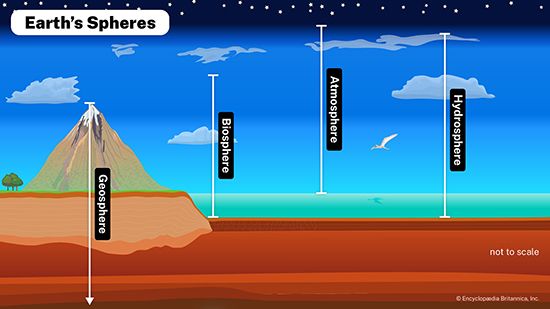
Tropical rainforests are vital to Earth's health, providing essential ecosystem services despite covering only 2 percent of the planet's surface. Their…
Why are rainforests so important?
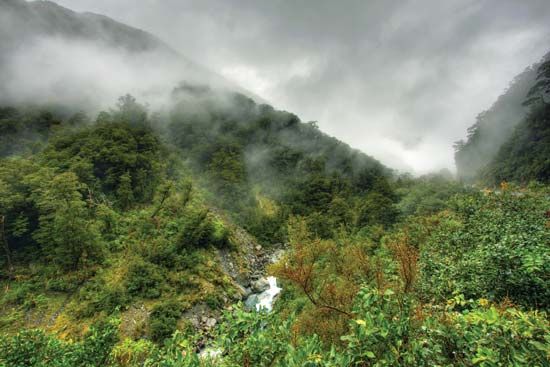
Tropical rainforests are vital to Earth’s health, providing essential ecosystem services despite covering only 2 percent of the planet’s surface. Their importance includes:1
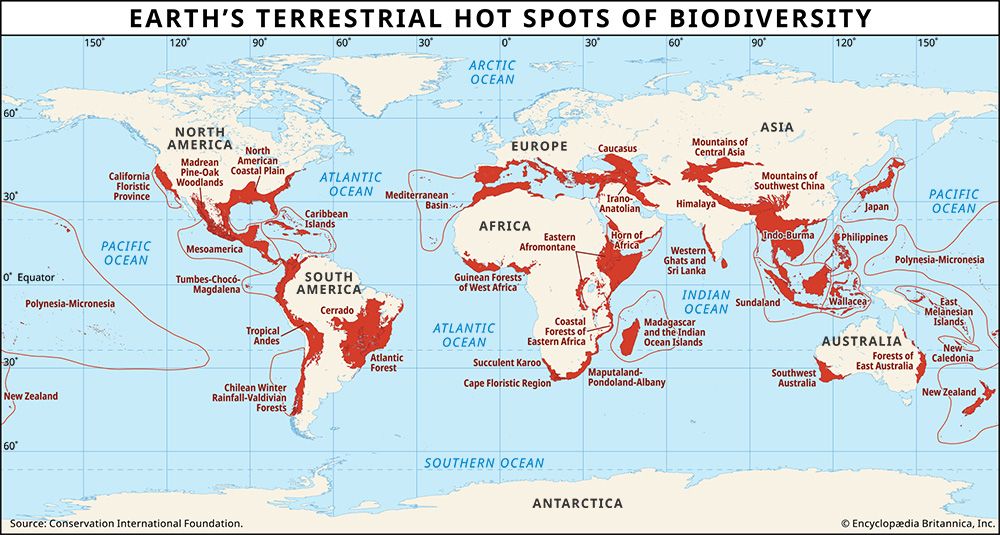
- Biodiversity: They are biodiversity hot spots, housing approximately two-thirds of Earth’s species, many of which remain undiscovered.1
- Climate Regulation: Rainforests are massive carbon reservoirs. By absorbing carbon dioxide, they act as a critical buffer against anthropogenic climate change.1
- Water Cycle: Through transpiration, these forests recycle moisture, generating significant rainfall that supports regional climates and prevents drought. They also provide flood control and water filtration.12
- Human Resources: They are a source of food, timber, and pharmaceuticals, with up to one-quarter of all prescription drugs derived from rainforest materials.1
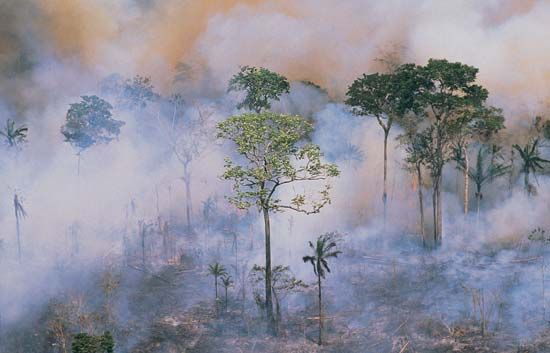
Protecting these ecosystems is a moral imperative, as their destruction leads to species extinction, soil erosion, and the release of stored carbon back into the atmosphere.1
How do rainforests help regulate the global water cycle?
Rainforests play a critical role in the hydrologic cycle by regulating the movement of water between the Earth’s surface and the atmosphere through several key mechanisms:
- Transpiration and Recycled Rainfall: Rainforests contribute significantly to local and regional precipitation through a process known as “recycled rainfall.” Plants absorb water through their roots and release it into the atmosphere as water vapour from their leaf surfaces via transpiration. In dense regions like the Amazon Basin, this transpired moisture can account for approximately half—and in some inland areas, even more—of the total local rainfall.342
- Interception and Evaporation: The complex, dense structure of the rainforest canopy intercepts a large portion of incoming precipitation. Much of this water is caught by foliage, bark, and epiphytes before it ever reaches the forest floor, where it then evaporates directly back into the atmosphere.5
- Soil Storage and Regulation: Forest soils act as sponges, regulating the flow of water. Deep forest soils have a high water-storage capacity, which helps ensure that water yields into streams and rivers are gradual and uniform, rather than rapid and flood-prone.3
By maintaining this continuous cycle of moisture, rainforests help prevent drought and stabilize regional climates. The loss of these forests disrupts this balance, potentially leading to significant changes in global energy and water distribution.32
What are some common medicines derived from rainforest plants?
Rainforests are a vital source of medicinal compounds, with as many as one-quarter of all modern prescription drugs derived from materials found within these ecosystems. Many of these substances were originally identified through the traditional knowledge of Indigenous peoples, who have utilized local flora for healing for generations.78
Some notable examples of medicines derived from rainforest or forest-dwelling plants include:
- Quinine: Originally extracted from the bark of a tree in the Andes, this was the primary treatment for malaria.18
- Cocaine: Purified from plants, this compound has been utilized in medical contexts for its anesthetic properties.78
- Taxol: An important anticancer drug originally isolated from the bark of the Pacific yew tree.18
While these examples highlight the historical and ongoing importance of natural products, researchers continue to investigate rainforest plants for new, lifesaving pharmaceuticals that may yet be discovered.78
Why is the Amazon Rainforest often called the lungs of the Earth?
The Amazon Rainforest is frequently referred to as the “lungs of the Earth” due to its role in terrestrial oxygen production and its significant exchange of gases between the biosphere and the atmosphere.101
However, this metaphor is often misunderstood. While it is a common belief that the Amazon is responsible for 20 percent of Earth’s oxygen, this is inaccurate. Although growing plants produce oxygen through photosynthesis, they also consume oxygen during decomposition and combustion. In a mature forest, the oxygen produced by living plants is largely offset by the oxygen consumed as plants die and decay, resulting in a net oxygen production near zero.10
In reality, the majority of Earth’s atmospheric oxygen is generated by marine algae in the oceans. While the Amazon may not function as a net oxygen “lung” for the planet, it remains vital for its role in carbon sequestration, biodiversity, and the regulation of regional water cycles.101
Sources
- Why are rainforests so important? — Encyclopædia Britannica
- Climate - Recycled rainfall — Encyclopædia Britannica
- forestry - Watershed management and erosion control — Encyclopædia Britannica
- Tropical rainforest - Environment — Encyclopædia Britannica
- Status of the world’s tropical forests - Global implications of deforestation — Encyclopædia Britannica
- Climate - Cloud formation — Encyclopædia Britannica
- Did you know? — Merriam-Webster
- Ethnobotany — Encyclopædia Britannica
- pharmaceutical industry - Lead compounds from natural products — Encyclopædia Britannica
- What Happens to Earth If the Amazon Rainforest Is Completely Burned? — Encyclopædia Britannica
Published on · 3 min read