Yamal Peninsula
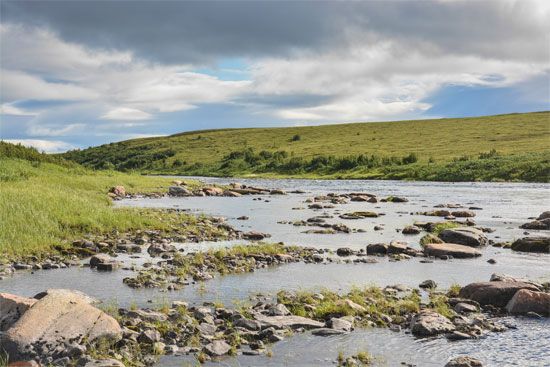
The Yamal Peninsula, located in northwestern Siberia, is of critical importance to Russia's energy sector due to its vast natural gas reserves.
What is the significance of the Yamal Peninsula for Russia’s natural gas industry?
The Yamal Peninsula, located in northwestern Siberia, is of critical importance to Russia’s energy sector due to its vast natural gas reserves.
The region contains extensive deposits both across the peninsula itself and in the adjacent offshore areas. By the early 21st century, Russia began the large-scale exploitation of these resources, marking the peninsula as a primary hub for the country’s natural gas production. This development is essential to Russia’s strategy for maintaining its position as a major global energy supplier, leveraging the region’s significant geological wealth to support its industrial and economic objectives.1
How do the indigenous Nenets people live and maintain their traditional lifestyle on the Yamal Peninsula?
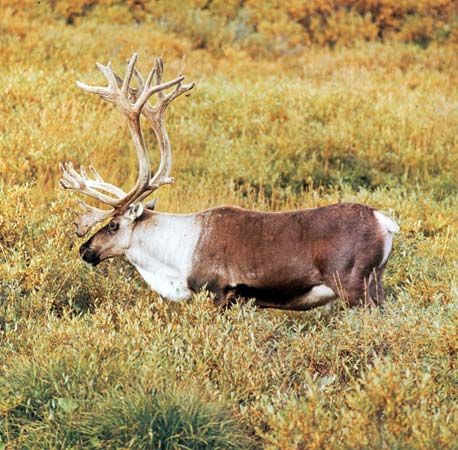
The Nenets people of the Yamal Peninsula maintain a traditional lifestyle primarily through nomadic reindeer pastoralism, a practice that remains central to their culture and economy.23
Traditional Livelihood
Reindeer breeding is the foundation of Nenets life, providing essential resources for survival. A single household typically requires a herd of 70 to 100 animals to be self-sufficient. The reindeer provide:2
- Food: Meat, lard, and blood are primary dietary staples.2
- Materials: Skins are used for clothing, footwear, and winter tents; leather is crafted into lassos and harnesses; tendons serve as thread; and horns are fashioned into various tools.2
Social Structure and Culture
Nenets society is organized through paternal descent, with clans claiming common ancestry and maintaining specific territories, burial grounds, and unique symbols. While the Soviet era introduced communal and collective production, reindeer herding has persisted as the primary activity. Their culture also includes a tradition of shamanism, with various classes of shamans recognized for their distinct abilities.2
Adaptation and Challenges
While many Nenets continue their traditional nomadic migration between the tundra and taiga, some groups have settled in permanent villages. Furthermore, the expansion of the natural gas industry in the region since the 1970s has significantly altered the landscape, though the Nenets continue to navigate these changes while preserving their ancestral connection to the land.134
What cultural practices and traditions are unique to the Nenets people of the Yamal Peninsula?
The Nenets people of the Yamal Peninsula possess a distinct culture deeply rooted in their environment and history. Their traditions are primarily defined by their adaptation to the Arctic landscape and their reliance on reindeer pastoralism.27
Key Cultural Practices and Traditions
- Nomadic Pastoralism: The Tundra Nenets are renowned for their large-scale reindeer herding, which involves seasonal migrations across the tundra. This lifestyle dictates their housing, as they live in conical tents covered with reindeer hides that are designed to be portable during their extensive travels.27
- Resource Utilization: Reindeer are central to their survival, providing meat, lard, and blood for sustenance. Their hides are essential for crafting clothing, footwear, and winter shelters, while other parts of the animal—such as tendons for thread and horns for tools—are fully utilized, reflecting a highly sustainable and self-sufficient way of life.2
- Social and Clan Structure: Nenets society is organized through patrilineal descent. Clans are significant, as they maintain specific territories, burial grounds, and unique symbols or signs. Traditionally, individuals marry outside of their own clan, reinforcing social bonds between different groups.2
- Spiritual Beliefs: Traditional Nenets spirituality is shamanistic. Shamans are viewed as mediators between the human world and the spirit realm, believed to be capable of traveling between layers of the cosmos to ensure the health and well-being of the community.7
- Language: As the largest group speaking a Samoyedic language, the Nenets maintain a strong ethnolinguistic identity, though they are divided into the Tundra and Forest groups, which differ in both dialect and specific cultural traditions.23
What was the mysterious crater discovered on the Yamal Peninsula in 2014, and what caused it?
The mysterious craters discovered on the Yamal Peninsula are the result of explosive releases of methane gas trapped beneath the surface. As the permafrost thaws due to warming climatic conditions, organic matter decomposes and gas pockets form within the ground.
When the pressure within these deep gas pockets builds up sufficiently, it can trigger an explosive release, forcefully ejecting rocks and soil—sometimes as far as 90 metres (300 feet)—and leaving behind large, distinct craters in the bedrock. This phenomenon is a direct consequence of the thawing of ice-rich permafrost, which is increasingly sensitive to rising surface temperatures and geothermal heat.10
Sources
- Yamal Peninsula — Encyclopædia Britannica
- Nenets — Encyclopædia Britannica
- Nenets — Encyclopædia Britannica
- Yamalo-Nenets — Encyclopædia Britannica
- reindeer — Encyclopædia Britannica
- Arctic - Peoples of Fennoscandia and northwestern Siberia — Encyclopædia Britannica
- Shamanism - Social role — Encyclopædia Britannica
- Arctic - Traditional culture — Encyclopædia Britannica
- Uralic languages - Samoyedic — Encyclopædia Britannica
- permafrost - Climatic change — Encyclopædia Britannica
- permafrost - Thermokarst formations — Encyclopædia Britannica
- permafrost - Agriculture — Encyclopædia Britannica
- Mars - Southern cratered highlands — Encyclopædia Britannica
Published on · 3 min read