Yarmūk River
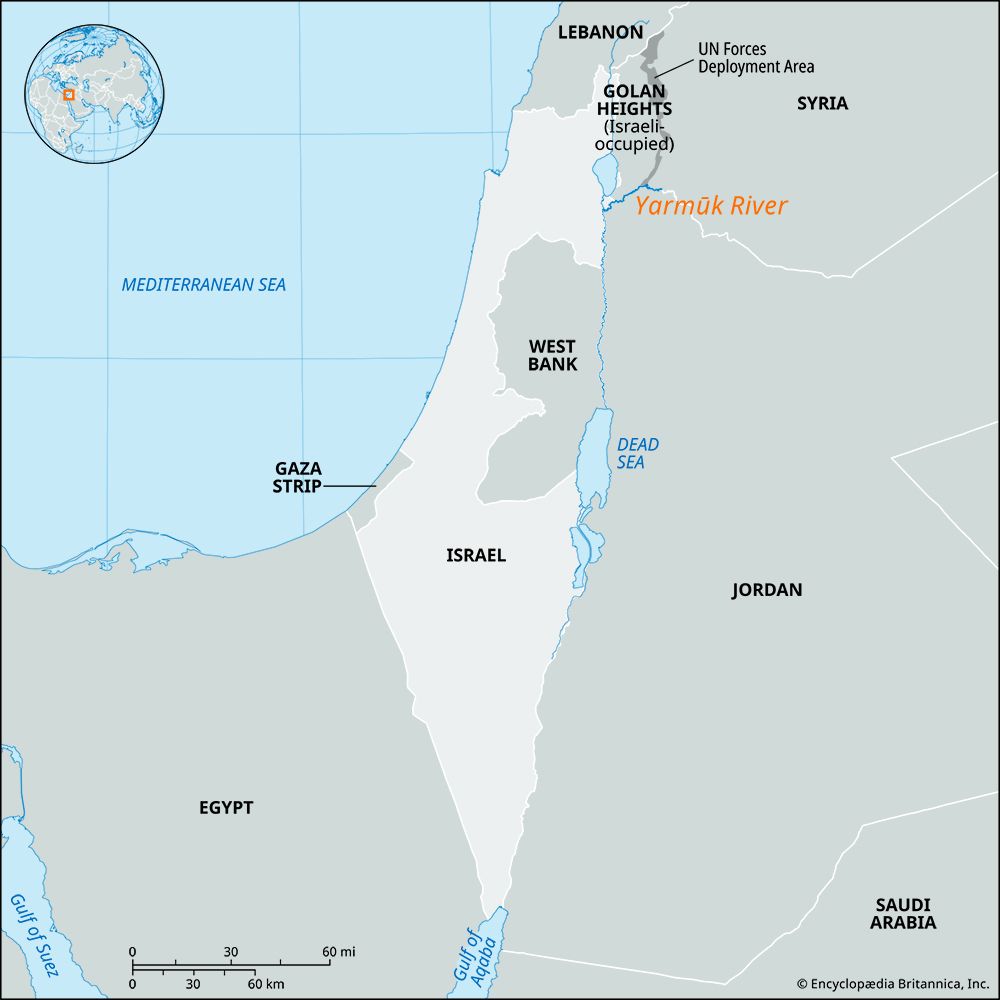
The Yarmūk River, a tributary of the Jordan River, is most historically significant as the site of the Battle of Yarmouk.
What historical events or battles have taken place near the Yarmūk River?
The Yarmūk River, a tributary of the Jordan River, is most historically significant as the site of the Battle of Yarmouk.
The Battle of Yarmouk (636 CE)
Fought over six days beginning on August 20, 636, this engagement was a pivotal conflict between the Byzantine Empire and the forces of the nascent Caliphate. Under the command of Khālid ibn al-Walīd, the Arab army united to confront a large, diverse Byzantine force assembled by Emperor Heraclius.
Khālid successfully drew the Byzantines into a large-scale pitched battle, taking advantage of the desertion of their Armenian and Christian Arab auxiliaries. The Byzantine defeat was decisive, effectively ending their rule in Syria and marking the beginning of Muslim dominance in the region of Palestine.12
Other Historical Context
While the 636 battle is the most prominent event, the river valley has been shaped by:
- The Crusades: Muslim control of the region was interrupted during the period of the Crusades (1099–1291).1
- Modern Conflicts: The area has been impacted by various Arab-Israeli wars, including the Six-Day War in 1967, which altered territorial boundaries along the river.1
What is the significance of the Yarmūk River in terms of water resources in the region?
The Yarmūk River is a vital water resource in the region, serving as a key tributary that historically provided a significant portion of the Jordan River’s flow3. Its importance is defined by its role in irrigation, power generation, and regional water management:
- Irrigation: The river is essential for agricultural development. The King Abdullah Canal (formerly the East Ghor Canal), completed in 1966, diverts water from the Yarmūk to irrigate the eastern Jordan River valley, enabling the cultivation of crops such as bananas, oranges, vegetables, and sugar beets in an otherwise arid landscape.13
- Hydroelectric Potential: The river formerly provided hydroelectric power for Jordan, though these economic developments were largely disrupted by successive Arab-Israeli wars and territorial disputes.1
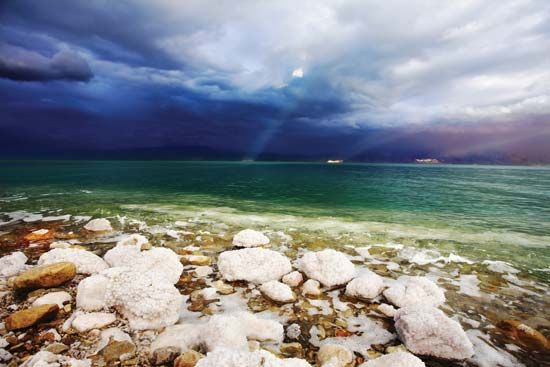
- Flow Dynamics: Historically, the inflow from the Yarmūk nearly doubled the volume of the Jordan River. However, this contribution has been significantly reduced due to the construction of dams upstream, which has impacted the overall water balance of the Jordan River system and contributed to the declining water levels of the Dead Sea.3
How does the Yarmūk River contribute to the ecology and biodiversity of the surrounding area?
The Yarmūk River basin is characterized by a warm, semiarid climate, which significantly influences the local ecology and biodiversity of the surrounding area.1
- Vegetation: The landscape is dominated by short grasses and drought-resistant scrub, which are well-adapted to the region’s limited rainfall, occurring primarily between October and March.1
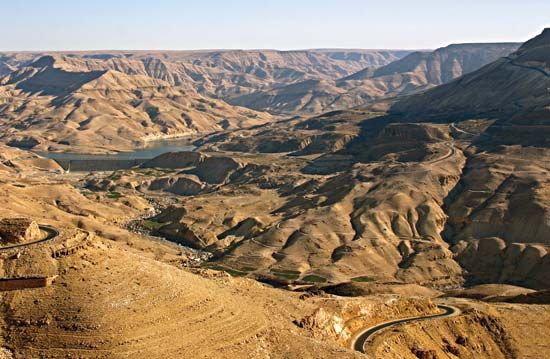
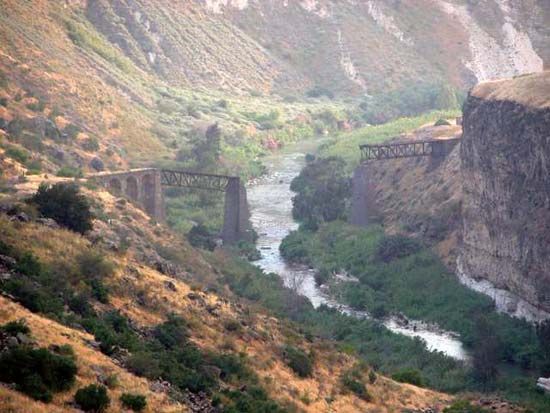
- Topography and Habitat: The river has carved a steep-walled gorge through resistant lava and soft, chalky limestone. This rugged terrain, along with the presence of hot springs, creates distinct micro-environments that support a variety of life forms.1
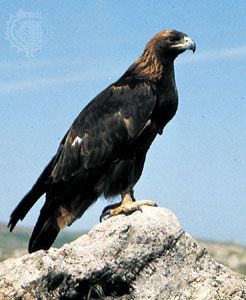
- Broader Regional Biodiversity: While the immediate river valley is semiarid, the broader region—including the gorges and nearby highlands—supports diverse wildlife. This includes mammals such as wild boars, ibex, gazelles, jackals, foxes, and wolves, as well as various reptiles like lizards, scorpions, and centipedes. The area also hosts bird species, including the golden eagle and vultures6.3
The river’s ecological balance has been significantly altered by human activity, particularly the construction of upstream dams, which has reduced the river’s flow and impacted the downstream water systems of the Jordan River and the Dead Sea.15
What are the main tributaries of the Yarmūk River and how do they contribute to its water volume?
The provided search results do not contain information regarding the specific tributaries of the Yarmūk River or their individual contributions to its water volume. The Yarmūk is described as a river that rises on a lava plateau in southwest Syria and flows southwestward to its confluence with the Jordan River, but the text does not detail its tributary system.1
Sources
- Yarmūk River — Encyclopædia Britannica
- Battle of Yarmouk — Encyclopædia Britannica
- Jordan River — Encyclopædia Britannica
- Syria - Drainage — Encyclopædia Britannica
- Jordan - Drainage — Encyclopædia Britannica
- Jordan - Plant and animal life — Encyclopædia Britannica
Published on · 3 min read