Dead Sea
The Dead Sea is the lowest body of water on Earth, with its surface level currently situated approximately 1,410 feet (430 meters) below sea level.
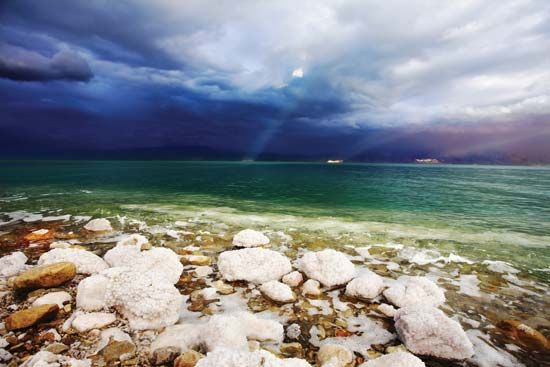
How deep is the Dead Sea, and how does its depth affect its properties?
The Dead Sea is the lowest body of water on Earth, with its surface level currently situated approximately 1,410 feet (430 meters) below sea level.1
Its depth significantly influences the lake’s salinity and stratification. Historically, the lake maintained two distinct water masses: a less saline upper layer and a deeper, highly saline layer saturated with sodium chloride and other minerals like magnesium, potassium, and bromine. This deep water was considered “fossilized” because its high density kept it permanently at the bottom.2
However, human-driven diversions of the Jordan River have caused the lake’s surface level to drop precipitously, altering these dynamics. Increased salinity in the upper layers has led to periodic “overturns,” where the water layers mix when the surface becomes cool and dense enough to sink. These extreme conditions, combined with the lake’s low elevation, create a unique environment that excludes most life forms, save for certain bacteria.132
Why is the Dead Sea called ‘dead,’ and what makes its water so salty?
The Dead Sea is called “dead” because its extreme salinity creates an environment that excludes almost all forms of life. Any fish carried into the lake by the Jordan River or smaller streams die quickly, and plant life along the shores is limited to specialized halophytes that can survive in salty or alkaline soil. The only organisms capable of thriving in these harsh conditions are certain types of bacteria.24
The water is exceptionally salty due to its unique hydrological and geological characteristics. The lake acts as a massive salt reserve, with high concentrations of minerals including magnesium, potassium, chlorine, and bromine. Historically, the lake maintained a stratified structure where deep water remained saturated with sodium chloride, which would precipitate to the bottom. While human-driven water diversion has altered these natural layers, the lake remains one of the most saline bodies of water on Earth.25
What is the Dead Sea and where is it located?
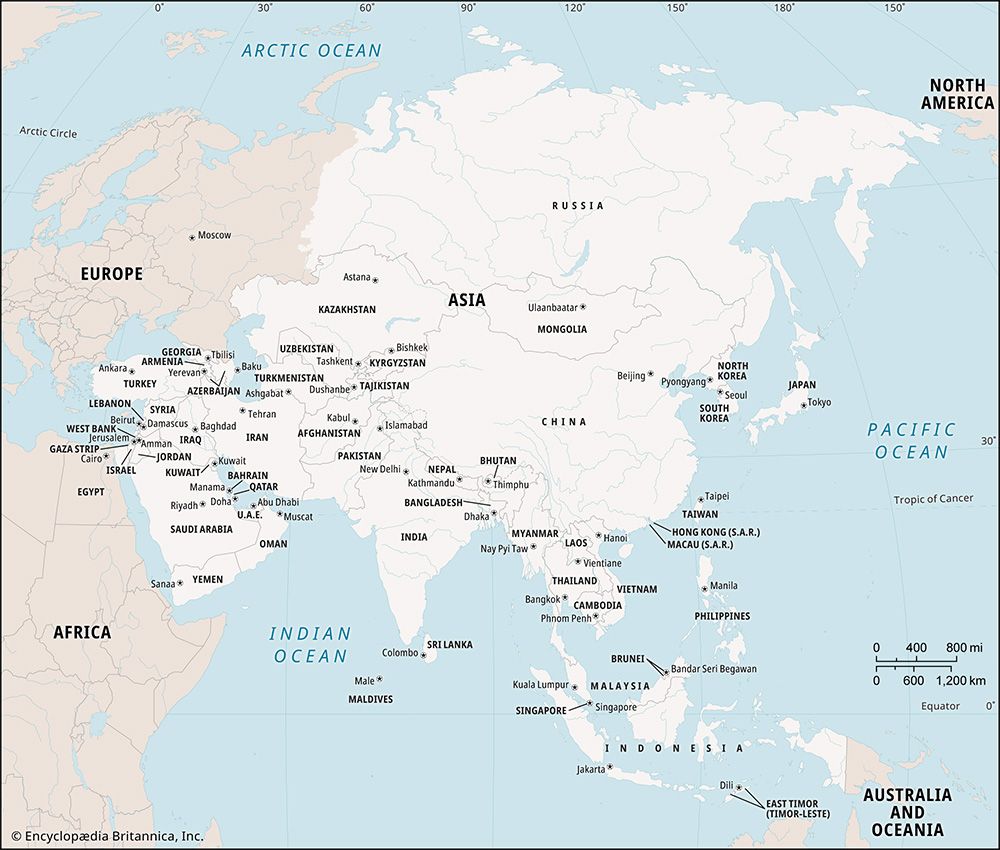
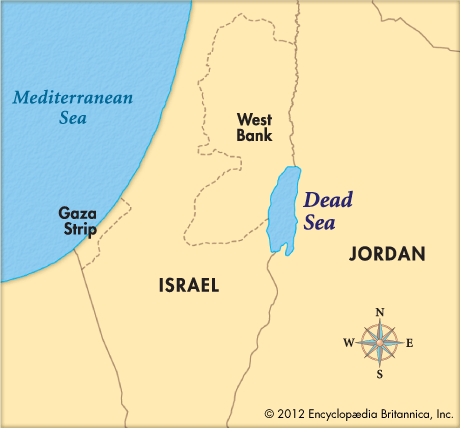
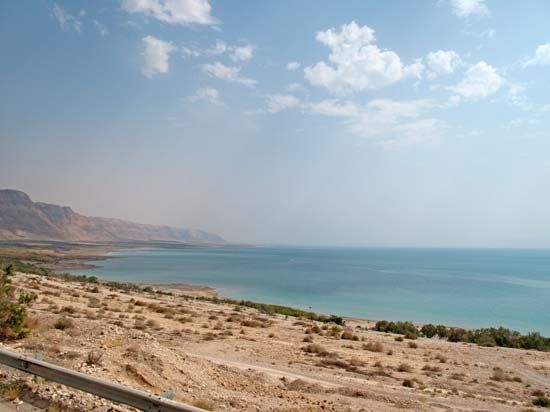
The Dead Sea is a landlocked salt lake located in southwestern Asia, situated between Israel and Jordan. It occupies a graben—a downfaulted block of the Earth’s crust—within the Jordan Valley, which is part of the East African Rift System.167
The lake is the lowest body of water on the surface of Earth. Its surface level has dropped significantly due to the diversion of the Jordan River, which provides nearly all of its water. By the mid-2010s, the surface was approximately 1,410 feet (430 meters) below sea level, and it continues to recede by about 3 feet (1 meter) annually.1
Geographically, the lake is bordered by the hills of Judaea to the west and the Transjordanian plateaus to the east. While it was once a single body of water, the falling water levels have separated the northern and southern basins, with the southern portion largely converted into commercial evaporation pools.6
What is the chemical composition of the Dead Sea’s water, and how does it compare to other bodies of water?
The water of the Dead Sea is characterized by extreme salinity, with concentrations reaching well above 300 parts per thousand in deeper layers. Its chemical composition is notably rich in magnesium, potassium, chlorine, and bromine, alongside high levels of sulfates and bicarbonates in upper layers. The deep water is saturated with sodium chloride, which precipitates to the lake floor.2
Compared to other bodies of water, the Dead Sea is distinguished by its exceptionally high mineral content and density, which provides significant buoyancy to bathers. While all saline lakes are defined by having salinities exceeding 3 grams per litre, the Dead Sea represents one of the most extreme examples on Earth. Unlike freshwater bodies, the Dead Sea’s high concentration of dissolved salts significantly reduces the solubility of oxygen and creates an environment that excludes almost all forms of life, save for certain bacteria. Furthermore, its chemical profile and density are highly sensitive to climatic shifts and human-driven water diversion, which continue to alter its stratification and overall salinity levels.2894
Sources
- Dead Sea — Encyclopædia Britannica
- Dead Sea - Salinity — Encyclopædia Britannica
- Dead Sea - Climate and hydrology — Encyclopædia Britannica
- Dead Sea - Human imprint — Encyclopædia Britannica
- Dead Sea: Top Questions — Encyclopædia Britannica
- Dead Sea - Physiography and geology — Encyclopædia Britannica
- Jordan Valley: Top Questions — Encyclopædia Britannica
- Inland water ecosystem - Saline lakes — Encyclopædia Britannica
- 6 Lakes That Are Drying Up - Dead Sea — Encyclopædia Britannica
Published on · 3 min read