Yodo River
The Yodo River is a significant waterway located in central western Honshu, Japan. It serves as the sole outlet for Lake Biwa, the country's largest…
What is Yodo River?
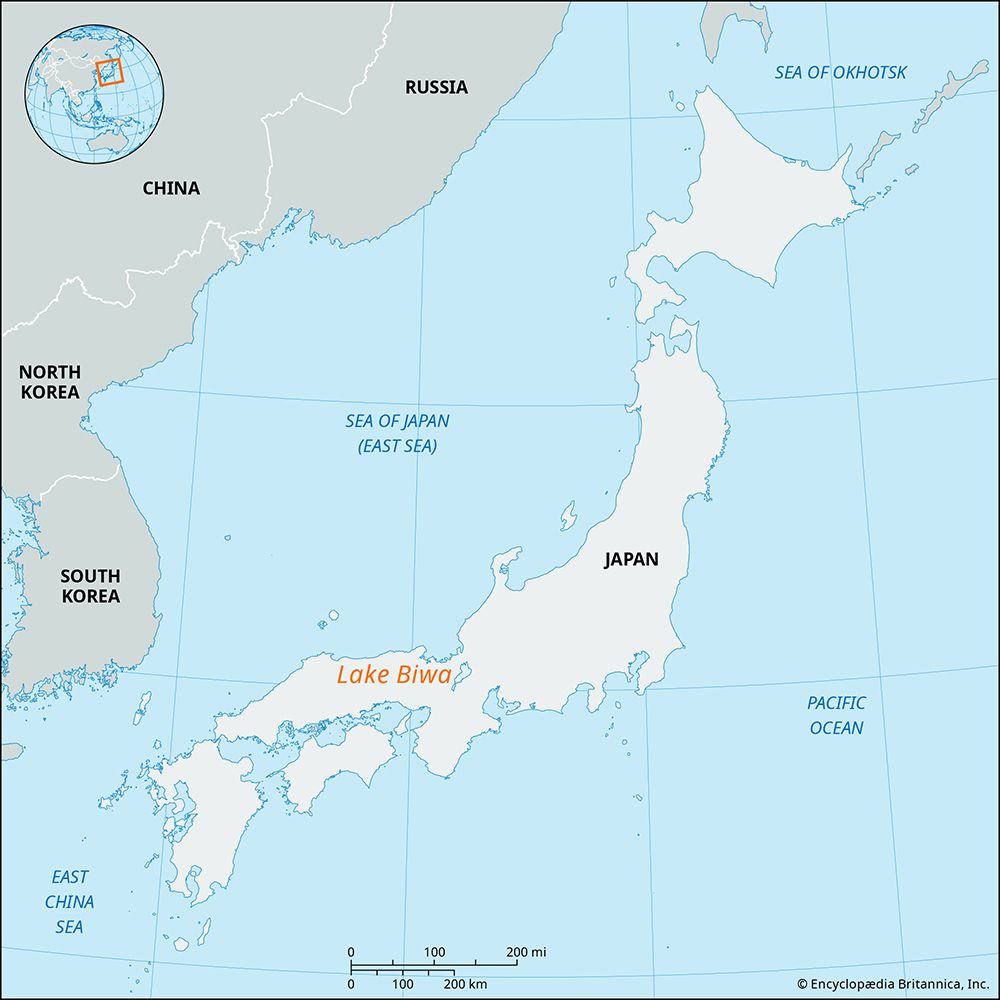
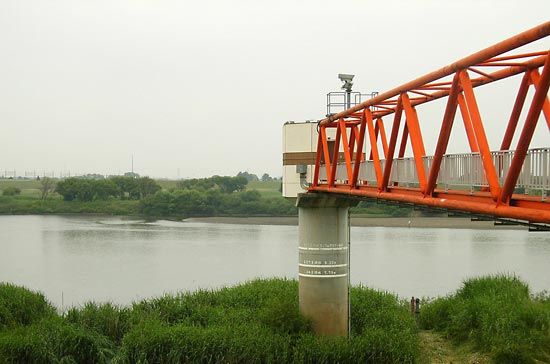
The Yodo River is a significant waterway located in central western Honshu, Japan. It serves as the sole outlet for Lake Biwa, the country’s largest freshwater lake, and flows in a southwesterly direction to empty into Osaka Bay.1
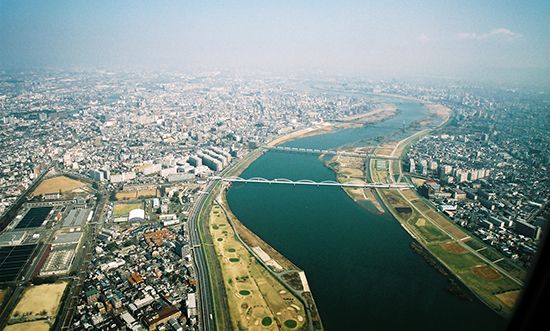
Historically, the river was a vital artery for transportation and communication during the Tokugawa period (1603–1867). Today, it plays a crucial role in the region’s infrastructure, as it is dammed to support irrigation and the generation of hydroelectricity. Geographically, the river connects the Kyoto Basin with the Osaka Plain, and the city of Osaka is situated directly on its delta. The river’s path is surrounded by various industrial and residential cities, including Hirakata, Neyagawa, Moriguchi, and Takatsuki.12
What is the significance of Lake Biwa to the Yodo River?
Lake Biwa is fundamentally significant to the Yodo River because it serves as the river’s sole source of water. Originating from the lake’s southern tip, the Yodo River acts as the primary drainage outlet for this vast freshwater body, which is the largest in Japan.13
This hydrological connection is vital for the region’s infrastructure and economy. By regulating the flow from the lake, the Yodo River system supports essential activities, including:
- Hydroelectric Power: The river is dammed to generate electricity for the surrounding areas.1
- Irrigation: The water is diverted to sustain agricultural needs in the Kyoto Basin and the Osaka Plain.1
- Industrial and Urban Support: The river serves as a critical resource for the Osaka-Kobe industrial region, building upon the economic development historically facilitated by the connection between the lake and the sea.13
How did the Yodo River influence trade during the Tokugawa period?
During the Tokugawa period (1603–1867), the Yodo River served as a vital artery for transportation and communication in central western Honshu, Japan. By connecting the Kyoto Basin with the Osaka Plain, the river facilitated the movement of goods and people between these two critical economic and political centers.1
The river’s role was bolstered by earlier infrastructure improvements, such as the reclamation of its delta, which allowed for the development of new settlements and ports that supported regional trade. While the Tōkaidō road served as the primary land route connecting the shogunate’s capital of Edo with western Honshu, the Yodo River provided an essential water-based network that complemented the land-based trade routes of the era. This combination of land and water connectivity was fundamental to the economic stability and integration of the region during the Tokugawa shogunate.415
What are some other major rivers in Japan?
Japan’s geography is defined by numerous short, swift-running rivers that are essential for irrigation, industry, and domestic water supply. Beyond the Yodo River, some of the most significant rivers in Japan include:6
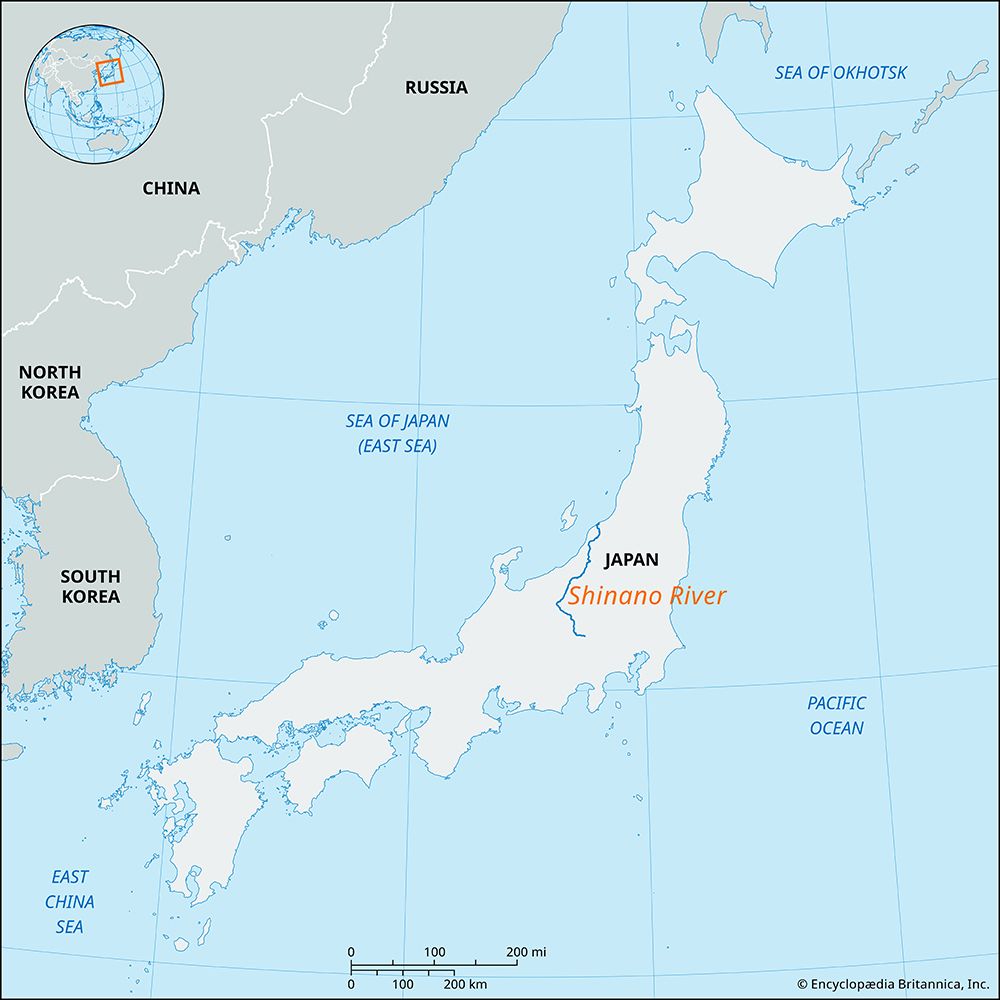
- Shinano River: As the longest river in Japan, it flows 228 miles (367 km) through Nagano and Niigata prefectures before entering the Sea of Japan. It has historically served as a vital inland waterway.76
- Tone River: A major river of the Kantō Plain, it is highly modified by human activity, including extensive diking and course diversions. It is a critical water source for the Keihin Industrial Zone and was once a primary transportation network.68
- Ishikari and Teshio Rivers: Located on the northern island of Hokkaido, these are among the most significant drainage systems in the country.6
- Kiso and Tenryū Rivers: These major rivers are located on the island of Honshu and are key components of Japan’s hydrological landscape.6
- Chikugo River: This is a prominent river system located on the island of Kyushu.6
Sources
- Yodo River — Encyclopædia Britannica
- Ōsaka-Kōbe metropolitan area - The city site — Encyclopædia Britannica
- Lake Biwa — Encyclopædia Britannica
- Tōkaidō — Encyclopædia Britannica
- Ōsaka-Kōbe metropolitan area - Ancient and medieval periods — Encyclopædia Britannica
- Shinano River — Encyclopædia Britannica
- Japan - Drainage — Encyclopædia Britannica
- Tone River — Encyclopædia Britannica
- Japan - Agriculture — Encyclopædia Britannica
Published on · 3 min read