Hokkaido
The Ainu are the indigenous people of Hokkaido, Sakhalin, and the Kuril Islands. Historically, they were a distinct hunting and gathering culture with…
What is the history of Hokkaido’s indigenous Ainu people?
The Ainu are the indigenous people of Hokkaido, Sakhalin, and the Kuril Islands. Historically, they were a distinct hunting and gathering culture with animist traditions, potentially descending from Japan’s prehistoric Jōmon culture.1
Japanese colonization began in the 1st millennium CE, leading to the loss of Ainu lands and forced resettlement. Following the Meiji Restoration in 1868, the Ainu faced systemic discrimination and forced assimilation. Japanese authorities used pseudoscientific racial discourse to justify this marginalization, including the derogatory labeling of the Ainu based on their physical appearance.1
In the 20th century, significant intermarriage occurred with ethnic Japanese. However, recent decades have seen a powerful cultural revitalization movement. In 1994, Kayano Shigeru became the first Ainu elected to the Japanese Diet, and in 2008, Japan officially recognized the Ainu as an indigenous people, correcting the discriminatory 1899 classification of them as “former Aborigines”.1
How does Hokkaido’s economy contribute to Japan’s overall economy?
Hokkaido plays a significant role in Japan’s economy, particularly through its contributions to agriculture, industry, and natural resources.
Agriculture and Livestock
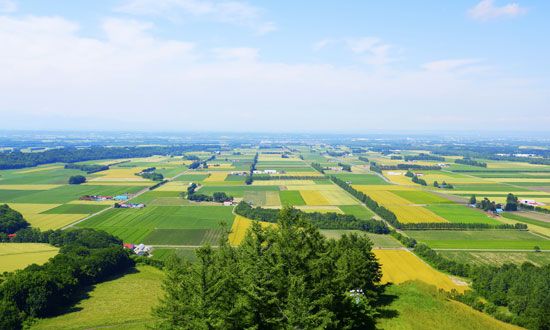
Unlike the small-scale, fragmented farms common elsewhere in Japan, Hokkaido is home to larger, more efficient agricultural operations, with farms of 25 acres (10 hectares) or more being fairly common. The island is a vital hub for:23
- Livestock: It maintains the largest dairy and beef cattle herds in the country2.23
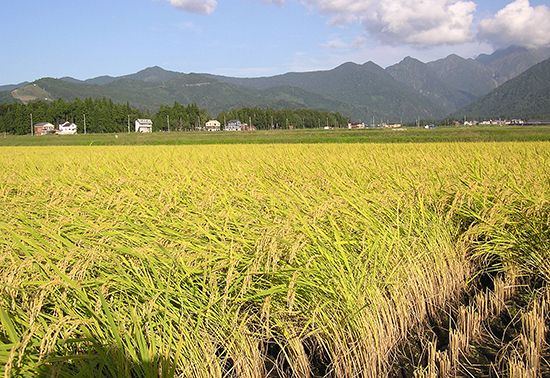
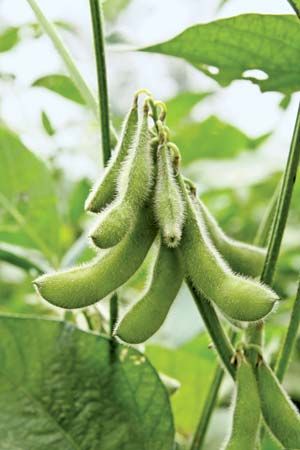
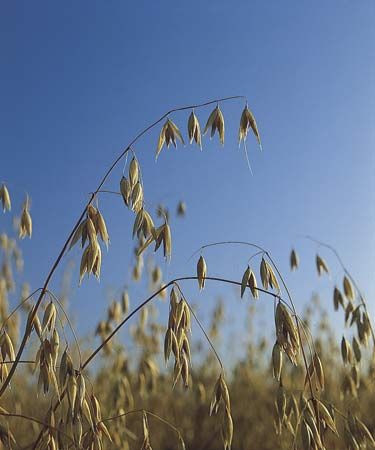
- Crops: Hokkaido produces a variety of essential crops, including rice, soy and kidney beans, oats, barley, hay, and white potatoes.423
Industry and Resources
Hokkaido’s industrial base includes iron, steel, wood pulp, and commercial fishing industries. Additionally, the island contains the largest coal deposits in Japan, and it remains the primary site for the country’s remaining coal extraction operations, though the industry has become a marginal part of the national economy.45
Connectivity between Hokkaido and the main island of Honshu is facilitated by the Seikan Tunnel, which supports the movement of goods and people.4
What are some popular winter sports and activities in Hokkaido?
Sorry, the Britannica knowledge base does not contain this information.
What is the geographical location and size of Hokkaido in relation to the rest of Japan?
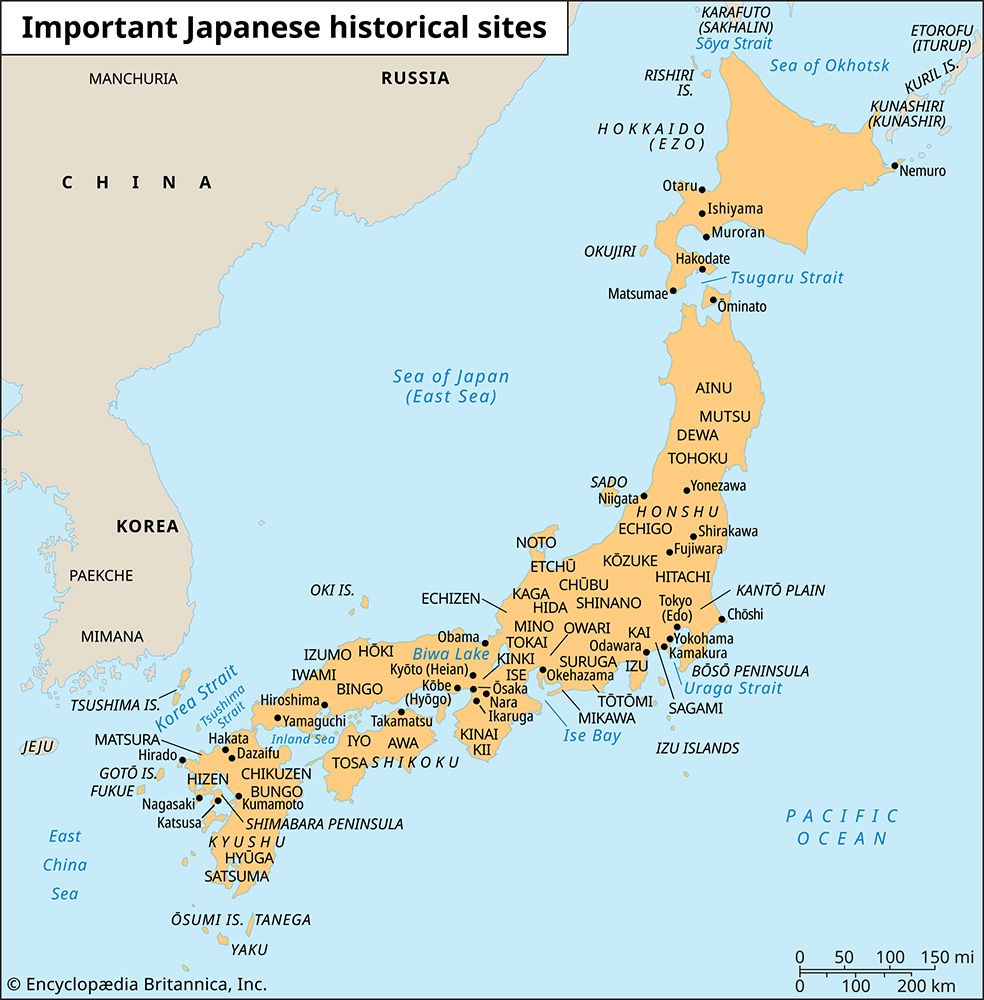
Hokkaido is the northernmost of the four main islands of Japan. It is bordered by the Sea of Japan to the west, the Sea of Okhotsk to the north, and the Pacific Ocean to the east and south.2
Regarding its size, the island of Hokkaido covers 30,107 square miles (77,978 square km), while the entire province—which includes a few small adjacent islands—spans 32,221 square miles (83,453 square km). This total area accounts for approximately one-fifth of Japan’s entire landmass. The island is connected to the main Japanese island of Honshu via the Seikan Tunnel, which runs beneath the Tsugaru Strait.2
Sources
- Ainu — Encyclopædia Britannica
- Hokkaido — Encyclopædia Britannica
- economy of Japan - Agriculture — Encyclopædia Britannica
- Japan - Agriculture — Encyclopædia Britannica
- Japan - Mining and quarrying — Encyclopædia Britannica
Published on · 2 min read