Shinano River
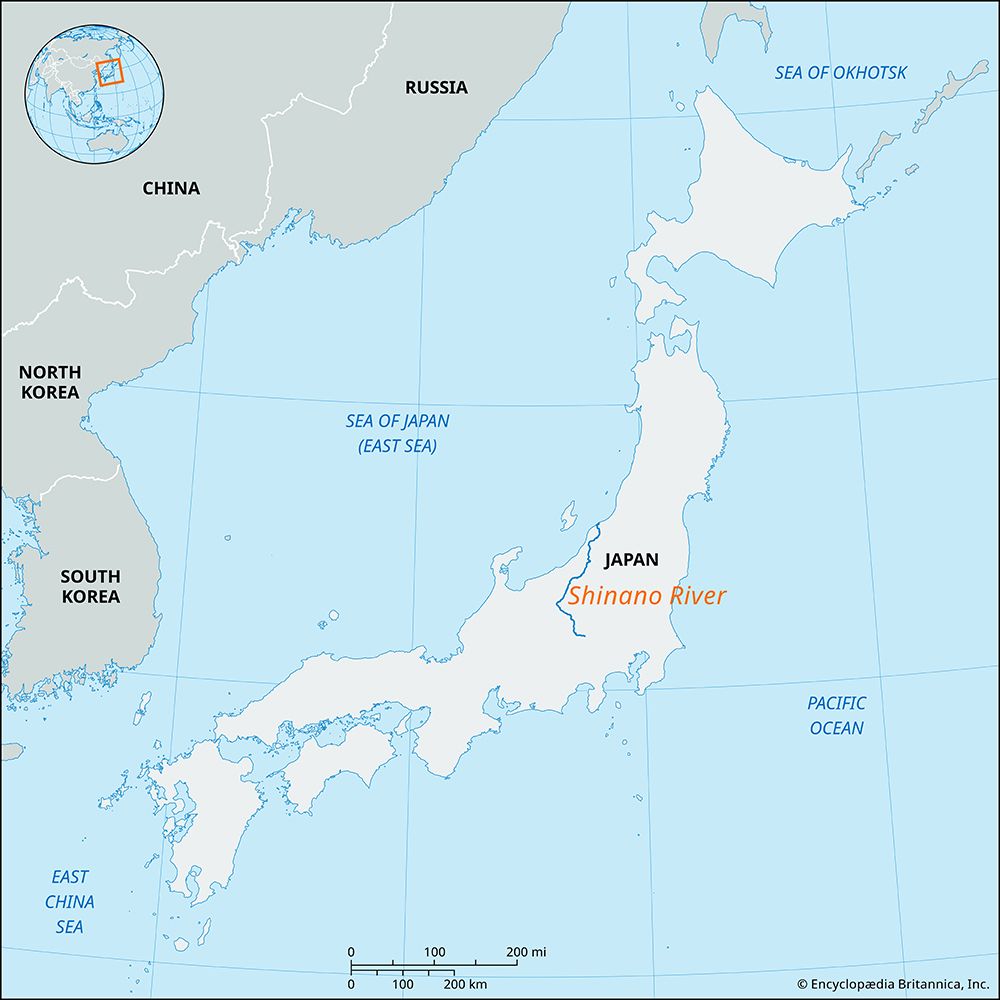
The Shinano River, the longest river in Japan, features a significant engineering project designed to manage its flow. To mitigate the frequent flooding that…
Are there any notable bridges or engineering projects associated with the Shinano River?
The Shinano River, the longest river in Japan, features a significant engineering project designed to manage its flow. To mitigate the frequent flooding that occurred in the river’s lower course during the spring thaw, a discharge canal was constructed at Okozu in 1923.1
While this project successfully addressed flooding, it also altered the river’s sediment transport. The resulting decrease in sand and silt delivery has left the river’s delta vulnerable to the sea, a situation further complicated by land subsidence caused by groundwater extraction for natural gas production.1
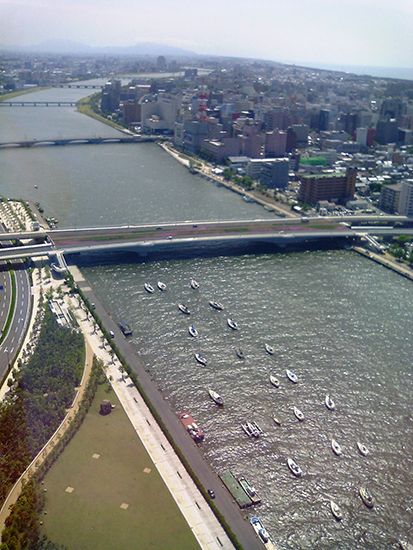
How has human activity, such as dam construction, affected the Shinano River’s ecosystem?
Human activity, particularly the construction of the Okozu discharge canal in 1923, has significantly altered the Shinano River ecosystem. While the canal was built to prevent flooding in the river’s lower reaches during the spring thaw, it fundamentally changed the river’s natural sediment transport processes.1
The reduction in the volume of sand and silt reaching the river’s delta has left the area increasingly vulnerable to the Sea of Japan. This environmental instability is further exacerbated by land subsidence, which is caused by the extraction of groundwater for natural gas production in the region. These combined human interventions have disrupted the natural deltaic environment, creating long-term challenges for the river’s coastal stability.1
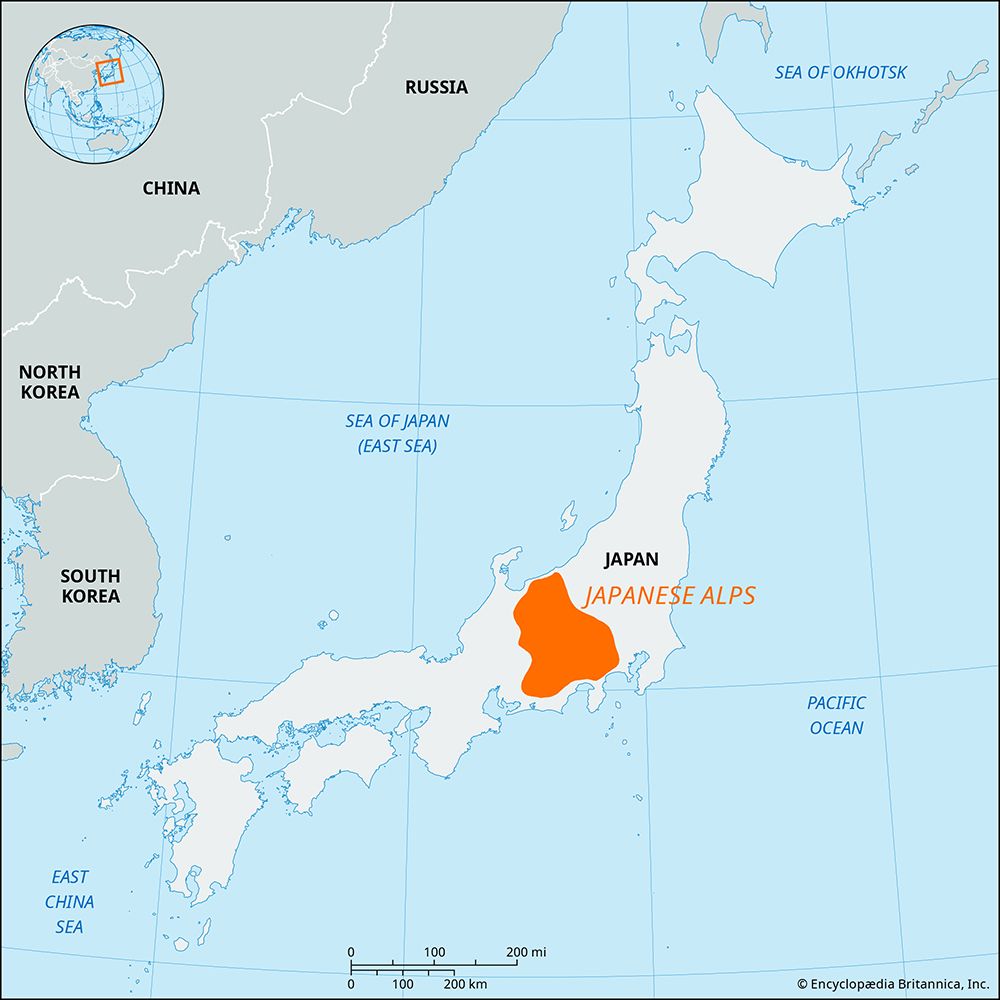
We could dive deeper into the broader environmental impact of dam construction on river ecosystems or explore the geography of the Japanese Alps where the river originates.
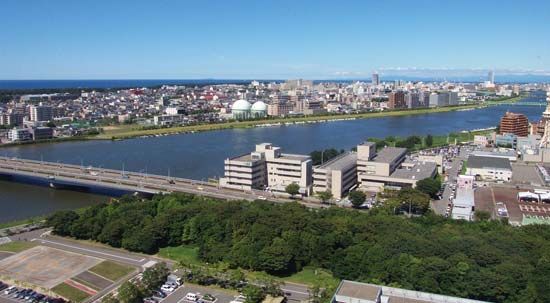
How does the Shinano River contribute to Japan’s economy, particularly in terms of agriculture and energy production?
The Shinano River plays a vital role in Japan’s economy, serving as a critical resource for both agriculture and energy production.
Agriculture
The river is essential to the productivity of the regions it traverses. Its tributaries, such as the Sai and Uono rivers, drain fertile intermontane basins that support significant populations. Furthermore, the silt deposited by the Shinano and Agano rivers has formed the Echigo Plain, a major agricultural lowland in Niigata prefecture. This area is one of Japan’s largest rice producers, generating substantial surpluses for urban markets.12
Energy Production
The Shinano River is a key site for hydroelectric development in central Honshu. Because Japan’s mountainous terrain creates ample hydroelectric potential, the river has been utilized for large-scale power plants that provide electricity to important industrial areas. This energy supply has been a catalyst for industrial growth in cities such as Niigata, Sanjō, and Kashiwazaki, supporting sectors like chemicals, metals, and machinery.342
How has the Shinano River been affected by natural disasters, and what measures have been taken for flood control?
The Shinano River has historically been prone to severe flooding, particularly during the spring thaw when melting snow from the Japanese Alps causes water levels to rise rapidly in its lower reaches. This natural phenomenon frequently threatened the surrounding low-lying areas of the Niigata Plain.1
To mitigate these flood risks, a major engineering project was completed in 1923 with the construction of the Okozu discharge canal. This canal was designed to divert excess water away from the river’s lower course, effectively protecting the region from seasonal inundation. However, this intervention has had unintended environmental consequences; by altering the river’s flow, the canal reduced the volume of sand and silt reaching the delta. This reduction in sediment has left the river’s mouth increasingly vulnerable to erosion from the Sea of Japan, a situation further complicated by land subsidence caused by groundwater extraction.1
Sources
- Shinano River — Encyclopædia Britannica
- economy of Japan - Power — Encyclopædia Britannica
- Japan - Power — Encyclopædia Britannica
- Niigata — Encyclopædia Britannica
- Japan - Drainage — Encyclopædia Britannica
Published on · 3 min read