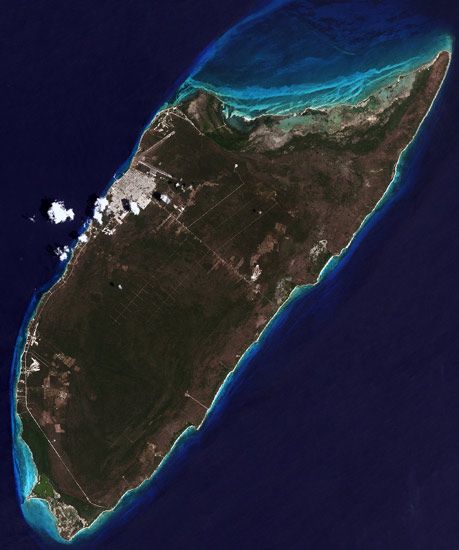
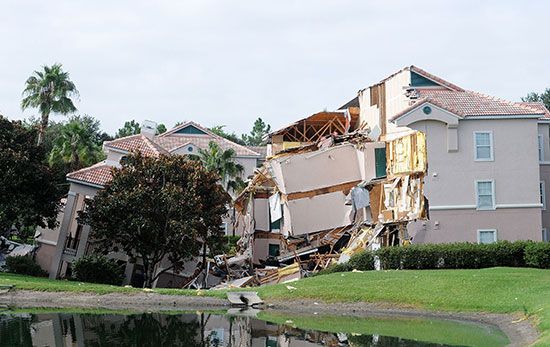
Yucatán Peninsula
The Spanish conquest of the Yucatán Peninsula, which began in 1527, had a profound and devastating impact on the Maya people. The following key factors…
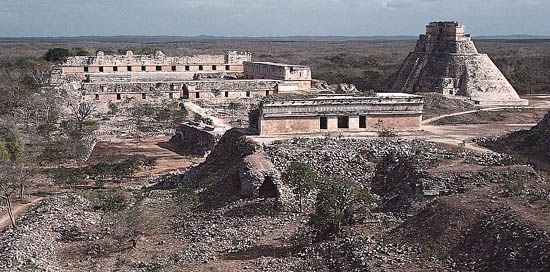
How did the Spanish conquest affect the indigenous people of the Yucatán Peninsula?
The Spanish conquest of the Yucatán Peninsula, which began in 1527, had a profound and devastating impact on the Maya people. The following key factors defined this period:
- Demographic Collapse: The introduction of European diseases and the social disruption caused by the conquest led to the annihilation of a large portion of the indigenous population throughout the 16th century.12
- Resistance and Autonomy: Unlike other regions, the Maya offered vigorous opposition to Spanish rule. Because the Spanish presence in the Yucatán was relatively small, the Yucatec Maya language and cultural evolution proceeded much more slowly than in central Mexico. Some groups, such as the Lacandón, successfully resisted pacification for the duration of the colonial period by retreating into remote jungle areas, while others maintained autonomy in northern Guatemala until 1697.3412
- Cultural Continuity: Despite the conquest, the Maya survived by retaining their local social units, language, and much of their cultural heritage. While many converted to Roman Catholicism, their religious practice often became an overlay where Christian figures were identified with traditional Maya deities.15
How has tourism impacted the economy and development of the Yucatán Peninsula?
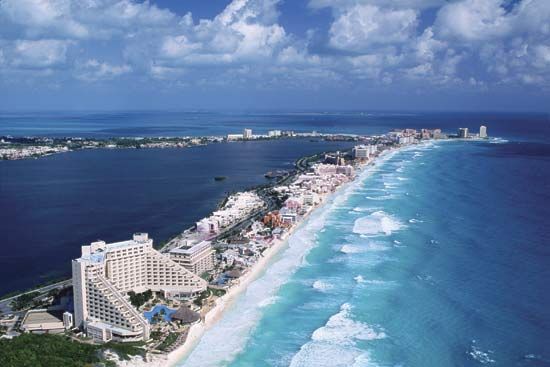
Tourism has become a primary economic driver for the Yucatán Peninsula, fundamentally reshaping its development and infrastructure.2
The growth of the industry, particularly since the 1960s, has been facilitated by the construction of extensive transportation networks, including major highways and international airports that link the region to global destinations. This development has spurred rapid population growth in previously sparsely settled areas, most notably in the state of Quintana Roo.267
Key impacts include:
- Economic Shift: In states like Quintana Roo, the economy has transitioned to rely almost entirely on the service sector, including hotels, restaurants, and entertainment.6
- Major Hubs: Cancún and Cozumel have emerged as world-renowned resort areas, with Cancún now attracting more international visitors annually than Mexico City.27
- Cultural Integration: The presence of significant Maya archaeological sites, such as Chichén Itzá, Uxmal, and Tulum, serves as a cornerstone for the region’s tourism appeal, integrating historical heritage into the modern economic landscape.27
How does the climate of the Yucatán Peninsula affect its agriculture and biodiversity?
The climate of the Yucatán Peninsula significantly dictates both its agricultural potential and its biological diversity.
Agricultural Impact
The peninsula’s climate is characterized by a hot and dry north with limited rainfall, transitioning to a wetter south that receives up to 80 inches (2,000 mm) of annual precipitation.2
- Crops: In the drier northern regions, agriculture has historically focused on crops like henequen, which is extracted from agave cactus. Across the peninsula, farmers cultivate corn (maize), sugarcane, tobacco, cotton, and coffee.28
- Techniques: Traditional farming, practiced by the Yucatec Maya, often utilizes slash-and-burn clearing and cultivation with simple tools like digging sticks and machetes.9
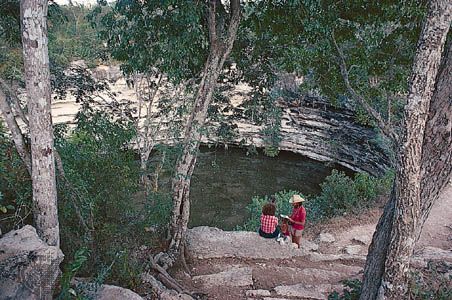
- Water Access: Because the porous limestone surface often lacks surface rivers, cenotes—natural sinkholes that expose groundwater—have served as vital water sources for both ancient and modern agriculture.248
Biodiversity
The variation in rainfall directly influences the region’s vegetation and animal life:
- Flora: The northern scrub forests give way to lush, tall forests in the south and in areas like [Belize] and western [Campeche]. These wetter regions support diverse timber and plant species, including mahogany, sapodilla, vanilla, and logwood.2
- Fauna: The peninsula hosts a variety of wildlife, including jaguars, deer, wild boars, monkeys, iguanas, and snakes. The region is also noted for its abundant bird life, such as parrots, quails, and turkeys.2
What modern-day countries does the Yucatán Peninsula encompass?
The Yucatán Peninsula encompasses territory within three modern-day countries:
- Mexico: The northern and central portions of the peninsula are comprised of the Mexican states of Campeche, Quintana Roo, and Yucatán.2
- Belize: Large parts of the southern region of the peninsula are located within the borders of Belize.2
- Guatemala: The southern reaches of the peninsula also extend into large parts of Guatemala.2
Sources
- Maya — Encyclopædia Britannica
- Yucatán Peninsula — Encyclopædia Britannica
- history of Latin America - Postconquest indigenous society — Encyclopædia Britannica
- Yucatán — Encyclopædia Britannica
- Central America - Decline of the Maya — Encyclopædia Britannica
- Quintana Roo — Encyclopædia Britannica
- Mexico - Services — Encyclopædia Britannica
- Cenote — Encyclopædia Britannica
- Yucatec Maya — Encyclopædia Britannica
- Belize - Land — Encyclopædia Britannica
Published on · 3 min read