Zion National Park
Zion National Park’s identity is deeply rooted in the legacies of both prehistoric Indigenous peoples and 19th-century Mormon pioneers.
How has human history, including Native American presence and early Mormon settlers, shaped Zion National Park?
Zion National Park’s identity is deeply rooted in the legacies of both prehistoric Indigenous peoples and 19th-century Mormon pioneers.
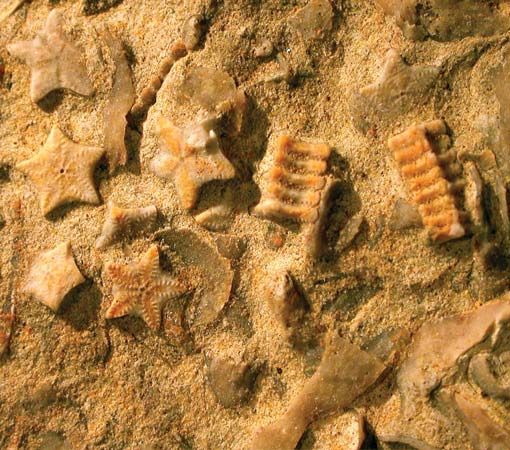
The park’s dramatic landscape contains a rich fossil record and archaeological evidence confirming that Ancestral Pueblo peoples and Pueblo Indians—including groups historically referred to as Basket Makers—inhabited the region long before European arrival.1
In the 1860s, Mormon settlers arrived in the area and are credited with naming the park’s principal feature, Zion Canyon. This naming reflects the broader religious mission of the Church of Jesus Christ of Latter-day Saints, which sought to establish “cities of Zion” as places of refuge. Following the migration led by Brigham Young to Utah in 1846, these settlers expanded into the region, permanently influencing the cultural and geographical nomenclature of the canyon. The area was eventually designated a national park in 1919, preserving the intersection of these diverse human histories.12
What is the significance of the name ‘Zion’ and how did the park get its name?
The name “Zion” carries profound religious and symbolic significance, originating as a designation for the eastern hill of ancient Jerusalem. In the Old Testament, the term evolved into a poetic and prophetic title for the city itself, representing the dwelling place of God and the seat of divine action in history. Over time, it became a symbol for the Jewish homeland, Judaism, and the concept of an ideal society or utopia.31
Zion National Park in southwestern Utah derives its name directly from this religious context. The park’s principal feature, Zion Canyon, was named by Mormon settlers who discovered the area in 1858 and began settling there in the early 1860s. For these pioneers, the name reflected their broader millennialist mission to establish “Zion”—the kingdom of God—as a place of refuge and peace in the American West.45
The area was later designated a national park in 1919, officially cementing the name that had been bestowed by those early settlers.4
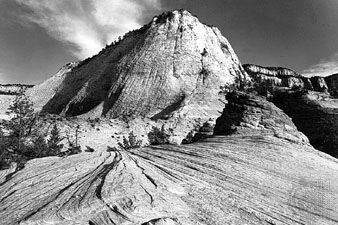
What are some of the most popular hiking trails and attractions in Zion National Park?
Zion National Park offers a variety of iconic natural attractions and scenic areas for visitors to explore. Within the main Zion Canyon, several notable sites highlight the park’s dramatic canyon landscape:
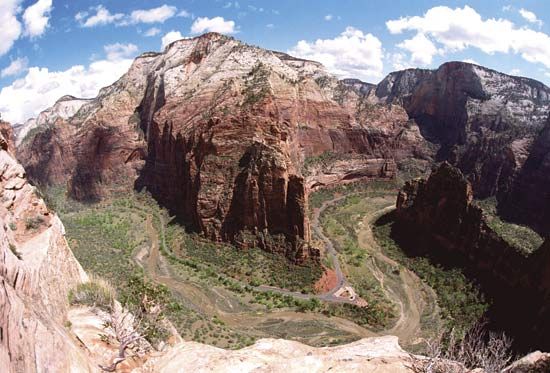
- The Great White Throne: A massive monolith that rises 2,394 feet above the canyon floor.
- Emerald Pools: A series of pools and waterfalls nestled against the canyon walls.
- Weeping Rock: A unique feature where water seeps through the rock layers, creating a constant “weeping” effect.
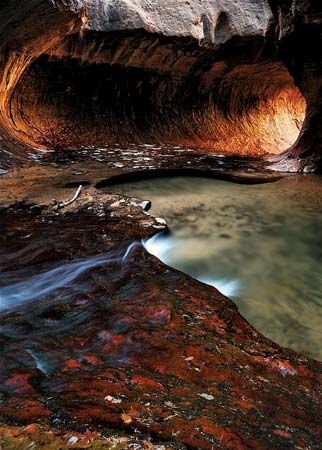
- Temple of Sinawava: A natural amphitheater that serves as a gateway to the narrows of the Virgin River.
- Kolob Arch: Located in the Kolob Canyons section of the park, this is one of the most significant natural arches in the area.
Hiking and horseback riding are the most popular ways to experience these features. Due to high visitation, the park utilizes a shuttle bus system from April through October to manage traffic on the main route through Zion Canyon.
What diverse flora and fauna can be found in Zion National Park?
Zion National Park supports a diverse range of flora and fauna, shaped by its varied elevations and semiarid environment.
Flora
The park is home to nearly 800 native plant species. The vegetation varies significantly based on the terrain:
- Canyon Floors: Along the riverbanks, you will find moisture-loving trees such as cottonwood, willow, and box elder.
- General Landscape: Much of the park is characterized by semiarid vegetation, including various types of cactus.
- Higher Elevations: As you move up to higher elevations, the landscape transitions to forests of juniper and pine.1
Fauna
The park’s wildlife is equally varied, ranging from large mammals to specialized endemic species:
- Mammals: Common sightings include mule deer and mountain lions. Bighorn sheep were successfully reintroduced to the park in 1973.
- Birds: The park provides habitat for raptors, including golden eagles and peregrine falcons.
- Endemic Species: The park is home to the Zion snail, a species found nowhere else in the world.1
Sources
- Zion National Park — Encyclopædia Britannica
- Joseph Smith — Encyclopædia Britannica
- Zion National Park — Merriam-Webster
- Church of Jesus Christ of Latter-day Saints - History — Encyclopædia Britannica
- Zion — Encyclopædia Britannica
- Zion — Merriam-Webster
Published on · 3 min read