6 Real-Life Man-Eating Animals
While humans are the planet's dominant species, we are occasionally vulnerable to large predators. Throughout history, several animals have gained notoriety…
What are 6 Real-Life Man-Eating Animals?
While humans are the planet’s dominant species, we are occasionally vulnerable to large predators. Throughout history, several animals have gained notoriety for preying on humans, often referred to as “man-eaters.” Here are six notable examples:
- Tsavo Man-Eaters: In 1898, two male lions terrorized workers building a railroad bridge in Kenya. While legends claimed they killed 140 people, historians estimate the actual death toll was closer to 35.1
- Champawat Tigress: In the early 1900s, this female tiger was responsible for more than 400 human deaths across Nepal and India.1
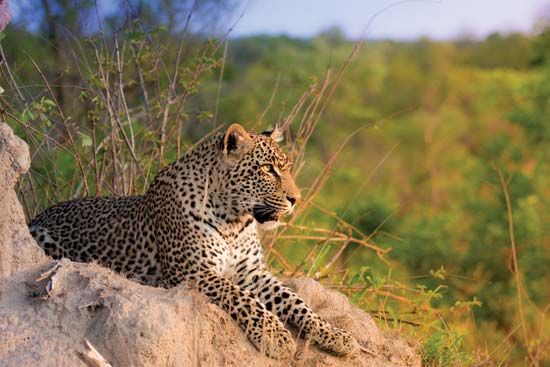
- Leopard of the Central Provinces: This leopard killed nearly 150 people, primarily women and children, in India during the early 20th century.1
- Sharks of the 1916 New Jersey Attacks: A series of shark attacks along the New Jersey coast resulted in four deaths. While a great white shark was killed by locals, it is now believed multiple sharks were involved.1
- Sloth Bear of Mysore: In 1957, a sloth bear killed 12 people and injured many more near Bengaluru, India.1
- Gustave the Crocodile: This massive Nile crocodile, estimated to be over 18 feet long, has been linked to more than 300 deaths in Burundi since the 1980s.1
Why do animals sometimes turn into man-eaters?
Animals typically avoid contact with humans, and the phenomenon of an animal becoming a “man-eater” is rarely a natural behavior. Instead, it is often a response to environmental pressures and human-driven changes to their ecosystems.
Key factors that may lead to such behavior include:
- Habitat Loss and Fragmentation: As human development—such as deforestation, agriculture, and urban expansion—destroys or fragments natural habitats, animals are deprived of their traditional living space and food sources. When these ecosystems can no longer support them, animals may be forced to migrate or struggle to find adequate prey, increasing the likelihood of encounters with humans.52
- Prey Depletion: In areas where natural prey populations have declined due to overexploitation or habitat degradation, predators may turn to alternative food sources, including livestock or, in extreme cases, humans, to survive.652
- Survival in Transformed Environments: Some species, such as gray wolves, have been observed surviving in areas where they must rely on livestock or human garbage when their natural food supply is insufficient.6
- Proximity to Human Settlements: Increased human encroachment into wild areas reduces the buffer between humans and wildlife, leading to more frequent interactions that can result in attacks.62
It is important to recognize that these incidents are often the result of ecological stress caused by human activities rather than an inherent predatory nature toward people.52
How do wildlife experts track and manage dangerous animals?
Wildlife experts manage dangerous animals and wildlife populations through a combination of habitat protection, legal frameworks, and resource management. Because the same animal may be viewed as a vital part of an ecosystem by a biologist, a threat by a local farmer, or a quarry by a hunter, management requires balancing these competing interests.10
Key strategies include:
- Habitat Management: Professionals work to protect or restore large habitats capable of supporting viable populations. This includes managing forest edges, using prescribed burning to maintain food and cover, and planting food crops to increase the carrying capacity of an area.1110
- Legal and Regulatory Control: Most countries utilize game laws to control the interaction between humans and wildlife. These laws mandate licenses for firearms, establish closed seasons to protect species during breeding, and set strict limits on the killing or capture of rare or dangerous animals.10
- Visitor and Resource Management: In areas where humans and wildlife overlap, managers use infrastructure like roads, campgrounds, and interpretive signage to concentrate human activity in specific zones, reducing the risk of conflict.10
- Population Monitoring: Experts rely on a deep understanding of a species’ life history to implement effective practices, ensuring that populations remain at levels that are ecologically sustainable and safe for surrounding communities.10
What are some ways people can stay safe when living near wild predators?
Living near wild predators requires proactive measures to minimize attractants and reduce the likelihood of dangerous encounters. While predators like gray wolves typically avoid contact with humans, they may be drawn to residential areas if natural food sources are scarce or if human-related food is easily accessible.
To stay safe and protect your property, consider the following practices:
- Secure Potential Food Sources: Predators are often attracted to human settlements by the availability of livestock, pets, and waste. Properly securing livestock in predator-proof enclosures and managing garbage effectively can prevent animals from becoming habituated to your property.5
- Maintain Awareness: Because some predators, such as wolves, are primarily nocturnal—especially in areas populated by humans—extra caution should be exercised during the night.5
- Understand Local Wildlife: Recognizing that predators may expand their range or alter their behavior based on prey availability helps in anticipating potential risks. In regions where livestock losses occur, many areas offer compensation programs or resources for owners to implement better protective measures.5
It is essential to respect the wild nature of these animals and prioritize safety through environmental management.
Sources
- 6 Real-Life Man-Eating Animals — Encyclopædia Britannica
- Why Do Some Animals Eat Their Mates After Sex? — Encyclopædia Britannica
- 9 of the World’s Deadliest Mammals - Tigers ( Panthera tigris ) — Encyclopædia Britannica
- What Is the Largest Bengal Tiger Ever Recorded? — Encyclopædia Britannica
- gray wolf - Predators and prey — Encyclopædia Britannica
- hunting - Origins — Encyclopædia Britannica
- biodiversity loss - Human-driven biodiversity loss — Encyclopædia Britannica
- animal disease - Role in human disease — Encyclopædia Britannica
- habitat loss — Encyclopædia Britannica
- conservation - Preventing the loss of biodiversity — Encyclopædia Britannica
- forestry - Recreation and wildlife — Encyclopædia Britannica
Published on · 4 min read