How Deadly Are Australia’s Animals?
Australia is widely recognized for hosting some of the world’s most venomous animals, including the inland taipan, box jellyfish, and stonefish. While the…
How Deadly Are Australia’s Animals?
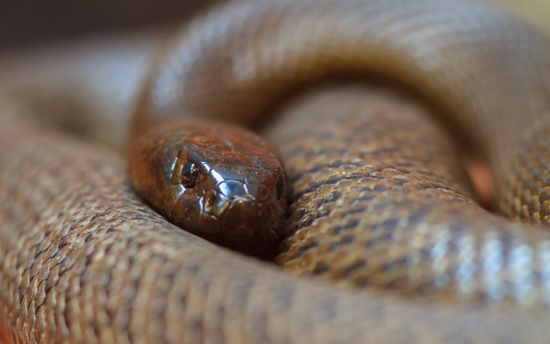
Australia is widely recognized for hosting some of the world’s most venomous animals, including the inland taipan, box jellyfish, and stonefish. While the continent is home to a high concentration of toxic species—particularly within the Elapidae snake family—the actual risk to humans is often overstated.1
Encounters with these animals are rare, and fatalities are even less common due to the widespread availability of effective antivenins. For instance, despite the Australian box jellyfish being considered the world’s most venomous jellyfish, deaths remain infrequent when proper medical care is accessed. Similarly, while sharks and cassowaries are perceived as dangerous, unprovoked attacks on humans are statistically uncommon.12
Ultimately, while Australia’s wildlife possesses a high capacity for harm, the danger is mitigated by human caution and modern medical intervention.1
How do scientists develop antivenins for such potent toxins?
Scientists develop antivenins by utilizing the immune systems of donor animals, most commonly horses, though sheep, oxen, and rabbits are also used.45
The process begins by injecting an animal with small, repeated doses of a specific venom or toxin. Over time, the animal’s immune system responds by producing high concentrations of specific antibodies designed to neutralize that poison. Once these antibodies have built up, the animal’s blood is collected, and the serum is processed to create a highly concentrated preparation known as an antiserum.46
The final product’s effectiveness depends on its specificity, antibody content, and the degree of purification. While specific antivenins are preferred for treating bites from particular species, some are effective against the venoms of several related snakes, such as the antivenin for the tiger snake. This medical intervention is critical, as it provides the body with the necessary tools to neutralize toxins before they cause systemic damage.56
What makes the Sydney funnel-web spider’s venom so uniquely dangerous to humans?
The Sydney funnel-web spider (Atrax robustus) is considered uniquely dangerous to humans primarily due to the specific composition of its venom, which contains potent neurotoxins that are highly effective against primates and other mammals.89
While many spiders possess venom intended to subdue small insects, the venom of the Sydney funnel-web spider contains protein components that specifically target the nervous systems of vertebrates. When a human is bitten, these toxins can lead to rapid and severe physiological reactions, including muscle spasms, tachycardia, nausea, and pulmonary edema.98
The danger is compounded by the spider’s aggressive nature when threatened. However, it is important to note that the risk of fatality has been significantly reduced since the development of an effective antivenom. This medical intervention works by neutralizing the main toxins in the venom, provided it is administered promptly after a bite occurs.8
How do Australian marine animals like the box jellyfish hunt their prey?
Australian box jellyfish are highly effective predators that rely on a combination of advanced sensory capabilities and specialized biological weaponry to hunt their prey, which includes fishes, worms, and various crustaceans.101
Unlike many other jellyfish that drift passively with ocean currents, box jellyfish are strong swimmers capable of actively pursuing their prey. They utilize 24 eyes arranged in clusters around their bell to navigate their environment, sense obstacles, and locate prey. Some species have been observed using visual cues—such as the canopy of a mangrove forest—to swim toward areas where prey, like copepods, are known to gather.101
Once they reach their target, box jellyfish capture prey by touching them with their long, trailing tentacles. These tentacles are equipped with nematocysts—specialized capsules containing tiny, barbed, poison-filled hooks. Upon contact, these nematocysts are fired into the victim, injecting a potent venom that quickly subdues the prey, allowing the jellyfish to consume it.101
Sources
- How Deadly Are Australia’s Animals? — Encyclopædia Britannica
- What is the most venomous jellyfish? — Encyclopædia Britannica
- 9 of the World’s Deadliest Snakes — Encyclopædia Britannica
- antiserum — Encyclopædia Britannica
- antitoxin — Encyclopædia Britannica
- snakebite — Encyclopædia Britannica
- antivenin — Merriam-Webster
- Australian funnel-web spider — Encyclopædia Britannica
- spider - Venom — Encyclopædia Britannica
- box jellyfish — Encyclopædia Britannica
- chondrichthyan - Danger to human life — Encyclopædia Britannica
Published on · 3 min read