7 of the World’s Most Poisonous Mushrooms
While there are 70–80 species of poisonous mushrooms, only a few are lethal. Many of these are dangerous because they closely resemble edible varieties. Here…
What are 7 of the World’s Most Poisonous Mushrooms?
While there are 70–80 species of poisonous mushrooms, only a few are lethal. Many of these are dangerous because they closely resemble edible varieties. Here are seven of the world’s most poisonous mushrooms:12
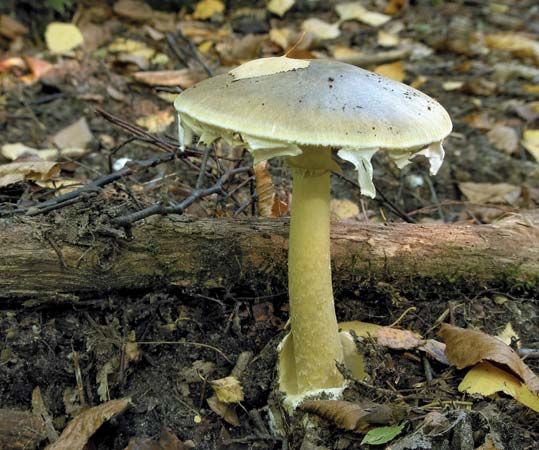
- Death Cap (Amanita phalloides): Often considered the deadliest mushroom, it contains heat-stable amatoxins that cause rapid liver and kidney failure.13
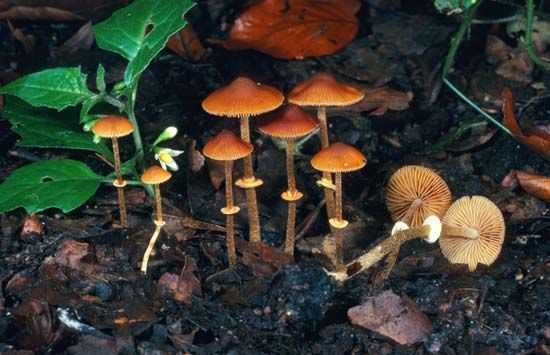
- Conocybe filaris: An innocent-looking lawn mushroom that contains the same deadly amatoxins as the death cap.1
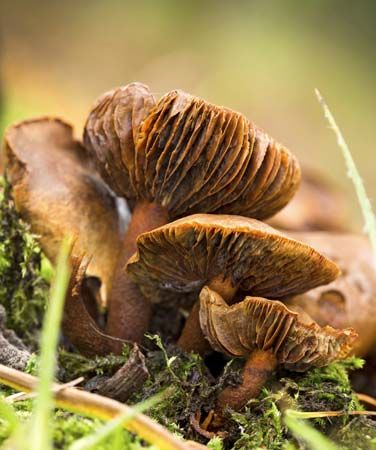
- Webcaps (Cortinarius species): These contain orellanin, a toxin with a long latency period that can cause kidney failure weeks after ingestion.1
- Autumn Skullcap (Galerina marginata): A wood-rotting mushroom containing amatoxins; it is sometimes mistaken for hallucinogenic species.1
- Destroying Angels (Amanita species): A group of all-white mushrooms that are highly toxic and frequently mistaken for edible button mushrooms.1
- Podostroma cornu-damae: A rare, toxic fungus native to Asia that can cause multiple organ failure and death.1
- Deadly Dapperling (Lepiota brunneoincarnata): A gilled mushroom containing amatoxins that can cause severe, potentially lethal liver toxicity.1
How do scientists distinguish between edible and poisonous mushrooms?
There is no single rule or test method that can reliably distinguish between edible and poisonous mushrooms. Because many of the most toxic species closely resemble prized edible varieties, relying on simple “rules of thumb” is dangerous and can lead to fatal mushroom poisoning.3
To ensure safety, scientists and experts emphasize the following:
- Expert Identification: Wild mushrooms should only be consumed if they have been positively identified by an experienced person or a competent authority.35
- Cultivated Species: The safest procedure is to eat only cultivated mushrooms, as these are grown in controlled environments and are not subject to the identification risks associated with wild foraging.3
- Complexity of Toxicity: Toxicity can vary significantly within a single wild species based on geographical location or ecological conditions. Furthermore, while some mushrooms may be rendered safe through specific preparation methods like cooking or drying, others remain toxic regardless of how they are processed.3
Because the chemical and biological properties of mushroom toxins vary widely from species to species, there is no universal indicator of safety.3
What role do mycorrhizal fungi play in forest ecosystems?
Mycorrhizal fungi play a vital role in forest ecosystems by forming a mutualistic symbiotic relationship with the roots of approximately 90 percent of land plants. This association is essential for the health and survival of many tree species, which often cannot flourish without their fungal partners.67
The primary functions of these fungi include:
- Nutrient Exchange: The fungi extend into the soil to absorb essential mineral nutrients, particularly phosphorus and nitrogen, which they supply to the host plant. In return, the plant provides the fungi with carbohydrates produced through photosynthesis/science/carbohydrate) produced through photosynthesis.76
- Underground Networks: In many forests, mycorrhizal fungi create extensive mycelial networks that physically connect trees and seedlings. These networks allow for the exchange of nutrients and chemical signals between plants, effectively linking the forest community.6
- Support During Stress: During periods of low light, such as winter, these fungi can sustain their host plants by providing stored nutrients and sugars absorbed from the soil.6
There are two main types of these associations: ectomycorrhizae, where the fungus forms a mantle around the root, and endomycorrhizae, where the fungus penetrates the root cells.76
Are there any medicinal uses for fungi that contain toxins?
Yes, certain fungi that contain toxins or are associated with toxic processes have significant medicinal applications. While these organisms can be dangerous if ingested improperly, scientists have successfully isolated specific compounds from them to treat various human health conditions.94
Notable examples include:
- Ergot (Claviceps purpurea): This fungus, which grows on grasses like rye, produces a complex of toxic alkaloids. Despite its toxicity, these chemicals are used in medical practice to induce labor in pregnant women and to control hemorrhaging after childbirth.94
- Statins: Certain fungal species contain chemicals that are extracted and processed to create statins. These drugs are essential for controlling cholesterol levels and reducing the risk of coronary heart disease.9
- Psychedelic Research: The fungus Psilocybe mexicana contains the compounds psilocybin and psilocin. While these are classified as hallucinogens, they are currently the subject of scientific study for their potential therapeutic roles in mental health.4
It is important to note that the medical use of these substances involves highly controlled extraction and pharmaceutical refinement. Attempting to consume toxic fungi for medicinal purposes is extremely dangerous and can lead to severe illness or death.934
Sources
- 7 of the World’s Most Poisonous Mushrooms — Encyclopædia Britannica
- death cap — Encyclopædia Britannica
- poison - Mycotoxins — Encyclopædia Britannica
- Mushroom poisoning — Encyclopædia Britannica
- fungus - Evolution and phylogeny of fungi — Encyclopædia Britannica
- mycorrhiza — Encyclopædia Britannica
- mycoheterotroph — Encyclopædia Britannica
- fungus - Mycorrhiza — Encyclopædia Britannica
- fungus - Importance of fungi — Encyclopædia Britannica
- antifungal drug — Encyclopædia Britannica
Published on · 4 min read