Okapi
The okapi (Okapia johnstoni) is currently classified as an endangered species by the IUCN Red List of Threatened Species. Ecologists estimate that fewer than…
What is the conservation status of okapis, and what threats do they face in the wild?
The okapi (Okapia johnstoni) is currently classified as an endangered species by the IUCN Red List of Threatened Species. Ecologists estimate that fewer than 4,500 individuals remain in the wild, with populations experiencing a decline of more than 40 percent between 1995 and 2007.1
Okapis face several significant threats to their survival:
- Habitat Loss: They are vulnerable to large-scale, intensive disturbances such as logging and human settlement, which reduce their required rainforest habitat.1
- Hunting: The species is hunted for its meat and skins. Populations have declined sharply in areas where hunters utilize cable snares.1
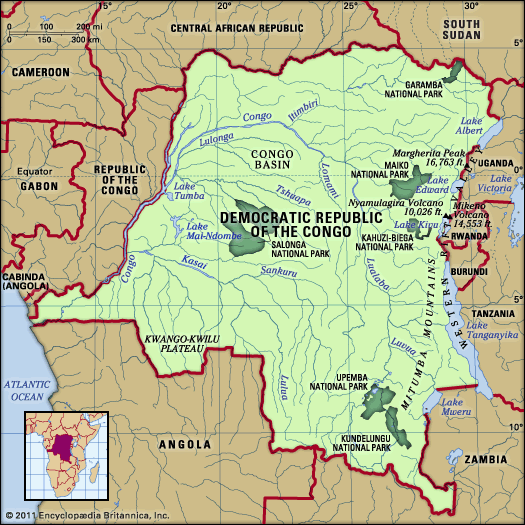
- Civil Instability: Conservation efforts, such as those within the Okapi Wildlife Reserve, have been severely disrupted by civil strife in the region, which also facilitates poaching and habitat destruction.2
Protecting these unique animals is essential for maintaining the biodiversity of the Ituri Forest. Would you like to explore more about the conservation initiatives currently in place to protect the Ituri Forest?12
How is the okapi related to other animals, particularly giraffes?
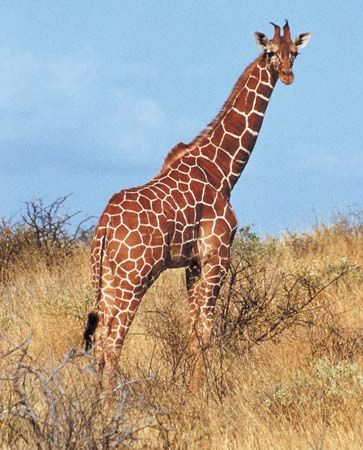
The okapi (Okapia johnstoni) and the giraffe are the only two living members of the family Giraffidae. This family belongs to the order Artiodactyla (cloven-hoofed ungulates), a group that also includes cattle, antelope, and deer.134
While they share a common lineage, the two animals have evolved distinct physical characteristics:
- Shared Traits: Both species are cud-chewing mammals that lack a gallbladder and possess prehensile tongues used for browsing foliage.134
- Evolutionary Divergence: The family Giraffidae branched off from other artiodactyls approximately 34 million years ago.3
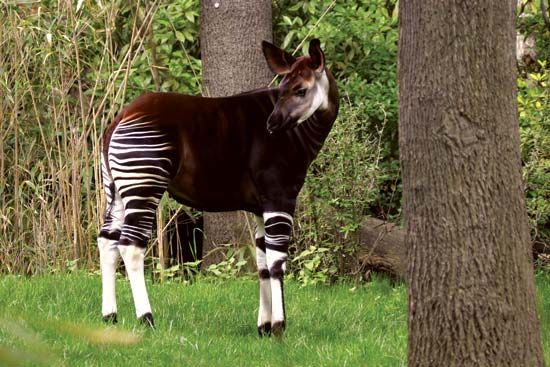
- Physical Differences: Unlike the giraffe, which is known for its extreme height and long neck, the okapi is a more compact, rainforest-dwelling animal with a shorter neck and legs. The okapi’s coat is also distinct, featuring a deep brown, almost purple body with horizontal black-and-white stripes on its legs, whereas giraffes are characterized by irregular brown patches on a lighter background.134
What are the unique physical characteristics of an okapi?
The okapi (Okapia johnstoni) possesses several distinct physical characteristics that distinguish it as a unique member of the family Giraffidae:
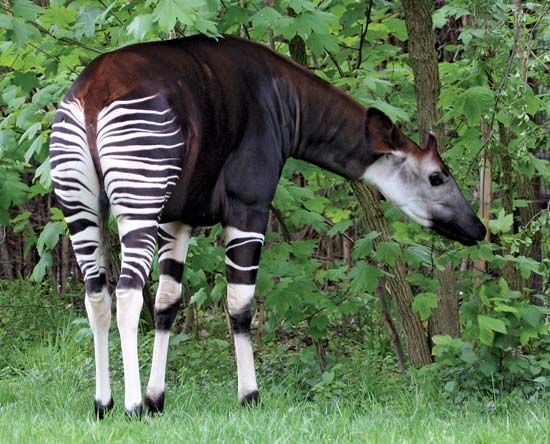
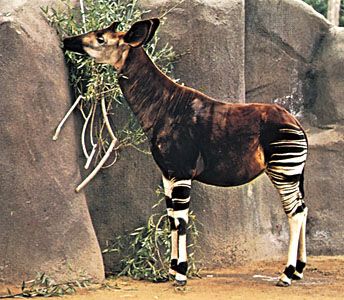
- Coat and Markings: The okapi has a sleek, deep brown coat that can appear almost purple. Its face is pale white, while the forehead and ears often display a dull reddish cast. A defining feature is the horizontal black-and-white striping on its buttocks, thighs, and the tops of its forelegs, while the lower legs are white with black rings above the hooves.1
- Body Structure: Compared to its relative the giraffe, the okapi has a shorter neck and shorter legs. Adult males typically stand about 1.5 metres (5 feet) at the shoulder and weigh 200–300 kg (440–660 pounds), with females being slightly taller and heavier.1
- Head and Sensory Features: Both sexes have large eyes and ears. They possess a long, prehensile tongue used for stripping leaves from branches. Males have short, skin-covered horns, while females typically lack horns, often displaying knobby bumps in their place.1
How was the okapi discovered by Western science, and when?
The okapi remained unknown to Western science until the turn of the 20th century. While the British American explorer Sir Henry Morton Stanley provided the first report of the animal as early as 1890, it was not formally introduced to the scientific community until 1901. In that year, the British explorer Sir Harry Hamilton Johnston sent the first specimens of the okapi’s hide to the British Museum, confirming its existence to the Western world.1
Sources
- okapi — Encyclopædia Britannica
- Ituri Forest - Plant and animal life — Encyclopædia Britannica
- giraffe — Encyclopædia Britannica
- artiodactyl - Annotated classification — Encyclopædia Britannica
- okapi — Merriam-Webster
Published on · 3 min read