Abalone
An abalone is a marine snail belonging to the genus Haliotis and the family Haliotidae. These mollusks are characterized by a dishlike, ear-shaped shell…
What is an abalone and where can they be found in the world?
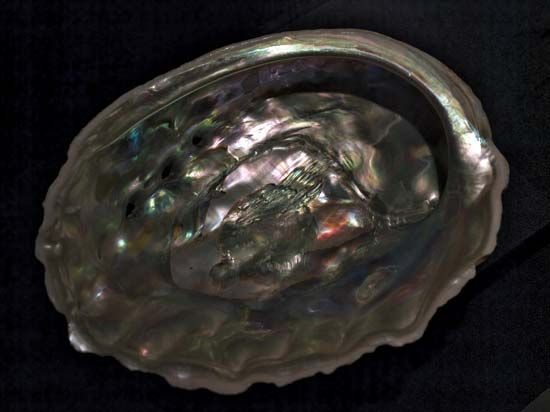
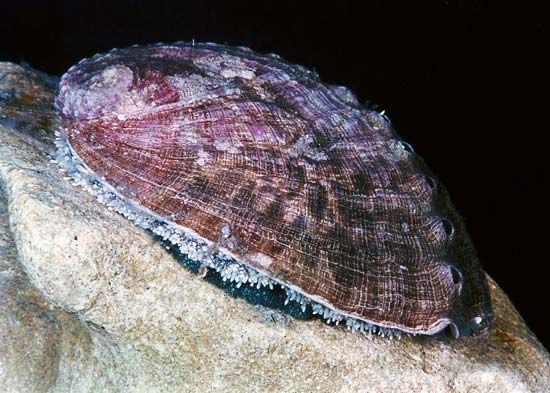
An abalone is a marine snail belonging to the genus Haliotis and the family Haliotidae. These mollusks are characterized by a dishlike, ear-shaped shell featuring a row of small holes along the outer edge, which serve as outlets for waste products. The interior of the shell is typically lustrous and iridescent, while the animal itself uses a large, muscular foot to attach to rocks in shallow, rocky coastal waters where it feeds on algae.12
Abalones are found in warm seas worldwide. Notable populations and commercial fisheries exist in several regions, including:12
- North America: Particularly along the western coast of the United States and North America, including species like the red, green, black, and pink abalone.12
- Asia: Including Japan and the east coast of China.12
- Other regions: Significant populations and commercial activities are also found in Australia, South Africa, and New Zealand (where they are known as paua).12
How do abalones differ from other marine snails in terms of their appearance and anatomy?
Abalones (Haliotidae) are distinct from many other marine snails due to specific anatomical and shell adaptations that reflect their life in high-energy, rocky coastal environments.145
Shell Characteristics
While most snails feature a classic spiral shell, the abalone’s shell is dishlike and ear-shaped, with only faint traces of spiral coiling. This occurs because the final body whorl expands so rapidly that it occupies more than 90 percent of the shell’s total volume. A defining feature of the abalone is a single row of small, perforated holes along the outer edge of the shell. As the animal grows, these holes are progressively filled, but the last five to nine remain open to serve as essential outlets for waste products.15
Anatomical Adaptations
- The Foot: Unlike many gastropods that use a narrow or specialized foot for various types of locomotion, the abalone possesses a broadly expanded, muscular foot. This structure functions as a powerful adhesive disk, allowing the snail to cling tightly to rocks in areas with pounding waves and swift currents.165
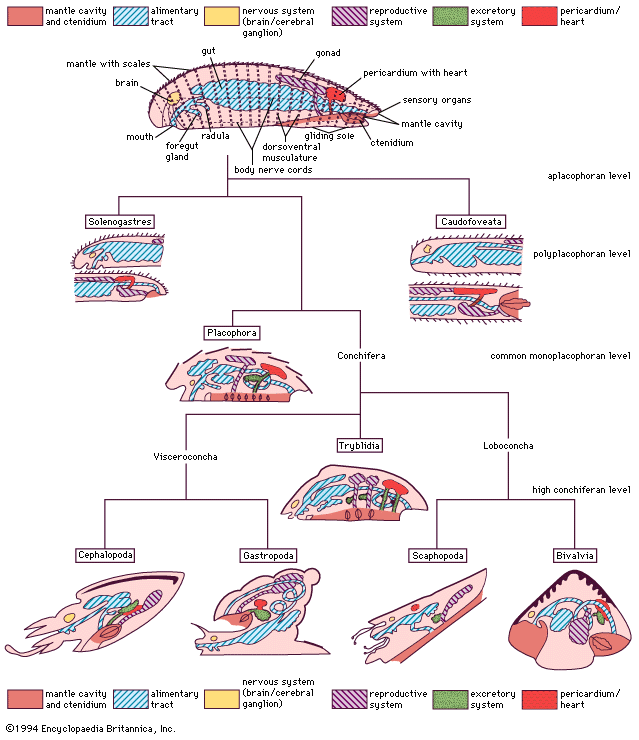
- Internal Anatomy: Abalones belong to the order Diotocardia, which is characterized by a less concentrated nervous system compared to more advanced gastropods. They typically possess two internal gills and lack specialized feeding organs like a proboscis or a siphon, which are common in many other marine snail groups.4
How are abalones used by humans for food and other purposes?
Abalones have been utilized by humans for centuries, primarily as a food source and for their aesthetic properties.
Culinary Use
The large, muscular foot of the abalone is considered a delicacy in many parts of the world. Because of its popularity, it is harvested through commercial fisheries in regions such as California, Mexico, Japan, and South Africa. To meet high demand and mitigate the impact of overfishing, many species—such as the red abalone (Haliotis rufescens)—are now raised in abalone farms and hatcheries, particularly in Australia, China, and along the western coast of the United States.13
Ornamental and Decorative Use
Beyond their value as food, abalones are prized for their shells. The interior of the shell is nacreous, often displaying vibrant, iridescent colors like green and blue. These shells have been used since early times for the manufacture of various ornaments and decorative items.13
How are abalone shells used in art and jewelry making?
Abalone shells are highly valued in art and jewelry making primarily due to their lustrous, iridescent interior, known as mother-of-pearl or nacre. This material is prized for its exceptional strength, resilience, and vibrant color range, which shifts depending on the viewing angle and the thickness of its stratified layers.18
To prepare the shell for artistic use, it is typically boiled and then cut into desired shapes. Once extracted, the nacre can be trimmed, polished, and tinted to suit various decorative purposes. Its versatility allows it to be easily laminated or applied to other bases, such as lacquer or tile, making it a popular choice for creating intricate ornaments and jewelry.8
Beyond traditional aesthetics, the unique structural properties of nacre—which consists of aragonite tablets cushioned by organic material—have inspired researchers to develop advanced biomimetic materials, though its primary historical and contemporary role remains rooted in decorative craftsmanship.89
Sources
- abalone — Encyclopædia Britannica
- black abalone — Merriam-Webster
- ear shell — Encyclopædia Britannica
- gastropod - Classification — Encyclopædia Britannica
- gastropod - The shell — Encyclopædia Britannica
- gastropod - The foot — Encyclopædia Britannica
- bivalve - Locomotion — Encyclopædia Britannica
- mother-of-pearl - Physical and mechanical properties — Encyclopædia Britannica
- mother-of-pearl - Applications — Encyclopædia Britannica
- Oceanic art and architecture - The north — Encyclopædia Britannica
Published on · 3 min read