Adder
The term "adder" is a common name applied to various venomous snakes within the viper family (Viperidae), as well as certain unrelated species like the…
How do adders differ from other viper species?
The term “adder” is a common name applied to various venomous snakes within the viper family (Viperidae), as well as certain unrelated species like the Australo-Papuan death adders (Elapidae) and the harmless North American hognose snake. Because “adder” is a colloquial label rather than a strict taxonomic classification, these snakes do not share a single set of traits that distinguish them from all other vipers. Instead, they represent diverse groups within the family.12
Vipers as a whole are characterized by long, hollow, venom-injecting fangs that fold back when not in use, keeled scales, and vertical pupils. Within this family, “adders” exhibit significant variation:2
- European common adders (Vipera berus) are stout-bodied, widely distributed, and notable for their ability to survive in cold climates, even ranging north of the Arctic Circle.1
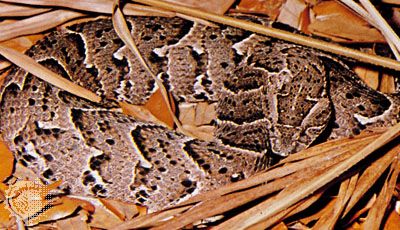
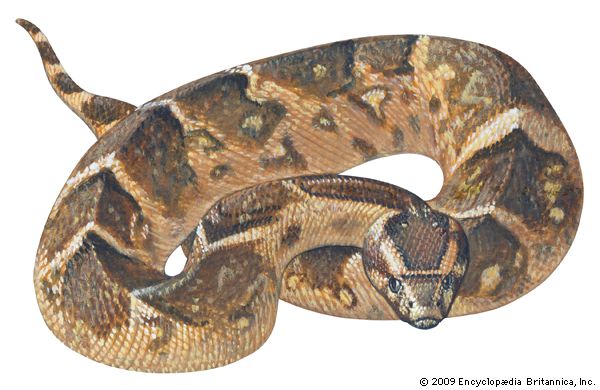
- Puff adders (Bitis) are large, thick-bodied snakes known for inflating their bodies and hissing loudly when threatened.13
- Night adders (Causus) are relatively small and slender, differing from the typically stocky build of many other vipers.1
How venomous are adders, and what effects does their venom have on humans?
Because “adder” is a colloquial term applied to various, unrelated species, the potency and effects of their venom vary significantly.
Venom Potency and Effects
- European Common Adder (Vipera berus): While venomous, its bite is rarely fatal to humans.1
- Puff Adder (Bitis arietans): This species is considered extremely venomous and is responsible for a significant number of snakebites in Africa. While its venom is relatively slow-acting and rarely causes death directly, it can cause severe symptoms, including intense pain, blistering, and significant tissue damage that may lead to the loss of limbs. Fatalities associated with this snake are often influenced by secondary factors, such as infections at the bite site.15
- Death Adders (Acanthophis): Despite their name, these are members of the cobra family (Elapidae). They produce a potent neurotoxic venom that is highly dangerous, causing death in approximately 50% of untreated cases.1
General Physiological Impact
Venomous snakes typically use venom to paralyze or kill prey and defend against predators. Depending on the species, the venom may contain hemotoxins that destroy blood vessels and cause internal bleeding, or neurotoxins that interfere with the nervous system, potentially leading to paralysis or respiratory failure.4
Where are adders typically found in the wild, and what habitats do they prefer?
Because “adder” is a common name applied to diverse groups of snakes, their habitats vary widely depending on the specific species and region.
- European Common Adder (Vipera berus): This species is widely distributed across Europe and Asia. It is highly adaptable and can thrive in various environments, notably ranging as far north as the Arctic Circle in Norway.1
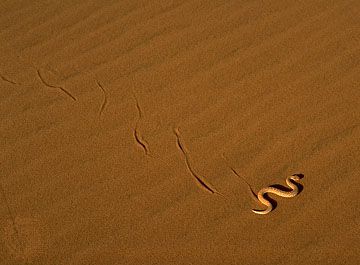
- Puff Adder (Bitis arietans): These snakes are primarily found in the semiarid regions of sub-Saharan Africa and parts of the Arabian peninsula. They utilize their dull-colored scales for camouflage against desert terrain, including rocks, sand, and dry grasses.14
- Night Adders (Causus): These vipers are found in regions south of the Sahara and are typically active at night.1
- Death Adders (Acanthophis): Found in Australia and New Guinea, these snakes occupy a broad range of environments, from arid desert areas to lush rainforest. Some species, such as A. antarcticus, are specifically found near the more temperate, maritime coasts of Australia.1
What are the defining characteristics of adders as a group of snakes?
The term “adder” does not refer to a single, biologically uniform group of snakes. Instead, it is a common name applied to several distinct, often unrelated, groups of venomous and non-venomous serpents.13
Defining Characteristics by Group
- Viperidae (True Adders): Most snakes referred to as adders belong to the viper family. These are generally characterized by a stout body, a broad head, and a pair of long, hollow, venom-injecting fangs that fold against the roof of the mouth when not in use. Examples include the European common adder and the puff adder, which are known for their terrestrial nature and potent venom.16
- Australo-Papuan Death Adders: Despite their name, these snakes belong to the Elapidae family (the same family as cobras). They are a notable example of convergent evolution, as they possess a viperlike appearance with thick bodies, short tails, and broad heads, despite their elapid lineage.1
- Non-venomous Snakes: The name is also colloquially applied to certain harmless species, such as the North American hognose snake, which are often mistakenly believed to be venomous.13
Because these snakes span different families, there is no single set of physical traits that defines all “adders.” Their shared identity is primarily a result of historical naming conventions rather than shared evolutionary biology.13
Sources
- adder — Encyclopædia Britannica
- snake - Skull and sense organs — Encyclopædia Britannica
- viper — Encyclopædia Britannica
- puff adder — Encyclopædia Britannica
- Venom — Encyclopædia Britannica
- adder — Merriam-Webster
Published on · 4 min read