Alligator Lizard
Alligator lizards are found in the wild across a broad geographic range, extending from southern British Columbia and the northwestern United States through…
Where are alligator lizards commonly found in the wild?
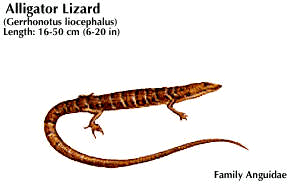
Alligator lizards are found in the wild across a broad geographic range, extending from southern British Columbia and the northwestern United States through Mexico and Central America as far south as Panama.1
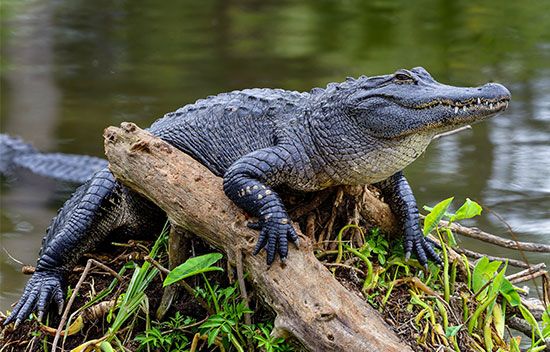
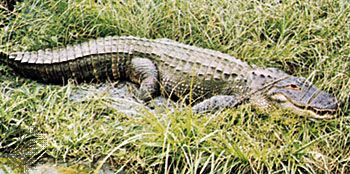
It is important to clarify that “alligator lizard” refers to a diverse group of 42 lizard species within the subfamily Gerrhonotinae. They should not be confused with the American alligator, a large crocodilian found in the southeastern United States and northeastern Mexico. While the name “alligator” is derived from the Spanish phrase el lagarto, meaning “the lizard,” these are distinct animals with different habitats and biological classifications.12
Within the alligator lizard group, distribution varies by genus: Elgaria and Gerrhonotus are typically found in the northern temperate zone, while Abronia, Barisia, and Mesaspis are primarily distributed in tropical or subtropical regions.1
Are there any conservation concerns for alligator lizard species?
The provided search results do not contain information regarding specific conservation concerns for alligator lizard species (subfamily Gerrhonotinae). While the search results provide detailed information on the conservation status of the American alligator and other crocodilians, they do not address the status of the 42 species of alligator lizards.
How long do alligator lizards typically live in the wild and in captivity?
It is important to clarify that “alligator lizards” (subfamily Gerrhonotinae) are distinct from alligators (genus Alligator). The information provided pertains to the latter, as there is no data available regarding the lifespan of alligator lizards.
Alligators typically live for about 35 to 50 years in the wild. In captivity, where they benefit from controlled environments, regular feeding, and a lack of predators, they often live significantly longer, frequently surpassing 70 years of age. Some notable individuals have reached even greater ages; for example, an American alligator at the Belgrade zoo has been alive since the 1930s, and another individual named Saturn lived to approximately 84 years.536
How do alligator lizards differ from other lizard species?
Alligator lizards, which belong to the subfamily Gerrhonotinae, are distinguished from many other lizard species by a specific anatomical feature: a fold of skin running along the lower edge of the side of the body.1
Beyond this unique fold, they possess several other notable characteristics:
- Armor: Their head, body, and tail are protected by large scales, providing a form of natural armor.1
- Sensory Capabilities: They utilize a highly developed chemosensory system that allows them to distinguish between edible insects and spiders and those that contain high levels of toxins.1
- Physical Diversity: While they generally have short limbs, their body shapes vary by genus. Genera such as Abronia and Barisia tend to be stout with short tails, whereas Elgaria, Gerrhonotus, and Mesaspis are more slender with long tails.1
It is important to note that these animals are distinct from alligators, which are large, semi-aquatic crocodilians rather than lizards.78
Sources
- alligator lizard — Encyclopædia Britannica
- reptile - North temperate zone — Encyclopædia Britannica
- American alligator — Encyclopædia Britannica
- crocodile - Distribution and abundance — Encyclopædia Britannica
- How long can alligators live? — Encyclopædia Britannica
- alligator — Encyclopædia Britannica
- crocodile - Distinguishing taxonomic features — Encyclopædia Britannica
- 7 Questions About Lizards, Snakes, and Other Reptiles Answered — Encyclopædia Britannica
Published on · 2 min read