Adzuki Bean
The adzuki bean (Vigna angularis) is an edible legume native to East Asia, where it has been cultivated for centuries in countries like China, Japan, and…
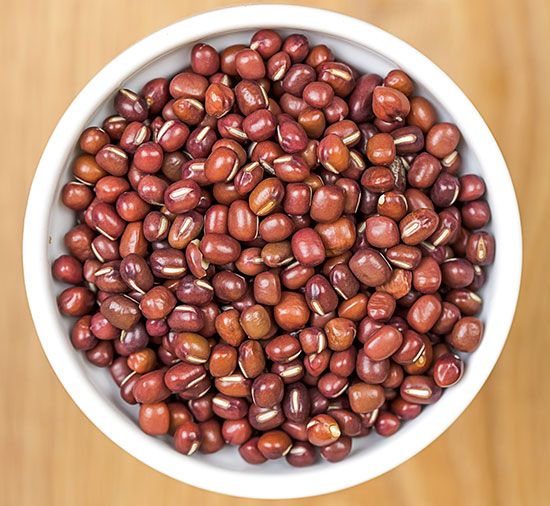
What is Adzuki bean?
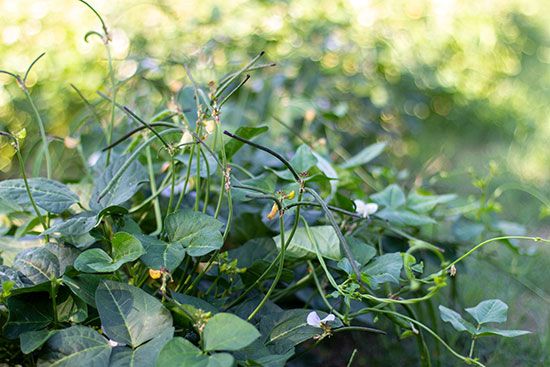
The adzuki bean (Vigna angularis) is an edible legume native to East Asia, where it has been cultivated for centuries in countries like China, Japan, and Korea1. The plant is an annual that grows as a low, bushy vine and is valued for its ability to enrich soil with nitrogen.12
These beans are a significant source of protein and starch, known for their mild, nutty, and slightly sweet flavor. They are highly versatile in cuisine, often boiled or processed into flour for soups, porridge, and pastries. A common culinary application is the sweetened red bean paste used in various desserts, such as mochi and mooncakes. Beyond food, the plant is used as a cover crop for soil health and has a long history of use in traditional medicine.2
How do nitrogen-fixing bacteria help the adzuki plant grow?
Nitrogen-fixing bacteria, such as Rhizobium, play a vital role in the growth of the adzuki plant (Vigna angularis) through a mutualistic, or symbiotic, relationship.34
These bacteria invade the root hairs of the adzuki plant, where they multiply and stimulate the formation of root nodules—small enlargements of plant cells and bacteria. Within these nodules, the bacteria perform a complex biosynthetic interaction with the host plant, converting atmospheric nitrogen (which is otherwise unavailable to the plant) into ammonia.31
The adzuki plant utilizes this fixed nitrogen for its development, which allows it to thrive even in nitrogen-deficient or poor soils. In exchange, the plant provides the bacteria with a home and the necessary subsistence to survive. This process not only supports the plant’s own growth but also enriches the soil, making the adzuki plant a valuable cover crop and green manure for agricultural systems.314
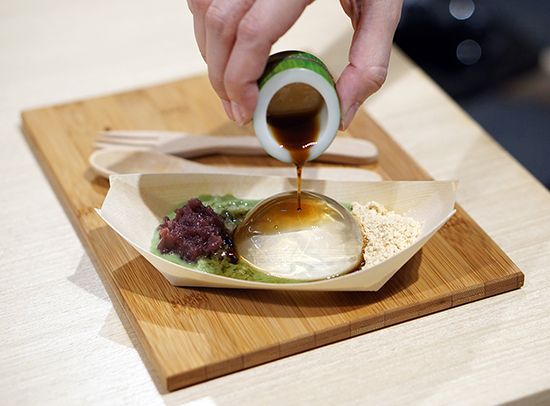
What are some common Asian desserts that use red bean paste?
Sweetened adzuki bean paste, commonly known as red bean paste, is a staple ingredient in many East Asian desserts. Because of its mild, nutty, and slightly sweet flavor, it is used in a wide variety of traditional and modern confections.5
Common desserts featuring red bean paste include:
- Mooncakes: Traditional Chinese pastries often enjoyed during the Mid-Autumn Festival, which may feature red bean paste as a rich filling.51
- Mochi: A popular Japanese treat made of glutinous rice that frequently incorporates a sweet red bean center.5
- Bao: Steamed buns that can be filled with sweetened bean paste.5
- Frozen Treats: The paste is a common addition to ice cream and shaved ice desserts.5
- Soups and Porridge: It is often used as a base for sweet adzuki bean soups.5
- Pastries: It serves as a versatile filling for numerous other cakes and confections.5
How do adzuki beans differ from other legumes like mung beans?
Adzuki beans (Vigna angularis) and mung beans (Vigna radiata) are closely related members of the pea family, sharing similar culinary applications such as being sprouted or used in soups and stir-fries.1
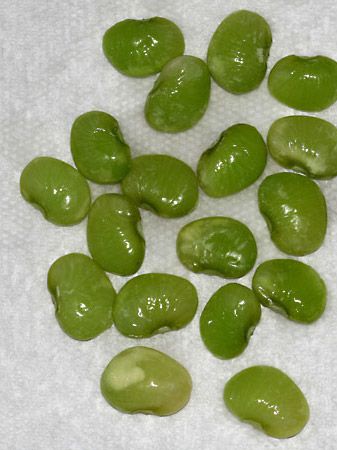
While they are botanically linked, they remain distinct species. Adzuki beans are primarily recognized for their distinctive red color and white hilum (seed scar), whereas mung beans typically feature a green skin. In terms of culinary use, adzuki beans are particularly noted for their mild, nutty, and slightly sweet flavor, which makes them a preferred choice for sweetened pastes used in mooncakes, mochi, and other confections.1
Both plants are annual legumes that contribute to soil health through nitrogen fixation, making them valuable as cover crops and green manure in agricultural systems.1
Sources
- Adzuki bean — Encyclopædia Britannica
- adzuki bean — Merriam-Webster
- Nitrogen-fixing bacteria — Encyclopædia Britannica
- Fabaceae - Nitrogen fixation — Encyclopædia Britannica
- red bean — Merriam-Webster
- mooncake — Encyclopædia Britannica
Published on · 3 min read