White Birch
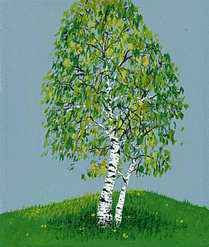
The term "white birch" refers to several species within the genus Betula that are characterized by their distinctive white, peeling bark. While the name is…
What are the different species within the white birch tree group?
The term “white birch” refers to several species within the genus Betula that are characterized by their distinctive white, peeling bark. While the name is often used interchangeably with paper birch (B. papyrifera), it encompasses a variety of trees native to the Northern Hemisphere.12
Key species identified as white birch include:
- Paper Birch (B. papyrifera): A North American native known for its paper-thin, peeling bark, which was historically used for canoes and roofing.13
- Downy Birch (B. pubescens): A Eurasian species reaching about 18 meters in height, recognized by its egg-shaped leaves that are typically hairy on the underside.1
- European White Birch (B. pendula): Also called silver or common birch, this tree features slender, drooping branches and is widely cultivated for its ornamental varieties, such as cut-leaved and weeping forms.1
- Asian White Birch (B. platyphylla): Native to eastern Asia, this species is noted for its broad leaves and hard, yellow-white wood.1
Where are white birch trees typically found in their natural habitat?
White birch trees are native to cool regions across the Northern Hemisphere. Their specific natural habitats vary by species:3
- Paper Birch (Betula papyrifera): This species is native to northern and central North America.1
- Downy Birch (Betula pubescens): This tree is native to Eurasia.3
- European White Birch (Betula pendula): Often found on light soils, this species is native to Europe and parts of Asia.3
- Asian White Birch (Betula platyphylla): As the name suggests, this species is native to eastern Asia.3
Because these trees are adapted to cooler climates, they are generally found in northern latitudes or high-altitude environments within these regions. When cultivated outside of their natural geographic range, they can become susceptible to pests such as borers.31
How have white birch trees been used traditionally by various cultures?
White birch trees have played a significant role in the traditions and survival of various cultures, particularly due to the unique properties of their bark and wood.
Indigenous Uses in North America
North American Indians historically utilized the thin, water-impervious bark of the paper birch for essential survival needs. Its durability and resistance to water made it an ideal material for constructing canoes, as well as for roofing and making shoes. These birchbark canoes were so efficient in design that they were later adopted by European explorers for navigating wilderness waterways. Additionally, the bark of paper and yellow birch is highly valued by outdoor enthusiasts for its ability to ignite and burn even when wet.345
Broader Cultural and Commercial Applications
Beyond North America, various birch species have been integrated into daily life and industry:
- Construction and Craft: The wood of the downy birch has been used to manufacture items such as spoons and snowshoes.6
- Beverages: The sap of the sweet birch has been used to produce birch beer, an effervescent drink.41
- Aromatherapy: Sweet birch is also a source of birch oil, which has been utilized in aromatherapy.1
What are the defining characteristics of white birch trees?
White birch trees, belonging to the genus Betula and the family Betulaceae, are defined by several key physical characteristics:
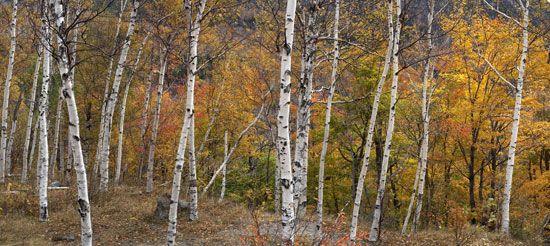
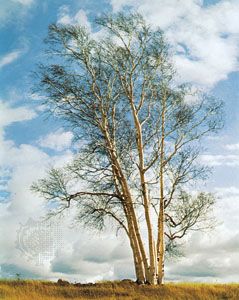
- Bark: The most recognizable feature is their white, peeling bark, which is marked by horizontal pores called lenticels. On young trees, the bark typically peels horizontally in thin sheets, while older trunks may become deeply furrowed and break into irregular plates.15
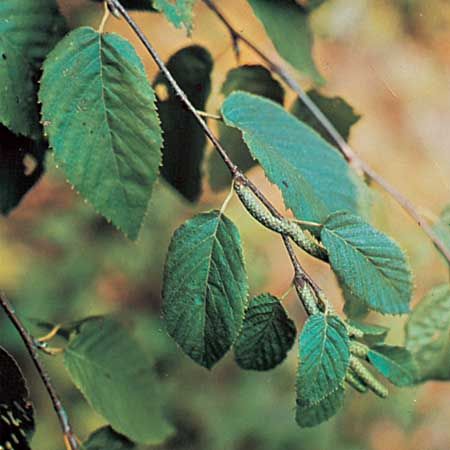
- Leaves: The leaves are generally egg-shaped or triangular with toothed margins. They are arranged alternately on the branchlets and typically turn yellow in the autumn.5
- Growth Habit: These trees often feature slender branches that form a narrow, pyramidal crown when young, becoming horizontal or pendulous as the tree matures.15
- Reproduction: They produce drooping male catkins that flower before the leaves emerge, alongside smaller, upright female catkins. These develop into conelike clusters that release tiny, winged nutlets upon maturity.5
Native to cool regions of the Northern Hemisphere, these trees are valued as both ornamental specimens and timber sources.15
Sources
- white birch — Encyclopædia Britannica
- white birch — Merriam-Webster
- paper birch — Encyclopædia Britannica
- birchbark — Merriam-Webster
- birch — Encyclopædia Britannica
- boat - Bark and skin craft — Encyclopædia Britannica
- sweet birch — Encyclopædia Britannica
Published on · 3 min read