Tarweed
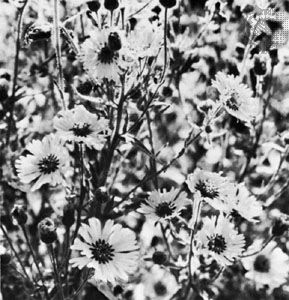
Tarweed refers to various resinous, sticky, and hairy plants, most notably those belonging to the genus Madia in the Asteraceae family. These plants are…
What is Tarweed?
Tarweed refers to various resinous, sticky, and hairy plants, most notably those belonging to the genus Madia in the Asteraceae family. These plants are native to western North and South America and are characterized by their strong odor and glandular surfaces.12
While the term is primarily associated with Madia, it is also used to describe other plants such as Grindelia, “mountain misery,” and certain species of “fiddle-neck”. Some Madia species are cultivated as garden plants for their yellow or brownish-yellow flowers, and the madia oil plant (M. sativa) is specifically grown in Chile for its oil.21
Why do tarweed plants have a sticky, resinous texture?
Tarweed plants, particularly those in the genus Madia, possess a sticky, resinous texture primarily as a form of chemical defense against herbivory. This characteristic stickiness is produced by glandular structures on the plant’s surface, which secrete substances that help deter insects and other herbivores from consuming the plant’s tissues.13
In the broader context of the Asteraceae family, to which tarweeds belong, plants have evolved an extensive “arsenal” of secondary metabolites to survive in diverse environments. These include terpenoid volatile oils and other resinous compounds that serve as effective deterrents against potential predators. By creating a sticky, glandular surface, the plant physically and chemically discourages the “hordes” of leaf-eating insects and other herbivores that might otherwise damage its stems and leaves.24
How is the oil from the madia oil plant used?
The oil extracted from the seeds of the madia oil plant (also known as melosa) is primarily utilized as a culinary substitute for olive oil.6
What are some other plants in the Asteraceae family?
The Asteraceae family, also known as the aster, daisy, or composite family, is one of the largest families of flowering plants, comprising more than 1,620 genera and 25,000 species. These plants are distributed worldwide and include a vast array of garden ornamentals, food crops, and wild species.789
Common Examples of Asteraceae
The family is highly diverse, with members ranging from common garden flowers to edible crops and even some noxious weeds.107
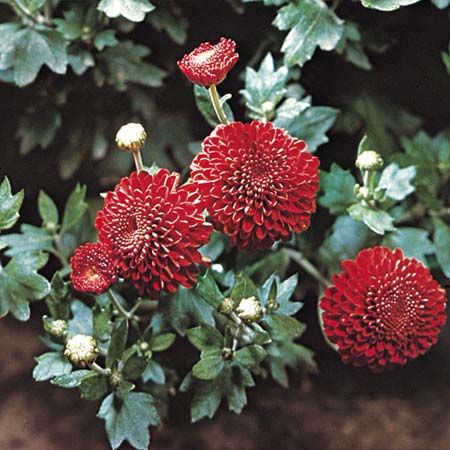
- Garden Ornamentals: Many popular flowers belong to this family, including asters, chrysanthemums, cosmos, dahlias, marigolds, and zinnias.109
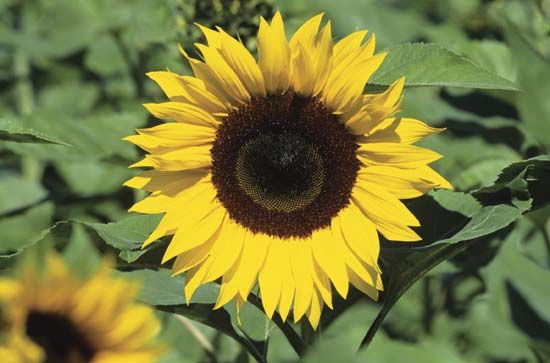
- Food Crops: Several members are cultivated for human consumption, such as artichokes, lettuce, endive, salsify, and sunflowers, the latter of which are also used for cooking oil.109
- Herbs and Flavorings: This category includes tarragon, chamomile, stevia, and wormwood, the source of the oil used in absinthe.109
- Wildflowers and Weeds: Familiar wild species include the dandelion, ragweed, thistle, goldenrod, and burdock.108
These plants are characterized by their composite flower heads, which often resemble a single flower but are actually composed of many individual florets.811
Sources
- Tarweed — Encyclopædia Britannica
- tarweed — Merriam-Webster
- Eating the rainforest — Encyclopædia Britannica
- Asterales - Asteraceae — Encyclopædia Britannica
- Chemoreception - Defensive tastes — Encyclopædia Britannica
- madia oil — Merriam-Webster
- Asteraceae - Economic importance — Encyclopædia Britannica
- Asteraceae — Encyclopædia Britannica
- list of plants in the family Asteraceae — Encyclopædia Britannica
- Asteraceae - Flowers — Encyclopædia Britannica
- list of economically important members of the family Asteraceae — Encyclopædia Britannica
- Asterales — Encyclopædia Britannica
Published on · 2 min read