Lima Bean
The lima bean (Phaseolus lunatus) is a legume belonging to the Fabaceae family, widely cultivated for its edible seeds. Originating in Central America, the…
What is Lima bean?
The lima bean (Phaseolus lunatus) is a legume belonging to the Fabaceae family, widely cultivated for its edible seeds. Originating in Central America, the plant is named after Lima, Peru.12
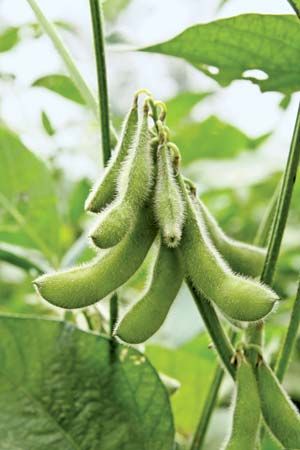
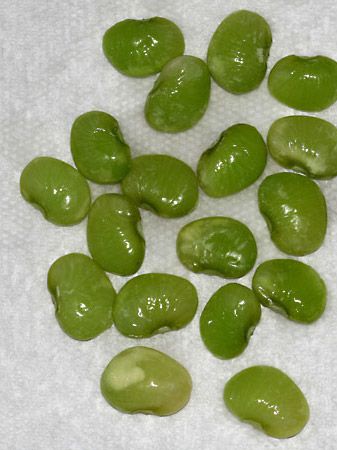
The lima bean is characterized by its wide, flat, and slightly curved pods, while the seeds themselves often feature fine ridges radiating from the “eye” of the seed coat. These beans grow in both bush and climbing forms and come in a variety of sizes, shapes, and colors. While they are perennial in tropical climates, they are typically grown as annuals elsewhere, requiring warmer weather and a longer growing season than the common bean. Well-known varieties include butter beans and giant white beans.12
What are the nutritional benefits of eating legumes?
Legumes are a highly nutritious and sustainable food source, serving as a staple for billions of people worldwide. Their primary nutritional benefits include:3
- High Protein Content: Legumes typically contain at least 20 percent protein and provide many of the essential amino acids required for human health.453
- Dietary Fiber: They are an excellent source of dietary fiber, which aids in digestion, helps prevent constipation, promotes satiety, and can reduce the risk of heart disease by lowering cholesterol levels.36
- Essential Vitamins and Minerals: Legumes are a good source of most B vitamins and iron.4
- Low Fat: Most legumes are naturally low in fat, with the notable exception of soybeans, which are a significant source of edible oil.4
Because they are both affordable and nutrient-dense, legumes are considered an essential component of human nutrition5.
How do bush beans differ from climbing bean varieties?
The primary difference between bush beans and climbing bean varieties lies in their growth habit and structural requirements.
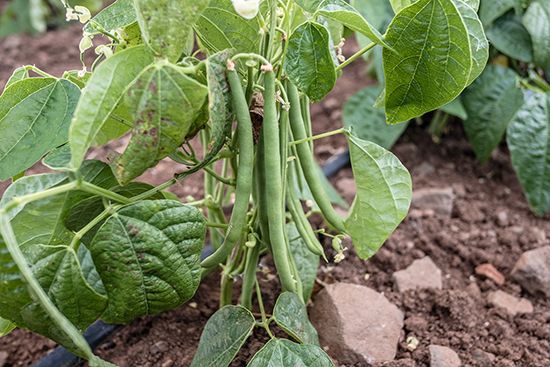
- Bush Beans: These varieties are characterized by an erect, bushy growth pattern. Because they remain compact and upright, they do not require any external supports to grow effectively.789
- Climbing Beans: These varieties grow as climbing plants. When grown for their immature pods, such as green beans, they require artificial supports to facilitate harvesting and manage their vining nature.89
While most bean species, including the common bean, typically fall into one of these two categories, some important types exhibit an intermediate form, such as dwarf or semi-climbing varieties. Regardless of their growth habit, both types are cultivated for their edible seeds or pods and share similar nutritional profiles, being rich in protein and essential nutrients.98
What are some other common types of beans used in cooking?
Beyond the common garden varieties, there are many other types of beans used in cooking worldwide, each with distinct culinary applications:
- Soybeans: The most economically significant bean globally, they are a primary ingredient in tofu and are used in numerous medicinal and industrial products.9
- Broad Beans: Also known as fava beans, these are a staple in European cuisine. Unlike many other beans, they can tolerate slight freezing and are typically grown in cooler climates.9
- Lima Beans: Often called sieva or butter beans, these are distinguished by fine ridges on the seed coat. They are a warm-weather crop primarily grown in the Americas.9
- Garbanzo Beans: Essential to Middle Eastern and Mediterranean cooking, these are the key ingredient in dishes like hummus and falafel.9
- Cowpeas: Frequently referred to as black-eyed peas, these are a popular ingredient in Caribbean and southern United States cuisines.9
- Mung Beans: Native to India, these are commonly eaten as seeds or sprouted.9
- Adzuki Beans: These are widely used in East Asian cooking, particularly in Japan.9
Sources
- Lima bean — Encyclopædia Britannica
- lima bean — Merriam-Webster
- human nutrition - Legumes — Encyclopædia Britannica
- Legume — Encyclopædia Britannica
- Fabales — Encyclopædia Britannica
- dietary fiber — Encyclopædia Britannica
- bush bean — Merriam-Webster
- Common bean — Encyclopædia Britannica
- Bean — Encyclopædia Britannica
- garbanzo bean — Merriam-Webster
Published on · 3 min read