Vine
A vine is a plant with a stem that requires support to grow. These plants climb by using tendrils or by twining around structures, though some species simply…
What is vine?
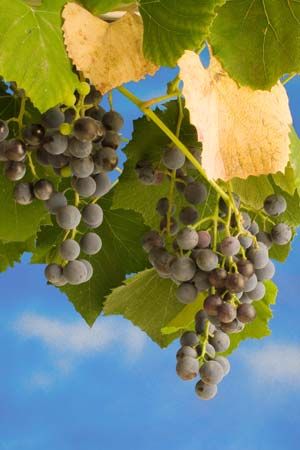
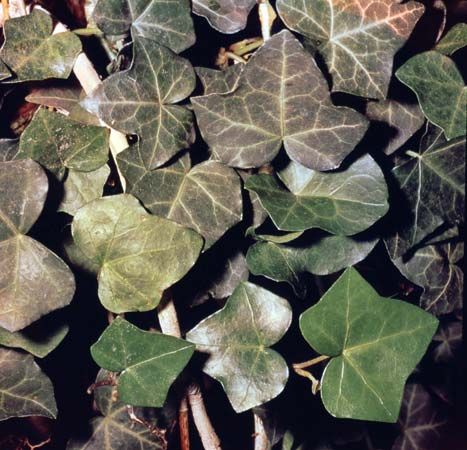
A vine is a plant with a stem that requires support to grow. These plants climb by using tendrils or by twining around structures, though some species simply creep along the ground. Common examples include grapes, ivy, lianas, and melons. In gardening, these climbers are frequently used to soften the appearance of buildings and fences, provide shade, or serve as ground cover.12
Please note that a vine is distinct from vinegar, which is a sour liquid produced through the fermentation of alcoholic liquids into acetic acid.3
How do plants use tendrils to climb?
Plants use tendrils—specialized, threadlike organs derived from leaves or stems—to anchor and support their growth. These structures are highly sensitive to contact, a response known as thigmotropism.456
When a tendril brushes against an object, it senses the mechanical stimulation and begins to curve toward the point of contact. If the shape of the object allows, the tendril wraps around it, clinging firmly as long as the stimulation persists.4
To ensure the plant remains secure as it grows, the following structural changes occur:
- Strengthening: The plant develops strong mechanical tissue, known as sclerenchyma, within the tendril to support the weight of the vine.4
- Adhesion: Some species produce terminal enlargements that flatten against a surface and secrete an adhesive, effectively cementing the plant to its substrate.4
By utilizing these specialized responses, climbing plants can effectively navigate their environment to reach light and resources.45
What is the difference between a liana and other vines?
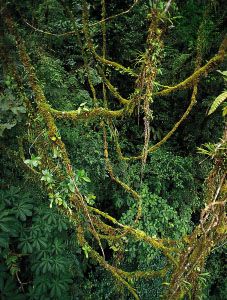
The primary distinction between a liana and other types of vines lies in their physical structure and habitat. While the term “vine” is a broad category for any plant that requires support to climb or creep, a liana is specifically defined as a long-stemmed, woody vine that remains rooted in the soil.91
Key differences include:
- Woody Composition: Unlike many herbaceous vines (such as melons or certain ivies), lianas possess woody stems that can grow to significant sizes, reaching up to 60 cm in diameter and 100 meters in length.9
- Ecological Niche: Lianas are a defining structural component of tropical forest ecosystems. They act as “structural parasites,” exploiting the trunks and limbs of trees to reach the well-lit forest canopy.9
- Growth Patterns: Lianas often tangle together to form complex, hanging networks of vegetation, which can significantly impact forest dynamics by affecting the growth of trees and delaying regrowth in canopy gaps.9
How does fermentation turn fruit juice into vinegar?
The transformation of fruit juice into vinegar is a two-step process that relies on the sequential action of yeast and specific bacteria.11
- Alcoholic Fermentation: First, the natural sugars present in the fruit juice are converted into ethyl alcohol and carbon dioxide gas. This stage is driven by the enzymes found in yeast.11
- Acetic Fermentation: In the second step, the alcohol produced is converted into acetic acid and water. This process, known as acetic fermentation, requires the presence of atmospheric oxygen and bacteria of the genus Acetobacter. of the genus Acetobacter.11
These bacteria work symbiotically to oxidize the alcohol, eventually creating a liquid that typically contains about 4 percent acetic acid. The specific flavor and aroma of the resulting vinegar are influenced by the organic acids and esters originally derived from the fruit. Historically, this process was managed in barrels with small air holes to provide the necessary oxygen, a method known as the Orleans process.11
Sources
- vine — Encyclopædia Britannica
- gardening - Shrubs and vines (climbers) — Encyclopædia Britannica
- vinegar — Encyclopædia Britannica
- Tendril — Encyclopædia Britannica
- Did you know? — Merriam-Webster
- Tropism — Encyclopædia Britannica
- Locomotion - Climbing — Encyclopædia Britannica
- climbing plant — Merriam-Webster
- Liana — Encyclopædia Britannica
- liana — Merriam-Webster
- acetic fermentation — Merriam-Webster
- acetic acid — Encyclopædia Britannica
- wine - Fermentation — Encyclopædia Britannica
- fermentation — Encyclopædia Britannica
- distilled spirit - Fermenting methods — Encyclopædia Britannica
Published on · 3 min read