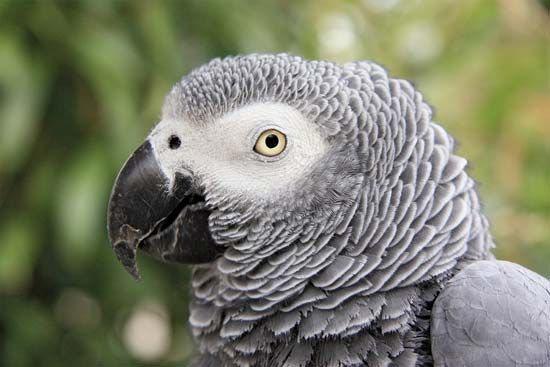
African Gray Parrot
African gray parrots are highly social birds that rely on a variety of raucous vocalizations to communicate within their flocks. These vocalizations serve…
How do African gray parrots communicate and what types of vocalizations do they use?
African gray parrots are highly social birds that rely on a variety of raucous vocalizations to communicate within their flocks. These vocalizations serve several critical functions, including coordinating flock movements, warning others of potential danger, and expressing aggression toward rivals.12
Beyond their natural calls, these parrots are renowned for their advanced vocal learning abilities, which allow them to mimic a wide range of sounds, including the calls of other bird species, the sounds of other animals like bats, and human speech.123
Research, most notably studies involving an African gray named Alex, has demonstrated that these birds do more than just mimic sounds. They are capable of associating specific sounds with meanings, allowing them to use vocalizations to label objects, count, and communicate contextually with both humans and other parrots. This sophisticated level of understanding highlights their high cognitive capacity, which is often compared to that of a human toddler.123
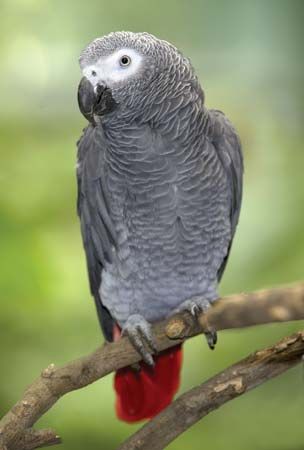
How long do African gray parrots typically live, and what are their care requirements as pets?
In the wild, African gray parrots typically live to be about 20 years old, while specimens in captivity have been known to live nearly 50 years.2
Providing proper care for these intelligent, social birds is a significant commitment. Because they are naturally flock-oriented, they form strong attachments to their human caretakers and require regular socialization to thrive. If they are not properly trained or receive insufficient attention, they can become aggressive or destructive. A common behavioral issue resulting from stress or neglect is feather plucking, a damaging neurosis that is difficult to correct.2
Regarding their physical needs, a balanced diet that includes fresh foods is essential for their health. Responsible ownership also involves understanding their high cognitive capacity; they benefit from mental stimulation and positive behavioral reinforcement. Because of their complex social needs and potential for long lifespans, prospective owners should be prepared for a long-term, intensive caregiving experience.2
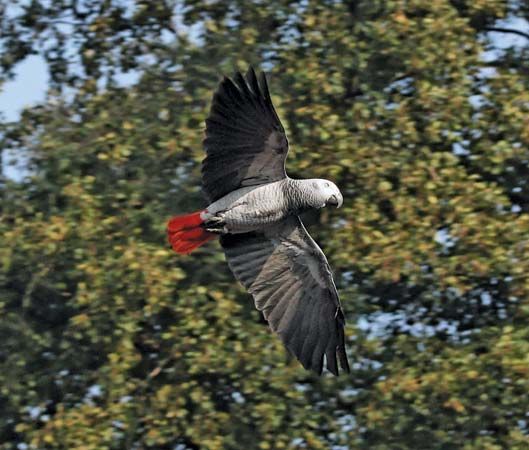
How do African gray parrots compare to other parrot species in terms of intelligence?
African gray parrots are widely considered to possess some of the highest levels of intelligence among nonhuman animals, with cognitive abilities often compared to those of a three- or four-year-old human child.1
While many parrot species, such as Amazon parrots, macaws, and certain parakeets, are capable of proficient mimicry, the African gray is distinguished by its advanced capacity for conceptual understanding. Research, most notably the studies conducted by Irene Pepperberg with the parrot Alex, proved that these birds do not merely mimic sounds; they can associate sounds with meanings, label objects by shape, color, and material, and even perform basic counting.213
Furthermore, African grays have demonstrated the ability to use deductive reasoning to solve problems and can work cooperatively with other parrots to achieve goals. This level of cognitive function ranks them among the most intelligent species, alongside apes and cetaceans.1
How has the pet trade affected wild populations of African gray parrots?
The international pet trade has had a devastating impact on wild populations of African gray parrots. A 2003 study by the United Nations Environment Programme estimated that nearly 660,000 of these birds were sold on the international market between 1982 and 2001. Beyond those sold, it is estimated that more than 300,000 additional birds likely perished during the process of capture or transport due to mistreatment.24
This intense pressure from the pet trade, combined with other factors, led the International Union for Conservation of Nature (IUCN) to list both the Congo African gray and the Timneh parrot as vulnerable species in 2012. While major markets like the United States and the European Union have implemented bans on the importation of wild-caught specimens, significant demand has persisted in other regions, including the Middle East, East Asia, and within Africa itself.2
Sources
- Which parrots are most likely to talk? — Encyclopædia Britannica
- African gray parrot — Encyclopædia Britannica
- Why do parrots talk? — Encyclopædia Britannica
- psittaciform - Importance to humans — Encyclopædia Britannica
Published on · 3 min read