Australian Little Penguin
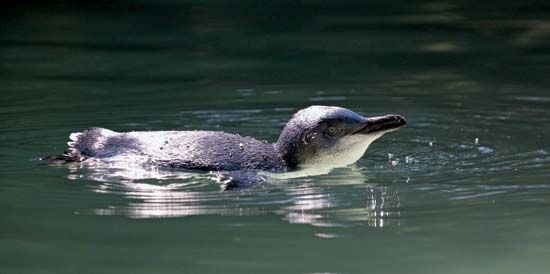
The Australian little penguin (Eudyptula novaehollandiae) is a small penguin species native to the coastal regions of Australia, Tasmania, and the Otago…
What is Australian little penguin?
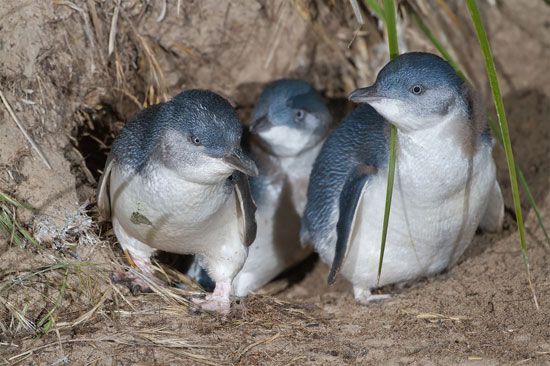
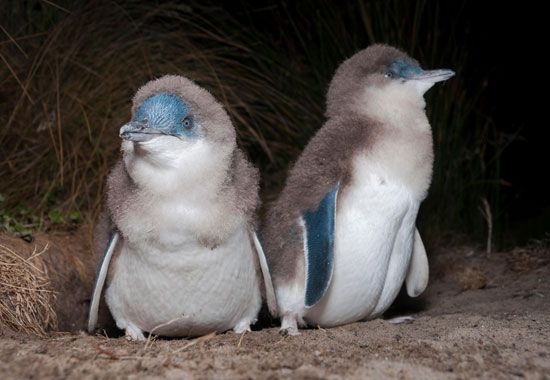
The Australian little penguin (Eudyptula novaehollandiae) is a small penguin species native to the coastal regions of Australia, Tasmania, and the Otago Peninsula of New Zealand1.
While historically classified as a subspecies of the blue penguin (E. minor), recent genetic and skeletal studies have provided strong evidence for its status as a distinct species. These birds are the world’s smallest penguins, typically measuring 25–30 cm in length and weighing about 1.2 kg. They are characterized by their pale blue to dark gray plumage and white underbellies, which provide camouflage while swimming.1
Australian little penguins are colonial nesters that build burrows or occupy rock crevices. They are skilled swimmers, hunting fish, squid, and crustaceans during the day and returning to land at night. Although not yet assessed by the IUCN, they face threats from pollution and invasive species.12
How do scientists use genetics to distinguish between penguin species?
Scientists use genetics to distinguish between penguin species by analyzing DNA sequences to identify evolutionary relationships and biological distinctiveness. This approach has become increasingly vital as traditional methods, which rely primarily on structural characteristics like plumage, bill shape, and skeletal anatomy, sometimes prove insufficient for classifying isolated or closely related populations.12
In the case of the Australian little penguin, genetic studies conducted in the 2010s were instrumental in arguing for its status as a distinct species rather than a subspecies of the blue penguin. Researchers identified two genetically distinct lineages within the previously defined subspecies E. minor novaehollandiae. By comparing these genetic markers alongside investigations into skeletal dissimilarities, scientists were able to provide evidence that the differences were significant enough to justify reclassification.345
These modern molecular techniques, combined with computerized phylogenetic analysis, allow researchers to test and refine taxonomic hypotheses that were previously based on more limited morphological data.1
What are some other types of penguins found in the Southern Hemisphere?
There are 18 to 21 species of penguins, all of which are flightless marine birds native to the Southern Hemisphere. While they are often associated with Antarctica, most species actually inhabit temperate regions or islands between 45° and 60° S latitude.
Some notable penguin species found in the Southern Hemisphere include:
- Emperor penguin: The largest modern penguin, known for breeding on the Antarctic coastline during the harsh winter.
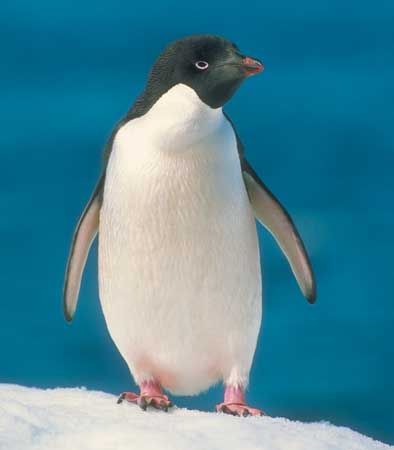
- Adélie penguin: A polar species that, along with the emperor, lives along the Antarctic coast.
- Magellanic penguin: Found along the coasts of southern South America and the Falkland Islands; it belongs to the genus Spheniscus.
- King penguin: A subantarctic species with a unique breeding cycle that spans 14 to 18 months.
- Gentoo penguin: A circumpolar species notable for its lack of breeding synchrony among different populations.
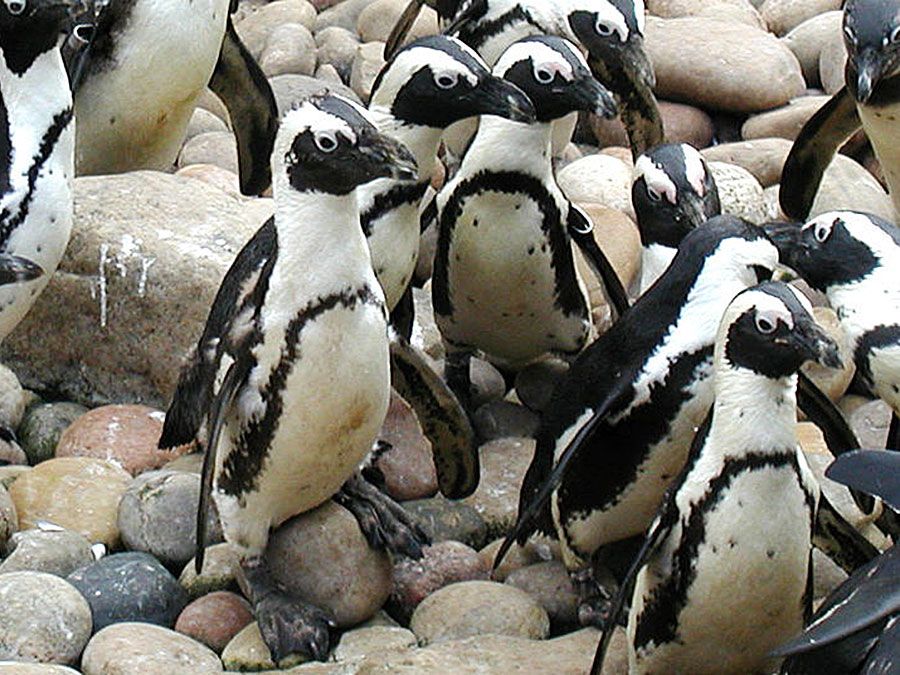
- African penguin: A temperate-dwelling species that, like the blue penguin, can breed twice a year.
- Galapagos penguin: Unique for being the only penguin species that lives at the Equator.
- Other subantarctic species: These include the chinstrap, rockhopper, and macaroni penguins.
Why is the Manly colony of little penguins considered endangered?
The colony of little penguins located at Manly on Sydney Harbour is considered endangered due to a variety of human-related and environmental pressures. While the species as a whole has not been assessed by the International Union for Conservation of Nature, this specific population faces significant threats that have necessitated its protection under New South Wales’s Biodiversity Conservation Act 2016.12
Key factors contributing to the endangered status of the Manly colony include:
- Habitat Destruction: Nesting sites are frequently threatened or destroyed by local construction projects.12
- Pollution: The coastal environment where these penguins nest is susceptible to fouling by pollution.12
- Human Activity: The penguins are at risk of being struck by watercraft, such as Jet Skis, while at sea.12
- Introduced Predators: The colony is vulnerable to predation by non-native species, including dogs, cats, foxes, and rats.12
Sources
- Australian little penguin — Encyclopædia Britannica
- Australian little penguin: Top Questions — Encyclopædia Britannica
- blue penguin — Encyclopædia Britannica
- penguin - Classification — Encyclopædia Britannica
- procellariiform - Critical appraisal — Encyclopædia Britannica
- penguin - Fossil record — Encyclopædia Britannica
- Bird - Distinguishing taxonomic features — Encyclopædia Britannica
- penguin — Encyclopædia Britannica
- Antarctica - Birds — Encyclopædia Britannica
- penguin - Reproduction — Encyclopædia Britannica
- Magellanic penguin — Encyclopædia Britannica
Published on · 3 min read