Lily of the Nile
The lily of the Nile (Agapanthus africanus) is a perennial herbaceous plant belonging to the Amaryllidaceae family, native to Africa. It is widely cultivated…
What is lily of the Nile?
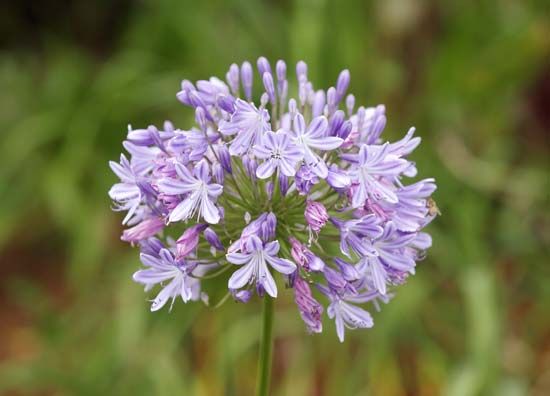
The lily of the Nile (Agapanthus africanus) is a perennial herbaceous plant belonging to the Amaryllidaceae family, native to Africa. It is widely cultivated as an ornamental in warm climates, prized for its large, spherical clusters of funnel-shaped flowers that typically appear in shades of blue, purple, or white.12
These flower clusters are supported by long stalks and are complemented by thick, sword-shaped leaves. Because the plant is sensitive to frost, those living in colder regions often grow it in containers so it can be moved indoors during the winter months. The genus name, Agapanthus, is derived from the Greek words for “love” and “flower”.12
What does the name Agapanthus mean in Greek?
The name Agapanthus is derived from two Greek words: agápē, which means “love” or “affection,” and ánthos, which means “flower.”3
How do perennial plants differ from annuals?
The primary difference between annuals and perennials lies in the duration of their life cycles.
- Annuals: These plants complete their entire life cycle—germination, growth, flowering, and death—within a single growing season. The only part of the plant that survives from one season to the next is the dormant seed. Common examples include marigolds, zinnias, and many food crops like corn and beans.67
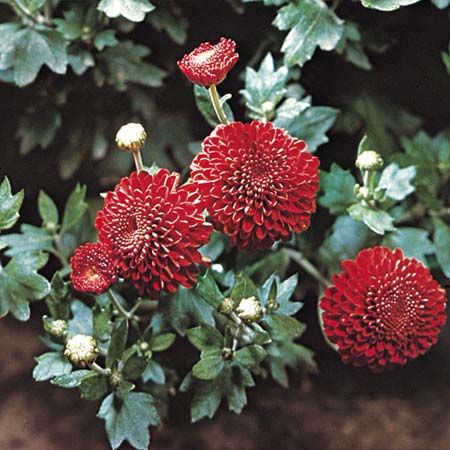
- Perennials: These plants live for an indefinite number of years, regrowing and often reblooming year after year. In temperate climates, the above-ground portions of herbaceous perennials typically die back at the end of the season, but the plant survives through subterranean structures such as bulbs, rhizomes, or tubers, which produce new shoots the following season. Examples include chrysanthemums, hollyhocks, and phlox.879
While both terms relate to the timing of a plant’s life, they are distinct in their horticultural requirements and longevity.8
What are some other plants in the amaryllis family?
The Amaryllidaceae family is a diverse group of perennial herbs divided into three subfamilies, each containing various ornamental and edible plants.10
Subfamily Amaryllidoideae
This is the largest subfamily and includes many popular garden ornamentals:10
- Daffodil and Jonquil: Members of the genus Narcissus.1011
- Snowdrop: Genus Galanthus.1011
- Snowflake: Genus Leucojum.1011
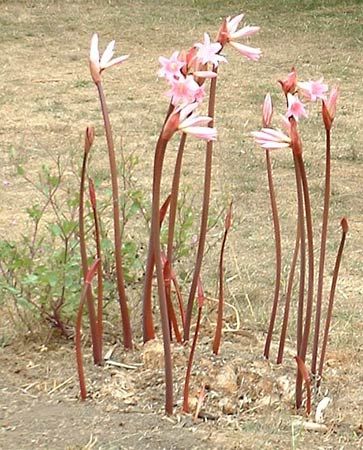
- Belladonna lily: Amaryllis belladonna.10
- Hippeastrum: Often referred to as amaryllis, known for large, showy flowers.10
- Natal lily: Also known as Kaffir lily (Clivia miniata).10
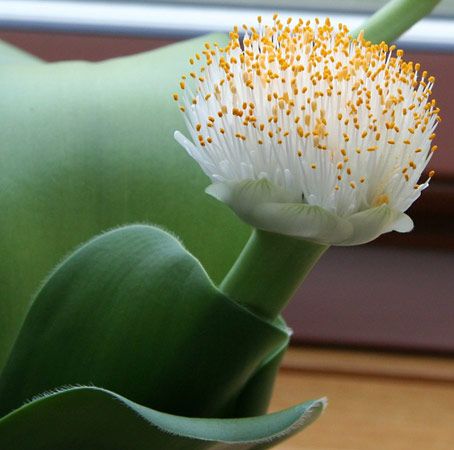
- Cape tulip: Genus Haemanthus.1011
Subfamily Allioideae
This group is notable for its important food crops, primarily within the genus Allium:1011
Sources
- lily of the Nile — Encyclopædia Britannica
- lily of the Nile — Merriam-Webster
- agapanthus — Merriam-Webster
- agape — Merriam-Webster
- antho- — Merriam-Webster
- Is That Plant 'Perennial' or 'Annual'? — Merriam-Webster
- horticulture - Herbaceous perennials — Encyclopædia Britannica
- annual — Encyclopædia Britannica
- angiosperm - General features — Encyclopædia Britannica
- Amaryllidaceae — Encyclopædia Britannica
- list of plants in the family Amaryllidaceae — Encyclopædia Britannica
Published on · 2 min read