Amaryllidaceae
The Amaryllidaceae family is recognized as a prominent alkaloid-containing plant family. These naturally occurring, nitrogen-containing bases are known for…
Are there any medicinal or toxic properties associated with plants in this family?
The Amaryllidaceae family is recognized as a prominent alkaloid-containing plant family. These naturally occurring, nitrogen-containing bases are known for their diverse physiological effects on humans and animals.1
While the specific biological function of these alkaloids in plants remains a subject of study, they are often associated with chemical defense mechanisms, potentially protecting the plants from destruction by certain insects. Within the Amaryllidaceae family, plants are characterized by a distinct series of alkaloids that differ from those found in other families within the order Asparagales.12
It is important to note that many alkaloids found in nature can be highly potent, and their effects range from medicinal applications to significant toxicity depending on the compound and dosage. Because of the potential for harm, one should always exercise caution and avoid ingesting plants or plant extracts without expert botanical and medical guidance.1
How are Amaryllidaceae plants distributed geographically around the world?
The Amaryllidaceae family, which comprises 73 genera and at least 1,600 species, is distributed primarily throughout the tropical and subtropical regions of the world.13
While the family is widespread in these warmer climates, specific groups have more localized origins. For example, the subfamily Agapanthoideae, which consists of the single genus Agapanthus, is native to South Africa. Additionally, many individual species within the family are endemic to specific regions, such as the Natal lily (Clivia miniata), which is also native to South Africa. Conversely, some members, such as the winter daffodil (Sternbergia lutea), are native to Eurasia and are commonly cultivated in gardens elsewhere.1
Which well-known ornamental plants belong to the Amaryllidaceae family?
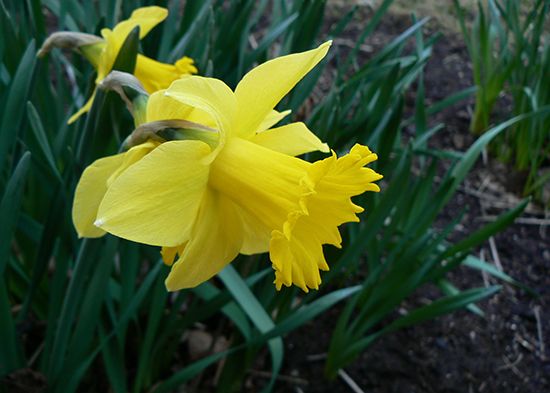
The Amaryllidaceae family is home to many popular ornamental plants, primarily within the subfamily Amaryllidoideae. These plants are widely cultivated for their attractive, often showy flowers.15
Well-known ornamental members include:
- Daffodil (Narcissus): A classic garden favorite, including varieties like the jonquil.15
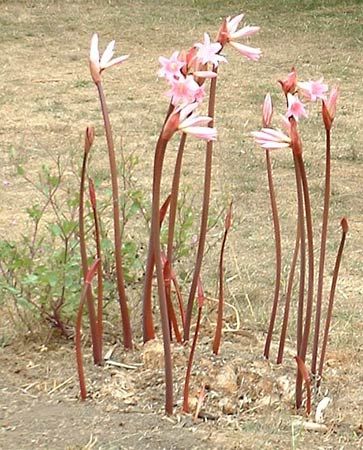
- Amaryllis: This includes the belladonna lily (Amaryllis belladonna) and the popular Hippeastrum species, which are frequently grown for their large, striking blooms.15
- Snowdrop (Galanthus) and Snowflake (Leucojum): Known for their delicate, bell-shaped flowers.15
- Natal lily (Clivia miniata): A popular houseplant valued for its vibrant orange flowers.1
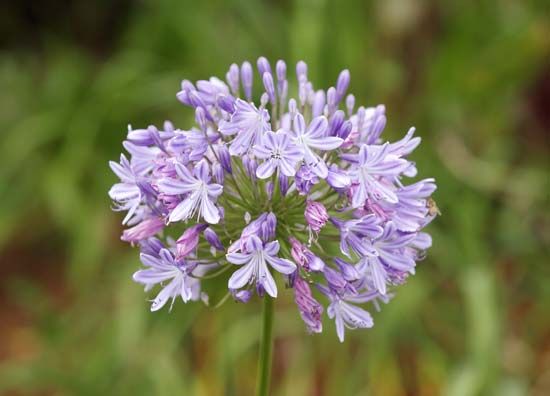
- African lily (Agapanthus africanus): A common ornamental in warmer climates, belonging to the subfamily Agapanthoideae.15
- Winter daffodil (Sternbergia lutea): Often used in rock gardens and borders.1
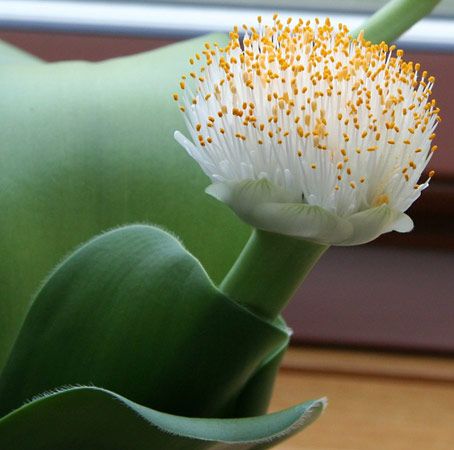
- Cape tulip (Haemanthus): Also known as the blood lily.15
How do Amaryllidaceae plants reproduce and what pollinators do they attract?
Members of the Amaryllidaceae family reproduce through both vegetative and sexual means. Vegetatively, many species propagate through the development of bulbs and bulblets, which arise at the base of mature scales and grow into new individuals as the parent plant disintegrates. In some species, such as the zephyr lily (Zephyranthes), seeds can even develop in the ovary without fertilization.5
For sexual reproduction, most members produce seeds in the conventional manner. Their pollination strategies are closely tied to their floral characteristics, such as the presence of a corona or specific tube lengths. Pollinators are attracted by various floral adaptations, including bright colors, nectar guides, and sweet odors.567
Key pollinators for the family include:
- Hummingbirds: In the New World, hummingbird pollination is observed in several Amaryllidaceae species. These plants typically feature red perianths, long wide tubes, and exserted stamens and stigmas.7
- Insects: As part of the broader Asparagales order, many members rely on insects, with bees being the most frequent visitors.7
Sources
- Amaryllidaceae — Encyclopædia Britannica
- alkaloid — Encyclopædia Britannica
- Amaryllidaceae — Merriam-Webster
- Asparagales - Flavonoids — Encyclopædia Britannica
- list of plants in the family Amaryllidaceae — Encyclopædia Britannica
- Asparagales - Pollination — Encyclopædia Britannica
- orchid - Pollination — Encyclopædia Britannica
- nectary — Encyclopædia Britannica
- pollination - Evolution of insect pollination — Encyclopædia Britannica
- Asparagales - Storage organs — Encyclopædia Britannica
- pollination - Bees — Encyclopædia Britannica
- Asparagales - Flowers — Encyclopædia Britannica
Published on · 3 min read