Ageratum
Ageratum is a genus comprising approximately 40 species of herbs belonging to the Asteraceae family. These plants are native to the Americas, specifically…
What is Ageratum?
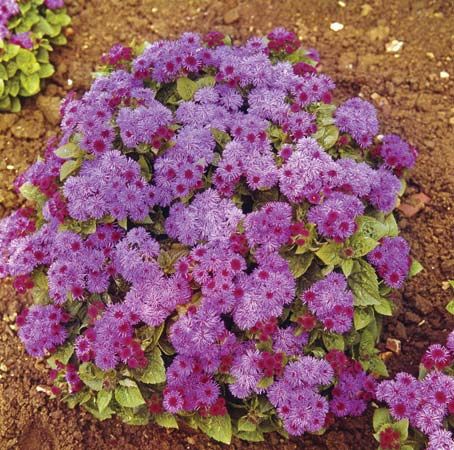
Ageratum is a genus comprising approximately 40 species of herbs belonging to the Asteraceae family. These plants are native to the Americas, specifically Mexico and tropical South America, and can grow as either annuals or perennials.1
Key characteristics include:
- Foliage: They feature toothed, ovate leaves that are arranged in an opposite pattern along the stem.1
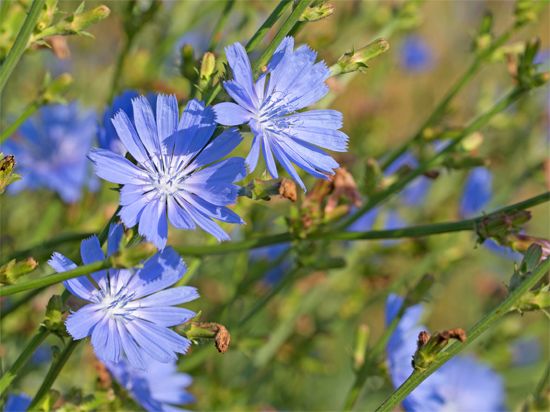
- Flowers: Like other members of their family, they produce composite flower heads consisting of discoid flowers in shades of blue, pink, lilac, or white.1
- Reproduction: The plants produce small, dry fruits containing minute seeds.1
The most well-known species is the floss flower (A. houstonianum), which is widely cultivated as an ornamental annual. Dwarf varieties of this species are frequently utilized in gardening as edging plants.1
What are the main characteristics of the Asteraceae plant family?
The Asteraceae family, commonly known as the aster, daisy, or composite family, is one of the largest families of angiosperms, comprising over 1,620 genera and 25,000 species of herbs, shrubs, and trees distributed globally.23
Key Characteristics
- Composite Inflorescences: The most defining feature is the grouping of flowers into compact heads that resemble individual flowers. These heads are often surrounded by an involucre of small, modified leaves called bracts.4
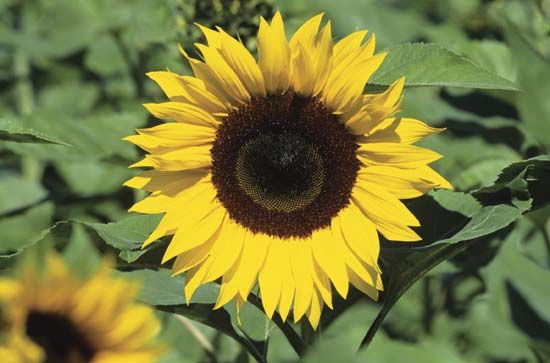
- Floral Structure: The “petals” of many species, such as daisies or sunflowers, are actually individual ray flowers. The family is categorized by the types of flowers in their heads:
- Fruit and Calyx: They produce one-seeded achene fruits.4 The calyx is highly modified into a structure called the pappus, which may consist of scales, awns, or bristles.4
- Pollination: Most members utilize a “plunger” or secondary pollination mechanism, where the style pushes pollen out of an anther tube to be collected by insects.5
How do annual plants differ from perennial plants?
The primary difference between annual and perennial plants lies in the duration of their life cycles and their ability to survive across multiple growing seasons.
Annual Plants
Annuals complete their entire life cycle—from germination to flowering and seed production—within a single growing season. Once the plant produces seeds, it dies, and the seed is the only part that survives to the next season. These plants are typically herbaceous and include many common vegetables, cereal grains, and garden flowers.78
Perennial Plants
Perennials are plants that persist for several years, regrowing and reblooming year after year. While woody plants like trees and shrubs are always perennials, many herbaceous perennials also exist. In cold climates, these herbaceous plants often survive the winter by dying back to the ground, while their underground structures—such as bulbs, rhizomes, or tubers—remain alive to produce new growth in the following season.9108
What are some tips for growing ornamental flowers in a garden?
Growing ornamental flowers requires careful planning and consistent maintenance to ensure a healthy, vibrant display. Here are some essential tips for managing your garden:
Planning and Design
- Start with Structure: Permanent features like trees and shrubs should be the foundation of your garden. Choose species that are appropriate for the size of your space when they reach maturity.11
- Create Variety: Combine different plant types, such as herbaceous perennials, annuals, and bulbs, to provide color throughout the seasons. Mixed borders often require less maintenance than purely herbaceous ones.11
- Embrace Simplicity: In smaller gardens, avoid overcrowding. An austere design with a few well-placed plants can be more effective than a cluttered display.12
Maintenance and Care
- Watering: Provide deep, thorough watering rather than light surface sprinkling. About one inch of water per week encourages deep root growth, helping plants survive dry conditions.13
- Soil Health: Use compost or manure to enrich the soil. If using mineral fertilizers, apply them in moderation and balance according to specific soil needs.13
- Mulching: Applying a surface layer of organic matter helps conserve moisture, suppress weeds, and provide nutrients.13
Pest and Disease Control
Sources
- Ageratum — Encyclopædia Britannica
- Asteraceae — Encyclopædia Britannica
- Asteraceae - Economic importance — Encyclopædia Britannica
- list of plants in the family Asteraceae — Encyclopædia Britannica
- Asteraceae - Flowers — Encyclopædia Britannica
- Asteraceae - Pollination — Encyclopædia Britannica
- Is That Plant 'Perennial' or 'Annual'? — Merriam-Webster
- Perennial — Encyclopædia Britannica
- Annual — Encyclopædia Britannica
- Plant - Classification of angiosperms — Encyclopædia Britannica
- gardening - Flower gardens — Encyclopædia Britannica
- gardening - Control of pests and diseases — Encyclopædia Britannica
- horticulture - Pest control — Encyclopædia Britannica
- gardening - Types of gardens — Encyclopædia Britannica
- horticulture - Herbaceous perennials — Encyclopædia Britannica
- gardening - Feeding: fertilizing and watering — Encyclopædia Britannica
Published on · 3 min read