Bedding Plant
A bedding plant is any plant typically grown in quantity within a greenhouse or similar environment, intended for transplanting into outdoor settings such as…
What is Bedding plant?
A bedding plant is any plant typically grown in quantity within a greenhouse or similar environment, intended for transplanting into outdoor settings such as flower gardens, window boxes, or hanging baskets.1
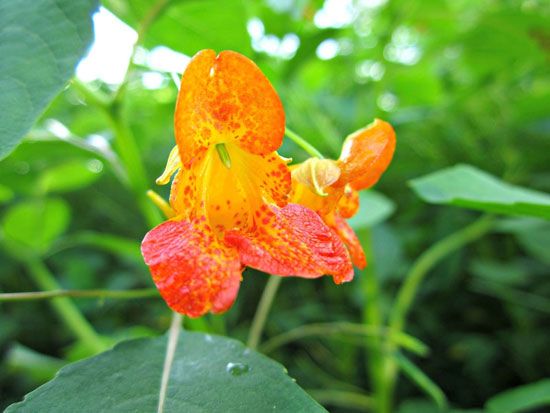
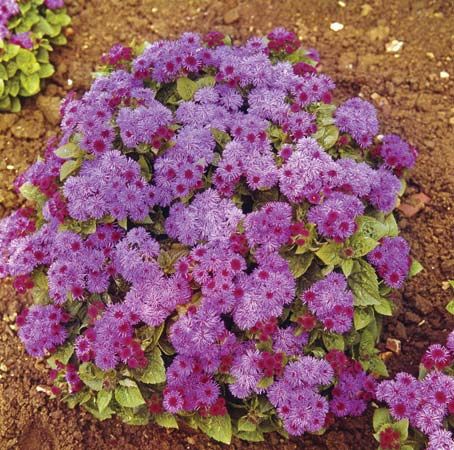
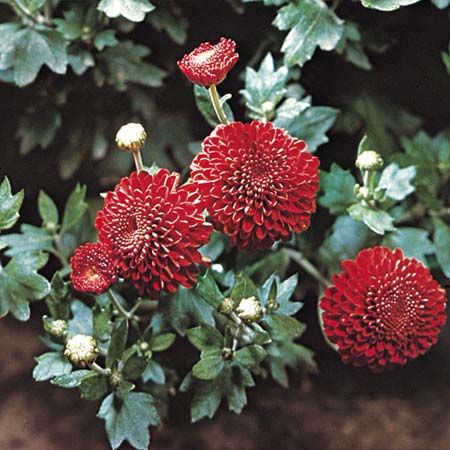
Most of these plants are annuals that are moved outdoors once the threat of frost has passed. They are frequently grouped together to create a significant visual impact in landscapes. Common examples of bedding plants include:1
What is the difference between annuals and perennials?
The primary difference between annuals and perennials lies in the duration of their life cycles.
- Annuals are plants that complete their entire life cycle—from germination to seed production—within a single growing season. Once the season ends, the plant dies, and only the seeds typically survive to produce the next generation. Common examples include marigolds, zinnias, and many major food crops like corn and wheat.23
- Perennials are plants that persist for several years. While their aboveground growth may die back in autumn, they regrow and rebloom year after year from surviving structures like roots, bulbs, or rhizomes. This category includes all trees and shrubs, as well as many garden favorites like chrysanthemums and dahlias.24
In short, if you want plants that return automatically each year, perennials are the standard choice, whereas annuals require replanting each season.2
Why do gardeners use greenhouses to start these plants?
Gardeners use greenhouses to start plants because these structures provide a controlled environment that protects tender or out-of-season plants from hostile weather conditions, such as excessive cold or heat. By regulating temperature, humidity, and light, gardeners can extend the growing season, allowing them to start seeds in early spring for later transplanting into the garden.5678
Key reasons for using greenhouses include:
- Temperature Regulation: Greenhouses can be heated and monitored via thermostats to ensure plants remain within their specific tolerance levels, preventing damage from frost or freezing temperatures.68
- Environmental Control: Beyond temperature, growers can manage carbon dioxide levels, soil moisture, and ventilation to optimize plant health.67
- Light Management: The transparent or translucent walls allow for natural solar radiation, which is essential for photosynthesis. Gardeners can also use supplemental lighting or shading to manipulate day length, which helps control flowering cycles.967
These structures range from simple cold frames and hotbeds to sophisticated, automated facilities, all designed to provide the stability that nature often cannot guarantee in open fields.67
What are some popular flowers used for mass planting?
For mass planting, gardeners frequently utilize bedding plants, which are typically grown in large quantities to create a significant visual impact in flower gardens, window boxes, or outdoor planters.1
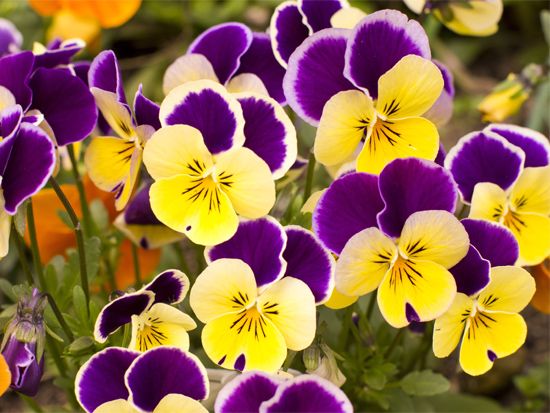
Most of these plants are annuals, chosen for their ability to provide consistent color throughout the growing season. Popular choices for mass planting include:
While perennials—such as chrysanthemums, hollyhocks, and phlox—can also be used in garden displays, they are generally less common for mass planting than annuals because they have a more limited flowering period and require maintenance throughout the entire season.10
Sources
- Bedding plant — Encyclopædia Britannica
- Is That Plant 'Perennial' or 'Annual'? — Merriam-Webster
- Annual — Encyclopædia Britannica
- Perennial — Encyclopædia Britannica
- greenhouse — Encyclopædia Britannica
- horticulture - Light control — Encyclopædia Britannica
- Agricultural technology - Greenhouses — Encyclopædia Britannica
- horticulture - Structures — Encyclopædia Britannica
- gardening - Protecting plants — Encyclopædia Britannica
- horticulture - Herbaceous perennials — Encyclopædia Britannica
Published on · 2 min read