Agrihan
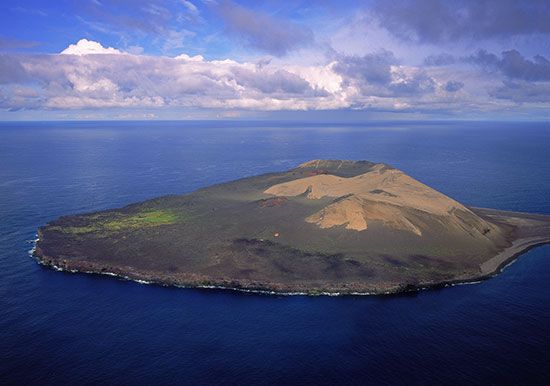
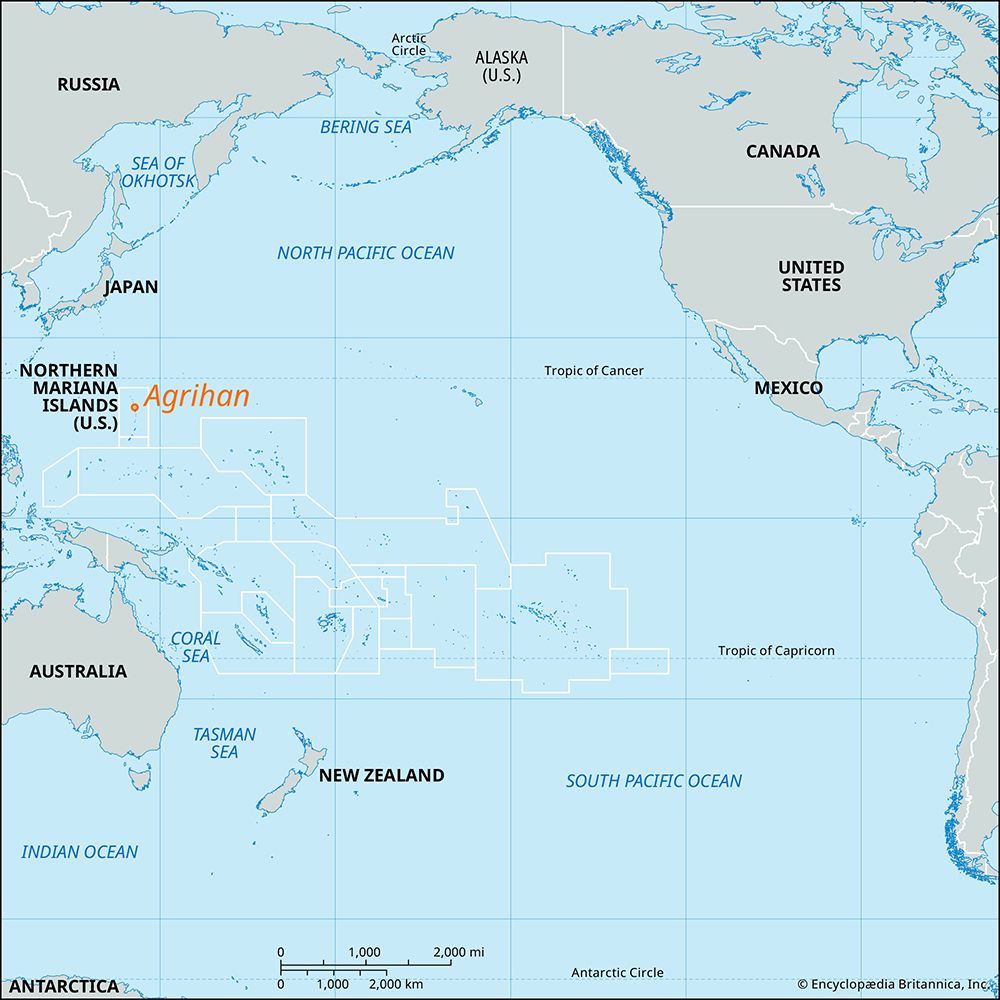
Agrihan is an island located in the western Pacific Ocean and is part of the Northern Mariana Islands, a commonwealth of the United States.
What is Agrihan?
Agrihan is an island located in the western Pacific Ocean and is part of the Northern Mariana Islands, a commonwealth of the United States.1
Spanning 18 square miles, the island is dominated by an active volcano that reaches 3,166 feet (965 meters), marking the highest point in the commonwealth. Historically, it served as the site of the last stand made by the indigenous Chamorro people against Spanish occupation in the late 17th century.1
While the island contains fertile highlands and phosphate deposits, it is sparsely populated today. Residents were evacuated in 1990 due to the threat of volcanic activity, and despite government efforts to encourage resettlement, only a small number of people had returned by the early 21st century. Together with other nearby islands, it forms a municipal council known as the Northern Islands.1
Who are the Chamorro people?
The Chamorro are the Indigenous people of Guam and the Northern Mariana Islands. Their ancestors are believed to have migrated to the Mariana Islands from insular Southeast Asia—specifically Indonesia and the Philippines—around 1600 BCE.2
Historically, the Chamorro population was severely impacted by Spanish colonization, which began in 1668. Through the Chamorro wars, forced religious conversion to Roman Catholicism, and the introduction of foreign diseases, the population plummeted from an estimated 50,000–100,000 in the early 17th century to approximately 1,000 by 1820. During this era, the Spanish forcibly relocated the native population to Guam.234
Today, the Chamorro people are predominantly Roman Catholic, and their culture reflects a blend of indigenous roots with Spanish, Mexican, Filipino, and American influences. The Chamorro language remains a distinct language with its own grammar and vocabulary, spoken by over 61,000 people.352
How do volcanic eruptions affect island life?
Volcanic eruptions significantly shape island life through both immediate destruction and long-term ecological renewal.
Immediate Hazards
Eruptions present numerous dangers to island communities, including lava flows, pyroclastic flows, tsunamis, and toxic gas clouds. Ash falls can cause widespread crop failure and collapse roofs, leading to secondary crises like famine and disease. Furthermore, eruptions can influence climate by injecting sulfuric acid aerosols into the stratosphere, potentially lowering global temperatures.789
Ecological Succession
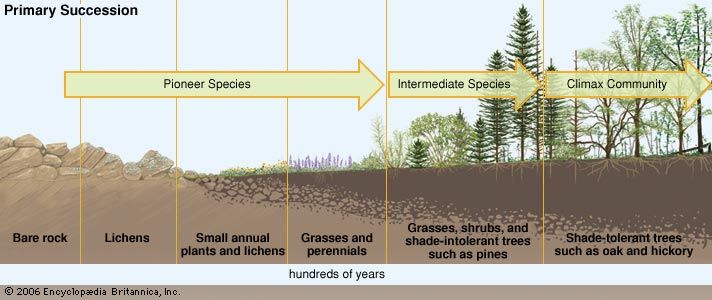
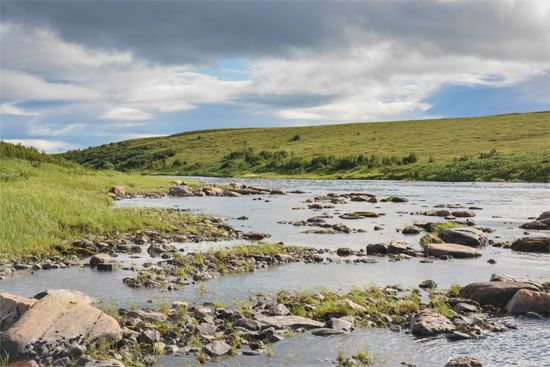
While destructive, volcanic activity is a fundamental driver of island evolution. On barren, lava-sterilized landscapes, primary succession begins as pioneer species—such as lichens and grasses—colonize the area. Over time, these organisms build soil, allowing more complex ecosystems to develop. Eventually, the decomposition of nutrient-rich volcanic fallout creates some of the world’s most fertile soils, which can support dense human populations and diverse biological communities.1089
What are the other islands in the Northern Mariana chain?
The Northern Mariana Islands consist of 14 islands and islets in the western Pacific Ocean. While Saipan, Tinian, and Rota are the most prominent, the chain includes several other islands and volcanic features.134
The inhabited islands of the commonwealth, in addition to the three mentioned above, include:
- Anatahan
- Alamagan
- Agrihan
Other notable islands and volcanic features within the chain include:
- Pagan (evacuated in 1981 due to a volcanic eruption)
- Asuncion
- Farallon de Pajaros
These islands are part of a larger island arc that also includes the politically separate island of Guam to the south.134
Sources
- Agrihan — Encyclopædia Britannica
- Chamorro — Encyclopædia Britannica
- Chamorro — Merriam-Webster
- Mariana Islands — Encyclopædia Britannica
- Northern Mariana Islands - Spanish colonial rule — Encyclopædia Britannica
- Northern Mariana Islands - People — Encyclopædia Britannica
- volcano - Ash falls — Encyclopædia Britannica
- volcano - Lava , gas, and other hazards — Encyclopædia Britannica
- volcano - Volcano forecasting and warning — Encyclopædia Britannica
- volcano - Long-term environmental effects — Encyclopædia Britannica
- community ecology - Biogeographic aspects of diversity — Encyclopædia Britannica
- primary succession — Encyclopædia Britannica
- Northern Mariana Islands — Encyclopædia Britannica
Published on · 2 min read