Pioneer Species
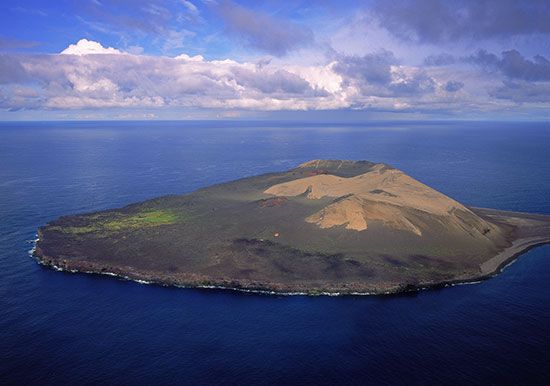
Pioneer species are the first organisms to colonize barren or recently disturbed environments during primary succession and secondary succession. These…
What are pioneer species in ecology?
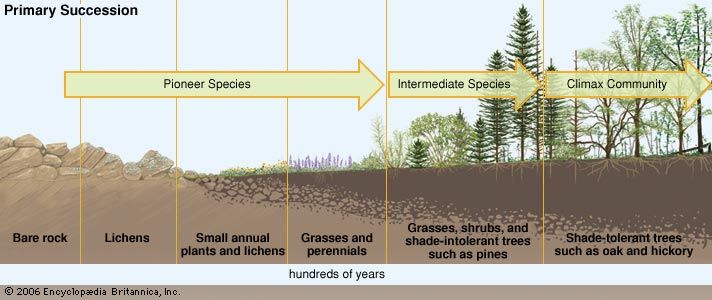
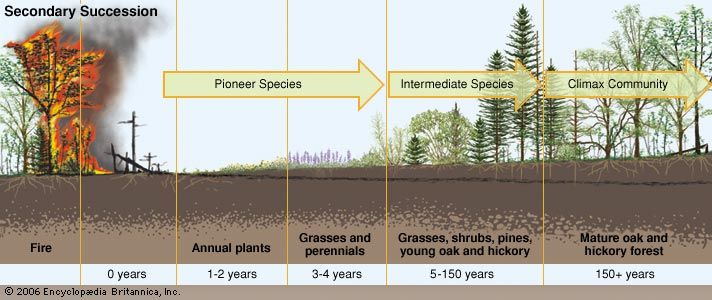
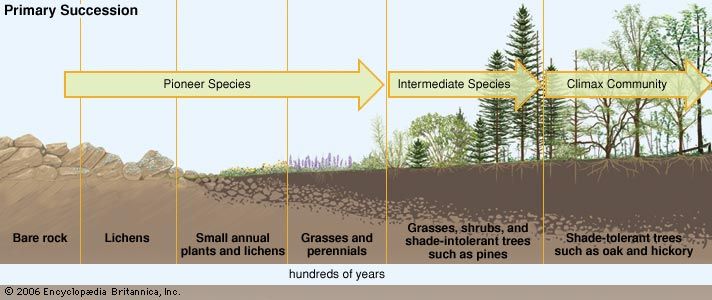
Pioneer species are the first organisms to colonize barren or recently disturbed environments during primary succession and secondary succession. These species, which include lichens, mosses, fungi, and various bacteria, are characterized by their ability to grow, mature, and reproduce rapidly.12
Because they often inhabit areas with little to no soil, pioneer species have evolved specific adaptations to survive in harsh conditions. They produce large numbers of offspring and are highly efficient at dispersing via wind or water. By breaking down rock and adding organic matter to the environment through their life cycles, they gradually improve soil fertility and structure.12
However, these species are typically sun-loving and have short life spans. As the biological community becomes more complex, larger, taller-growing plants eventually arrive and outcompete the pioneers for sunlight, leading to their local decline as the ecosystem advances toward a stable climax state.12
Why are pioneer species important for new or damaged ecosystems?
Pioneer species are essential to the development of ecosystems because they act as the primary architects of a habitable environment. In barren or disturbed areas, these organisms—such as lichens, mosses, and bacteria—are the first to establish a biological community by surviving in harsh, nutrient-poor conditions.1
Their importance lies in their ability to transform the landscape:
- Soil Formation: By releasing acids that break down rock and contributing organic matter through their decomposition, they create the foundational soil necessary for more complex life to take root.1
- Nutrient Enrichment: They improve soil fertility by fixing nitrogen and adding carbon to the environment.1
- Habitat Preparation: By aerating the soil and processing organic material, they prepare the substrate for intermediate species, such as grasses and ferns, which eventually lead to a stable climax community.13
Without these resilient “weedy species,” the transition from a sterile or damaged landscape to a thriving, diverse ecosystem would be impossible.1
What are some common examples of pioneer species?
Pioneer species are the first organisms to colonize barren or disturbed environments, playing a critical role in initiating ecological succession. Common examples include:
- Microorganisms: Bacteria are often the very first to arrive, colonizing substrates like bare rock or the surface of glaciers.1
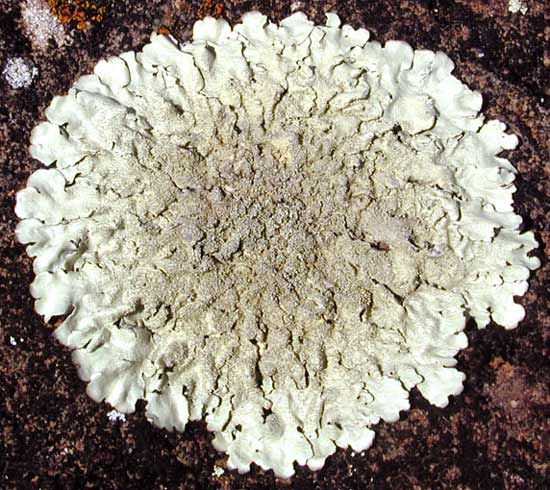
- Lichens: Formed from a symbiotic relationship between fungi and algae, these are essential for breaking down rock and beginning the process of soil formation.1
- Mosses: These plants contribute to soil development by producing acids that fragment rock surfaces.1
- Weedy Plants: Species such as grasses and ferns often arrive as the environment becomes more hospitable, taking root in the soil created by earlier pioneers.1
- Invertebrates: Early animal pioneers, including ants, worms, and snails, help process organic material and aerate the developing soil.1
These species are highly efficient at dispersing and reproducing, allowing them to thrive in harsh conditions before being replaced by more competitive, intermediate species.13
How do pioneer species help prepare an area for other plants and animals?
Pioneer species are vital to the development of ecosystems because they transform barren or disturbed environments into habitats capable of supporting more complex life. By colonizing areas like bare rock or glacial surfaces, they initiate the process of ecological succession through several key actions:ecological succession](https://www.britannica.com/science/ecological-succession) through several key actions:1
- Soil Formation: Pioneer species such as lichens and mosses release acids that chemically break down rock surfaces. When these organisms die, their decomposing organic matter mixes with the fragmented rock to create the foundational soil required for other plants to take root.14
- Nutrient Enrichment: These species improve soil fertility by fixing nitrogen and adding carbon to the environment, which provides essential nutrients for future vegetation.1
- Habitat Modification: Early animal pioneers, including invertebrates like ants, worms, and snails, further prepare the area by processing plant material and aerating the soil.1
As these pioneers build a simple biological community, they create a substrate that allows more complex species to establish themselves, eventually leading to a stable, mature ecosystem.1
Sources
- pioneer species — Encyclopædia Britannica
- primary succession — Encyclopædia Britannica
- secondary succession — Encyclopædia Britannica
- moss — Encyclopædia Britannica
Published on · 4 min read