Agusan River
The Agusan River is the longest river on the island of Mindanao in the Philippines.
What is the geographical location and length of the Agusan River in the Philippines?
The Agusan River is the longest river on the island of Mindanao in the Philippines.1
It originates in the southeast and flows northward for a total length of 240 miles (390 km) before emptying into Butuan Bay, which is part of the Bohol Sea. The river carves out a fertile valley that spans 40 to 50 miles (65–80 km) in width, situated between the Central Mindanao Highlands to the west and the Pacific Cordillera to the east.1
What are the main economic activities supported by the Agusan River?
The Agusan River serves as a vital artery for several economic activities in the region, primarily centered on its natural resources and agricultural potential:
- Forestry and Logging: The river’s swampy middle course supports a significant forest industry. Historically, this area has been a hub for lumberjacks and traders who operate from large log rafts anchored along the riverbanks.1
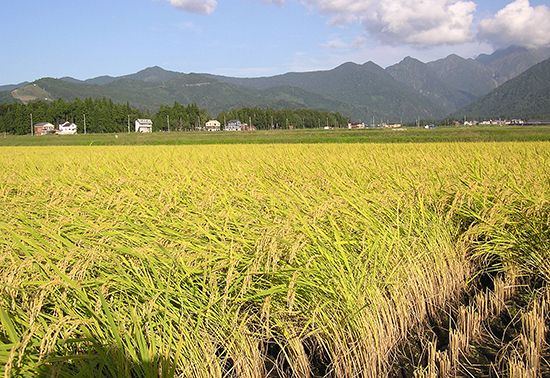
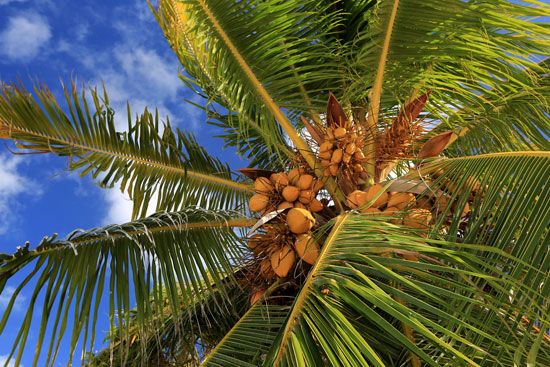
- Agriculture: The fertile valley surrounding the river supports extensive plantations. Rice is the primary food crop, while coconuts serve as the main cash crop. The region also produces bamboo and a variety of fruits.1
- Transportation: The river is navigable for 160 miles (260 km) by small craft. Before the completion of road networks in the 1960s, it served as the essential access route for trade and travel into the interior of the region.1
- Subsistence Activities: Beyond commercial farming and forestry, the river supports local livelihoods through subsistence fishing and general farming practices.1
What is the historical significance of the Agusan River in Philippine culture and development?
The Agusan River has been central to the development of northern Mindanao for centuries, serving as both a vital trade corridor and a cultural crossroads.
Historical Significance
- Early Trade and Settlement: The river’s mouth at Butuan was a major hub for early maritime trade. Ships from Borneo and Luzon frequented the area to trade for gold, cinnamon, and enslaved people, establishing the region as a significant commercial center long before the colonial era.1
- Colonial Influence: The area saw early Spanish contact and the establishment of a Jesuit mission station in the late 16th century, marking the beginning of sustained missionary activity in the valley.21
- Access to the Interior: Until the completion of road networks in the 1960s, the Agusan River was the sole access route to the island’s interior. Its navigability for 160 miles allowed for the expansion of the timber industry and the movement of goods and people.2
- Cultural Landscape: The valley remains home to diverse indigenous groups, including the Magahat, Mamanua, Manobo, Higahon, Mandaya, and Bagobo. The influx of immigrant laborers and the growth of the logging industry have historically influenced the settlement patterns of these groups.2
How is the Agusan River used for transportation and trade in the region?
The Agusan River has historically served as the primary artery for transportation and trade in the region, particularly before the development of modern road infrastructure.
Transportation and Navigability
The river is navigable for 160 miles (260 km) by small craft, which made it the sole access route to the interior of the region until the early 1960s. During that decade, the completion of a road linking Butuan to Davao City significantly changed regional connectivity.1
Trade and Economic Activity
The river facilitates trade through several key industries:
- Forestry: The swampy middle course of the river is a hub for the forest industry. Merchants and lumberjacks have historically lived on large log rafts anchored to trees along the banks to manage the transport of timber.1
- Agriculture: The lower course of the river supports extensive plantations. These areas produce rice, which is the leading food crop, as well as coconuts, which serve as the primary cash crop. Bamboo and various fruits are also cultivated and traded.1
- Subsistence: Beyond commercial trade, the river supports local livelihoods through subsistence fishing and general farming.1
Sources
- Agusan River — Encyclopædia Britannica
- Butuan — Encyclopædia Britannica
- Mindanao — Encyclopædia Britannica
Published on · 3 min read