Al-Kalb River
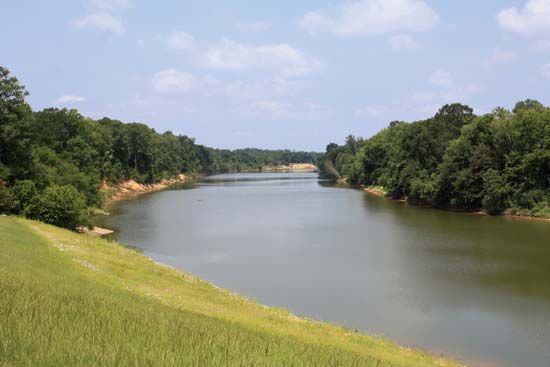
The Al-Kalb River in west-central Lebanon is approximately 19 miles (30 km) in length.
How long is the Al-Kalb River and what are its main tributaries?
The Al-Kalb River in west-central Lebanon is approximately 19 miles (30 km) in length.1
Regarding your question about its main tributaries, the provided information does not contain details regarding the river’s specific tributaries. It does note, however, that the river is seasonal, and during the summer months, its sole source is a spring located at the Jeita Cave.1
Are there any notable archaeological sites or monuments along the banks of the Al-Kalb River?
The banks of the Al-Kalb River are home to a significant collection of historical monuments and inscriptions that document the region’s long history, dating back to the Paleolithic era.1
These sites include:
- Right Bank: Features inscriptions commissioned by Nebuchadrezzar II, the king of the Neo-Babylonian Empire.1
- Left Bank: Contains various stelae commemorating the victories of several historical figures, including:
Additionally, the site features more modern historical commentary in French and English, with records dating as recently as 1946.1
Are there any legends or myths associated with the Al-Kalb River in Lebanese folklore?
Sorry, the Britannica knowledge base does not contain information regarding legends or myths associated with the Al-Kalb River in Lebanese folklore.
What is the historical significance of the Al-Kalb River in Lebanese culture and civilization?
The Al-Kalb River holds profound historical significance as a living archive of human civilization. Its ravine has been inhabited since the Paleolithic era, serving as a strategic passage that attracted conquerors and rulers for millennia.1
The river is most famous for the collection of commemorative stelae carved into its rock faces, which document the military victories and presence of successive empires. These inscriptions include:
- Ancient Near East: Hieroglyphics commissioned by the Egyptian pharaoh Ramses II, Assyrian records by King Esarhaddon, and Neo-Babylonian inscriptions by Nebuchadrezzar II.1
- Classical and Medieval Periods: Latin inscriptions from the era of Emperor Marcus Aurelius and Arabic records from the reign of the Mamluk sultan az-Zahir Sayf ad-Din Barquq.1
- Modern Era: The site continued to serve as a historical record into the 20th century, featuring French and English commentaries on regional affairs as recently as 1946.1
Beyond its role as a monument, the river supports diverse agriculture, ranging from coastal citrus and bananas to highland olives and grains, anchoring the economic life of the region.1
Sources
- Al-Kalb River — Encyclopædia Britannica
Published on · 2 min read