Alberta Basin
The Alberta Basin is a vast, petroleum-rich sedimentary basin situated along the eastern edge of the Rocky Mountains in western Canada. Geographically, it…
What is the Alberta Basin and where is it located in Canada?
The Alberta Basin is a vast, petroleum-rich sedimentary basin situated along the eastern edge of the Rocky Mountains in western Canada. Geographically, it spans across British Columbia, Alberta, and Saskatchewan, extending into Manitoba.1
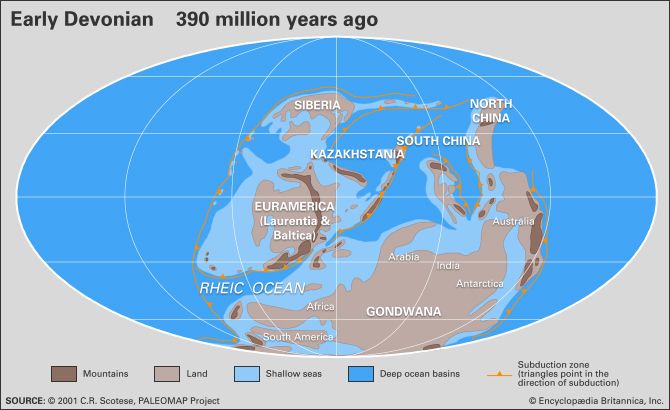
Formed during the Devonian Period as the Earth’s crust subsided, the basin accumulated marine sediments and reefs over millions of years. Subsequent geological processes, including intense heat and pressure, transformed buried organic matter into significant deposits of oil and natural gas. The basin also contains other valuable resources, such as coal, potash, and salt. Today, the region serves as the primary source for Canada’s fossil fuel production, playing a critical role in the national economy.12
What are the main geological features and rock formations found in the Alberta Basin?
The Alberta Basin is a significant sedimentary basin characterized by a complex history of marine deposition and tectonic activity. Its geological features and rock formations include:
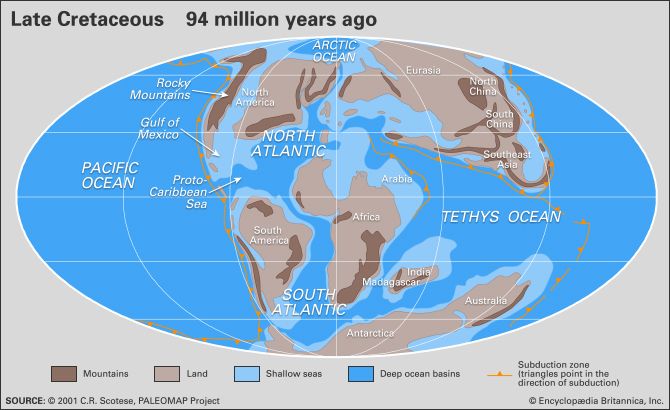
- Marine Sedimentary Deposits: Beginning in the Devonian Period, the basin accumulated thick layers of marine sediments as the region was repeatedly submerged by ancient seas until the late Cretaceous Period.1
- Reef Complexes: Large reefs composed of marine fossils and algae formed along the basin’s margins. These porous limestone reef remnants are critical geological features, as they serve as reservoirs for oil and natural gas.13
- Structural Traps: The folding and faulting of rock layers, which occurred during the formation of the Rocky Mountains, created structural traps that facilitated the accumulation of petroleum.1
- Exposed Formations: Following regional uplift approximately 65 million years ago, sedimentation ceased and erosional forces exposed various basin deposits. In some areas, such as the Red Deer River valley, these processes have created badlands known for rich fossil deposits.14
How has the Alberta Basin influenced the economic development of the province of Alberta?
The Alberta Basin has been the primary driver of Alberta’s transition from an agrarian society to an industrial powerhouse. By containing the vast majority of Canada’s known fossil fuels, the basin has fundamentally shaped the province’s economic trajectory.25
Key influences include:
- Resource Wealth: The basin’s extensive deposits of natural gas, crude oil, and oil sands—particularly in regions like Fort McMurray—provide the foundation for Alberta’s energy sector.25
- Industrial Growth: Post-World War II discoveries of oil and gas fueled rapid expansion in the construction and manufacturing sectors. This industrial boom transformed the province, drawing significant migration and contributing to the growth of major urban centers like Edmonton and Calgary.15
- Economic Sensitivity: Because the economy is so heavily tied to these resources, it remains highly susceptible to fluctuations in global petroleum prices.25
- Diversified Extraction: Beyond oil and gas, the basin supports the extraction of coal, salt, and sulfur, further diversifying the province’s resource-based revenue.26
How was the Alberta Basin formed geologically?
The Alberta Basin was formed through a long-term geological process that began during the Devonian Period, approximately 415 to 360 million years ago. The basin originated when the Earth’s crust subsided along the continental side of the rising Rocky Mountains.1
Following this initial subsidence, the region was intermittently covered by seas until the late Cretaceous Period. During this time, marine sediments accumulated in the basin’s depths, while large reefs composed of algae and marine fossils developed along its margins. Over millions of years, organic matter trapped within these sediment layers was subjected to intense heat and pressure, eventually transforming into oil and natural gas.1
The basin’s final structural character was heavily influenced by the Laramide orogeny, a series of mountain-building events that caused significant folding and faulting of the rock layers. These structural traps were essential for the accumulation of petroleum resources. Approximately 65 million years ago, regional uplift halted further sedimentation and exposed the basin’s deposits to ongoing erosional forces.17
Sources
- Alberta Basin — Encyclopædia Britannica
- Alberta - Resources and power — Encyclopædia Britannica
- Alberta - Relief, drainage, and soils — Encyclopædia Britannica
- Devonian Period - North America — Encyclopædia Britannica
- Alberta - History of Alberta — Encyclopædia Britannica
- Alberta: Top Questions — Encyclopædia Britannica
- Laramide orogeny — Encyclopædia Britannica
Published on · 3 min read