Alborz Mountains
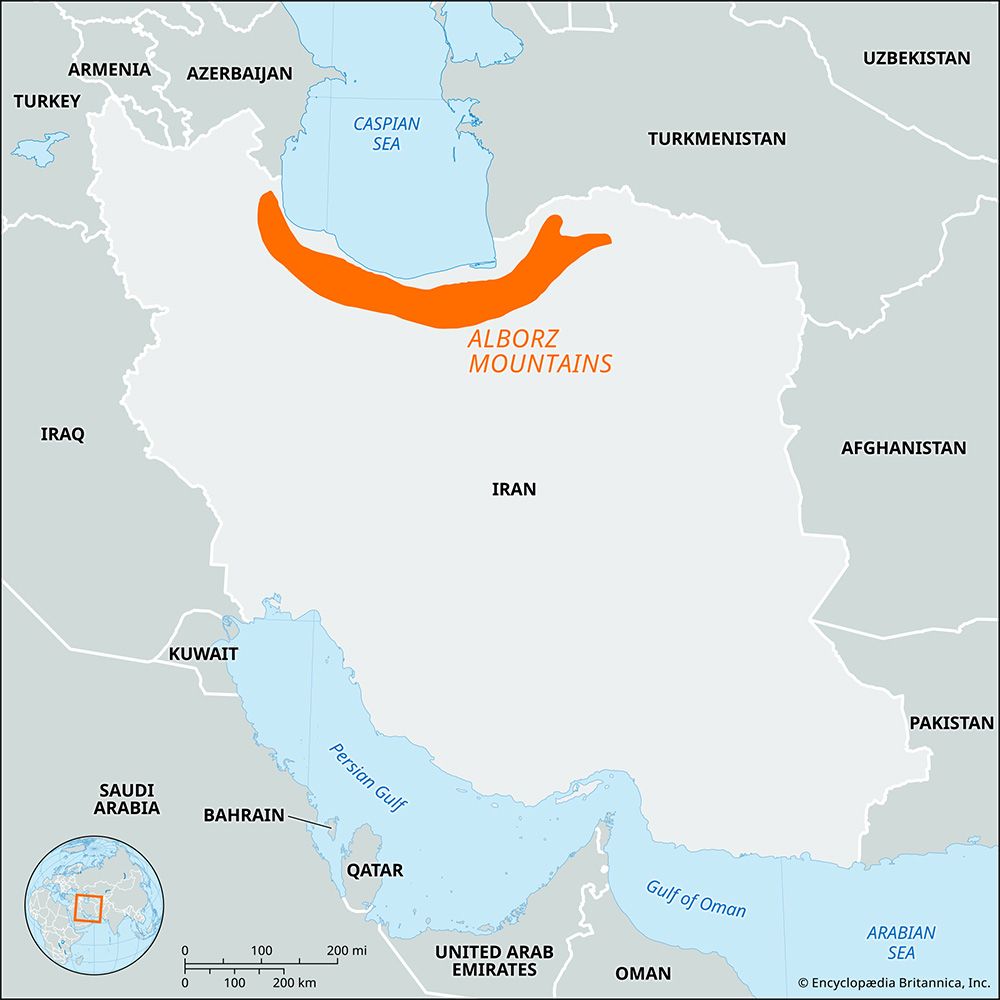
The Alborz Mountains serve as a vital geographical and economic pillar for modern-day Iran. Their impact is felt across several key sectors:
How do the Elburz Mountains impact modern-day Iran in terms of agriculture, tourism, and natural resources?
The Alborz Mountains serve as a vital geographical and economic pillar for modern-day Iran. Their impact is felt across several key sectors:
Agriculture and Climate
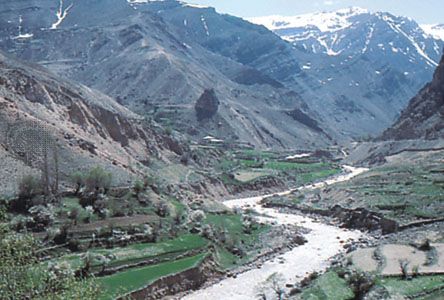
The range acts as a climatic barrier, trapping moisture from the Caspian Sea and creating a fertile, semitropical northern region characterized by lush forests and rice paddies. While the southern slopes remain arid, the mountains provide essential water resources; rivers originating in the range are harnessed by major dams, such as the Sefid Rūd, Karaj, and Jajrud, to support irrigation for grain cultivation and supply water to the growing population of Tehran.12
Natural Resources
The mountains contain significant natural wealth, including over 8,000,000 acres of forests, a portion of which is commercially exploited for timber. The region also hosts coal mines and deposits of iron and other ores, alongside the critical generation of hydroelectric energy.2
Tourism and Settlement
The mountains influence social geography, with the northern foothills historically serving as preferred residential areas due to their cooler climate. Today, the range remains a defining cultural and physical landmark, offering diverse landscapes that support both traditional settlements and modern transit routes.32
What role have the Elburz Mountains played in Iranian history and culture?
The Alborz Mountains (often spelled Elburz) serve as a defining landmark in Iranian history and culture, acting as both a physical barrier and a cradle for settlement.
Historical Significance
For millennia, the range has influenced the development of Iranian civilization. Its location along the historic Silk Road ensured that the foothills, particularly where modern-day Tehran sits, became vital hubs for trade and long-term human habitation. Historically, the mountains provided a rugged landscape that sheltered various communities, including those in districts like Alamut, which is famously associated with historical fortifications.14
Cultural and Mythological Role
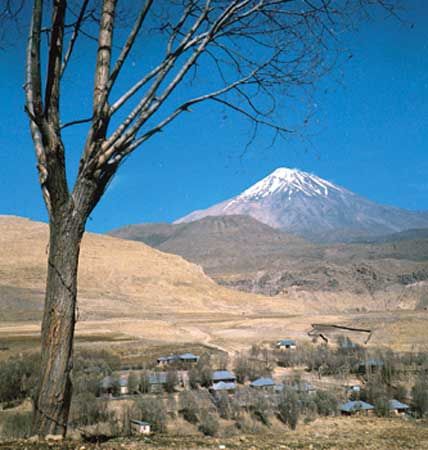
The mountains hold a prominent place in Persian lore. The most iconic feature, Mount Damavand, is an extinct volcano that dominates the landscape. It is deeply embedded in Persian legends, including myths that identify it as the resting place of Noah’s ark. As the highest peak in Iran, it remains a powerful symbol of national identity and endurance.546
How have the Elburz Mountains influenced the development of nearby cities, such as Tehran?
The Alborz Mountains have profoundly shaped the development and character of nearby cities, most notably Tehran.
Climatic and Geographic Influence
The range acts as a significant climatic barrier, preventing moisture from the Caspian Sea from reaching the southern slopes. This creates a stark contrast between the humid north and the arid conditions of the Iranian plateau where Tehran is situated. This juxtaposition of mountains and desert has historically influenced the city’s social geography; historically, the affluent population favored the cooler, tree-lined northern foothills for summer residences, while the southern areas remained hotter and dustier.31
Urban Development and Challenges
Tehran’s location at the foot of the mountains and along the historic Silk Road ensured its status as a major center for settlement for millennia. However, the mountains also contribute to modern environmental challenges. The range traps pollutants generated by motor vehicles and industry within a dome of hot air, as the surrounding topography and limited precipitation prevent the effective dispersal of atmospheric waste. Additionally, the mountains are critical for the city’s infrastructure, providing essential water through dams like the Karaj and Jajrud, which are vital for supplying the growing population.5831
What are some popular outdoor activities and attractions in the Elburz Mountains?
The Alborz Mountains offer a variety of outdoor activities and natural attractions, largely defined by their dramatic topography and climatic diversity.
Popular Outdoor Activities and Attractions
- Mountaineering and Hiking: The range is a premier destination for climbers and hikers. Mount Damavand, an extinct volcano and the highest peak in Iran, is a major draw for experienced mountaineers. Its iconic, snowcapped cone and surrounding fumaroles and hot springs provide a unique high-altitude experience.14
- Skiing and Winter Sports: The Tochal ridge, which overlooks Tehran, is a highly popular recreation site. It is easily accessible from the city via a series of cable cars, making it a convenient destination for skiing and winter sports enthusiasts.10
- Scenic Exploration: The mountains feature diverse landscapes, ranging from the lush, humid Hyrcanian forests on the Caspian slopes to the arid, steppe-like terrain of the southern side. Travelers can explore various gorges and mountain passes, such as the Kandovan and Gaduk passes, which offer passage between the Caspian region and the inland plateau.1
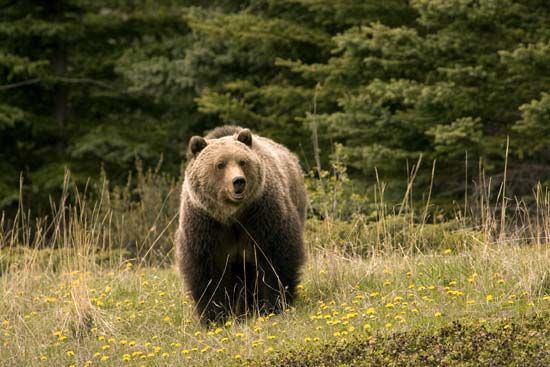
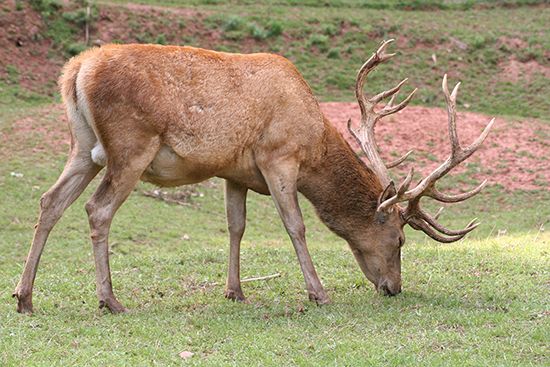
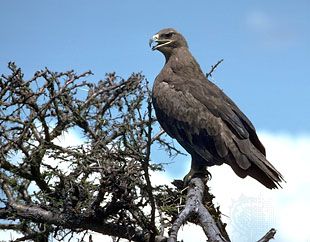
- Nature and Wildlife Viewing: The region is home to diverse wildlife, including leopards, lynx, bears, and various species of deer. Birdwatchers may spot eagles and pheasants in the mountain habitats.1
Sources
- Alborz Mountains — Encyclopædia Britannica
- Iran - Climate — Encyclopædia Britannica
- Tehran - Climate — Encyclopædia Britannica
- Mount Damāvand — Encyclopædia Britannica
- Tehran: Top Questions — Encyclopædia Britannica
- Damavand — Merriam-Webster
- Iran - Relief of Iran — Encyclopædia Britannica
- Tehran - City site — Encyclopædia Britannica
- Tehran - City origins — Encyclopædia Britannica
- Tehran - Cultural life — Encyclopædia Britannica
Published on · 4 min read