Alerce
The alerce (Fitzroya cupressoides) is a long-lived, slow-growing coniferous tree belonging to the cypress family (Cupressaceae). Native to southern Chile and…
What is Alerce?
The alerce (Fitzroya cupressoides) is a long-lived, slow-growing coniferous tree belonging to the cypress family (Cupressaceae). Native to southern Chile and Argentina, it is the sole species in the genus Fitzroya, which is named after the English naval commander Robert Fitzroy.123
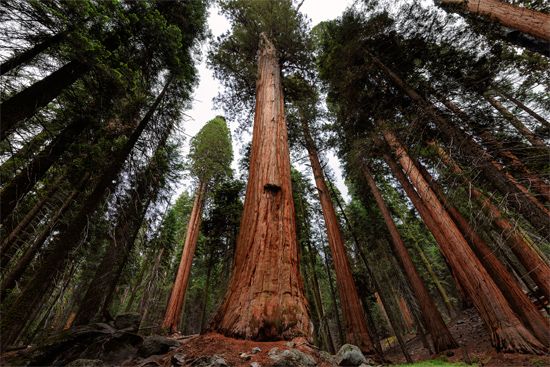
Often considered a southern relative of the North American giant sequoia, the alerce is among the oldest and largest trees on Earth, with some specimens estimated to be approximately 4,000 years old. In its native habitat, the tree can reach heights of 45 meters (about 150 feet) with a trunk diameter exceeding 3 meters. It is characterized by small, narrow leaves arranged in whorls of three and produces durable, reddish-brown wood that is highly valued for construction. The term is also occasionally used to refer to the wood of the sandarac tree found in Morocco.12
How does the Alerce compare to the giant sequoia?
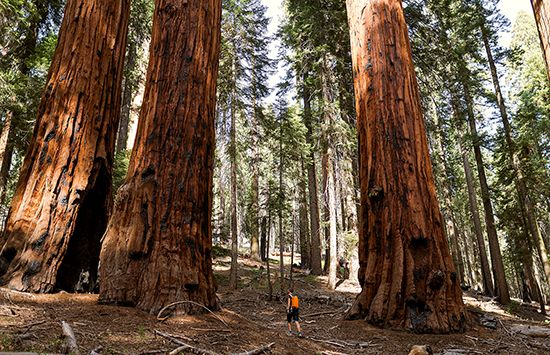
The alerce (Fitzroya cupressoides) and the giant sequoia are both renowned for their immense size and longevity, with the alerce often considered a southern relative of the North American giant sequoia.1
While both are impressive conifers, they differ in their biological classification and physical characteristics:
- Classification: The alerce is the sole species in the genus Fitzroya within the cypress family, whereas the giant sequoia belongs to the redwood subfamily of the cupressaceae family1.
- Size: In its native forest habitat, the alerce can reach heights of 45 meters (about 150 feet) and trunk diameters exceeding 3 meters (10 feet). While exceptionally large, this is generally smaller than the massive proportions reached by the giant sequoia.1
- Longevity: Both species are among the oldest trees on Earth. The oldest known alerce is estimated to be approximately 4,000 years old.1
Why is the Alerce considered an endangered species?
The provided search results do not contain information regarding why the alerce is considered an endangered species.
Sorry, the Britannica knowledge base does not contain this information.
What are some other types of trees in the cypress family?
The Cupressaceae family, commonly known as the cypress family, includes 30 genera and 133 species of evergreen trees and shrubs. Beyond the alerce and the giant sequoia, many other economically and ecologically significant trees belong to this group, including:
- Arborvitae (Thuja)
- Bald cypress (Taxodium)
- Chilean cedar (Austrocedrus)
- China fir (Cunninghamia)
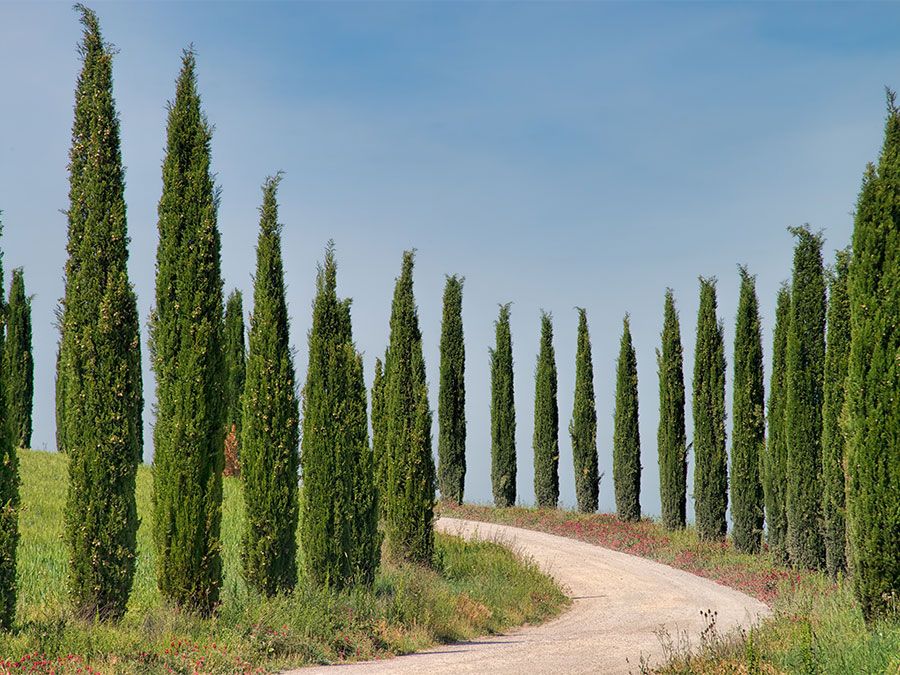
- Cypress (Cupressus), which includes species like the Italian cypress and Monterey cypress
- Cypress pine (Callitris and Widdringtonia)
- Dawn redwood (Metasequoia)
- False arborvitae (Thujopsis)
- False cypress (Chamaecyparis)
- Incense cedar (Calocedrus)
- Japanese cedar (Cryptomeria)
- Juniper (Juniperus)
- Redwood (Sequoia)
- Tasmanian cedar (Athrotaxis)
- White alerce (Pilgerodendron)
These plants are widely distributed globally and are valued for their timber, resins, and use as ornamental landscape trees.45
Sources
- alerce — Encyclopædia Britannica
- alerce — Merriam-Webster
- Fitzroya — Merriam-Webster
- Cupressaceae — Encyclopædia Britannica
- cypress — Encyclopædia Britannica
Published on · 2 min read