Agave
Agave plants have evolved several specialized adaptations to thrive in arid and semiarid environments, primarily by focusing on water storage and…
How do agave plants adapt to survive in arid environments?
Agave plants have evolved several specialized adaptations to thrive in arid and semiarid environments, primarily by focusing on water storage and conservation.12
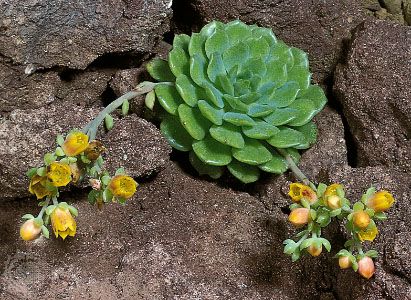
- Succulence: Agaves are succulent plants, meaning they possess thick, fleshy leaves designed to store water. This allows them to survive during periods of drought.32
- Crassulacean Acid Metabolism (CAM): To minimize water loss through transpiration, agaves utilize a specialized photosynthetic pathway called crassulacean acid metabolism. Unlike most plants, agaves keep their stomata closed during the hot, dry day and open them at night when the air is cooler and more humid to take in carbon dioxide.314
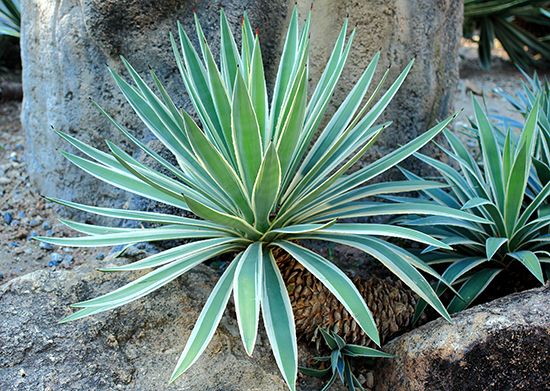
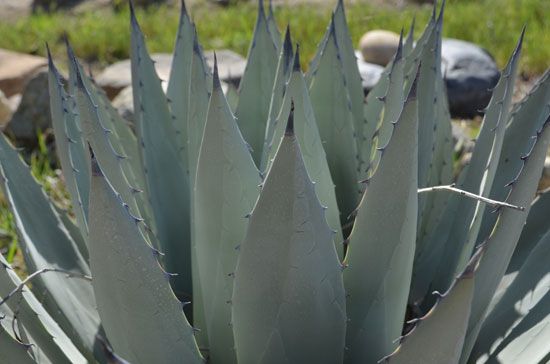
- Physical Protection: Many species feature waxy leaf coatings and spines along the edges and tips of their leaves, which help protect the plant and reduce water loss.12
These mechanisms allow agaves to maintain high productivity while requiring significantly less water than many other plant species.4
What are the different species of agave, and where are they commonly found?
The genus Agave comprises approximately 200 distinct species of flowering plants. These plants are native to the arid and semiarid regions of the Americas, with the highest diversity found in Mexico, as well as throughout the Caribbean.3
While there are many species, several are particularly notable for their economic and cultural significance:
- Blue Agave (Agave tequilana): Widely recognized as the exclusive source for the production of tequila.35
- Century Plant (Agave americana): Also known as maguey, this species is a primary source of agave nectar.3
- Sisal (Agave sisalana): Cultivated primarily for its valuable hard leaf fibers, which are used in textiles and rope.35
- Henequen (Agave fourcroydes): Another species valued for its strong fibrous tissue.35
- Cantala (Agave cantala): Also known as Manila-Maguey, this species is utilized for its fiber.35
Beyond these specific varieties, many other species are grown as ornamentals in desert landscaping due to their dramatic forms and showy foliage. While they are native to the Americas, some species have been introduced to other regions, such as India, for commercial fiber cultivation.3
What role do agave plants play in their native ecosystems?
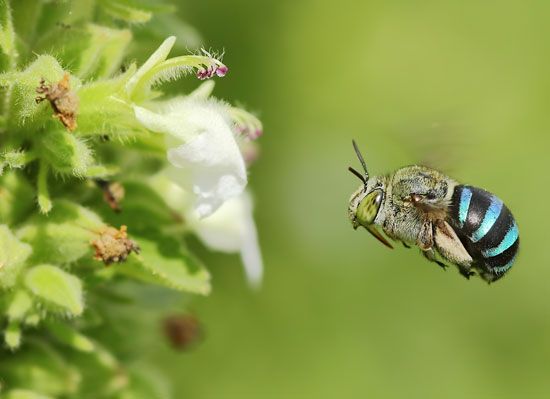
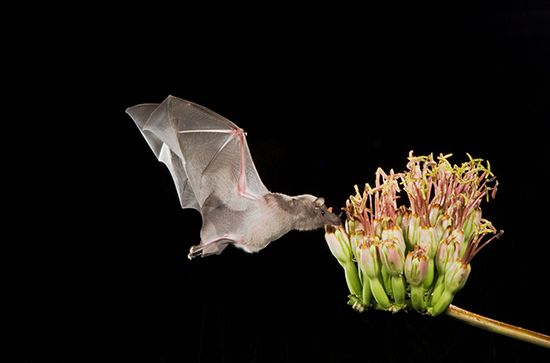
Agave plants play a vital role in their native ecosystems by serving as a critical food source for various pollinators. Because they produce copious amounts of nectar within their large, tall inflorescences, they attract and sustain a diverse array of bats, bees, hawk moths, and birds, which in turn facilitate the plants’ reproduction.3
Beyond their role in pollination, agaves contribute to the structural diversity of arid and semiarid landscapes. Their succulent, rosette-forming leaves provide a distinct physical presence in desert environments, and their ability to reproduce vegetatively—often forming clonal rosettes via underground rhizomes—allows them to establish stable populations in challenging, water-limited habitats.3
How do indigenous cultures use agave plants in their traditional practices?
Indigenous American peoples have utilized agave plants for millennia, integrating them into their daily lives, religious ceremonies, and material culture. The Aztec people, in particular, regarded the plant as sacred and incorporated it into various religious rituals.3
The practical applications of agave are extensive:
- Fiber Production: The strong fibrous tissue found in the leaves is used to create essential items such as ropes, brushes, sandals, nets, and sleeping mats. Mesoamerican cultures also utilized the terminal spine of the leaf, often attached to its fibers, as a functional needle and thread.3
- Food and Nutrition: The thick stem, or “heart,” of the plant is a significant food source. It is often roasted and eaten directly or ground into edible patties. Because the raw sap of most species is toxic, indigenous practices emphasize the necessity of cooking the plant before ingestion.3
- Beverages: Agave is central to traditional alcohol production. Pulque is created by fermenting the sap of the inflorescence stalk, while mezcal is produced by fermenting and distilling the sap of roasted or pressure-cooked agave hearts.3
Sources
- succulent — Encyclopædia Britannica
- photosynthesis - Carbon fixation via crassulacean acid metabolism (CAM) — Encyclopædia Britannica
- agave — Encyclopædia Britannica
- xerophyte — Encyclopædia Britannica
- Agavoideae — Encyclopædia Britannica
- maguey — Encyclopædia Britannica
- blue agave — Merriam-Webster
Published on · 3 min read