Dactylorhiza
Dactylorhiza is a genus comprising approximately 30 species of terrestrial orchids belonging to the family Orchidaceae. These perennial plants are…
What is Dactylorhiza?
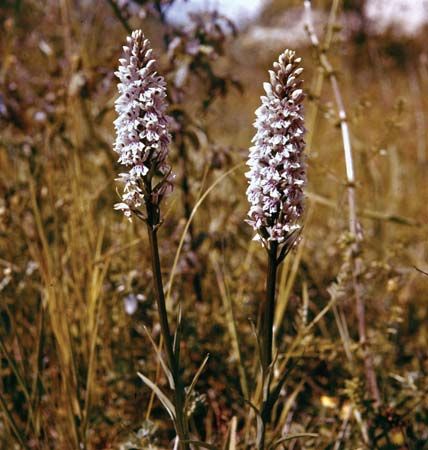
Dactylorhiza is a genus comprising approximately 30 species of terrestrial orchids belonging to the family Orchidaceae. These perennial plants are characterized by their palmately lobed root tubers and succulent leaves.1
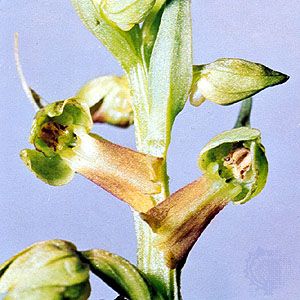
Typically found in meadows and damp environments across Eurasia, as well as parts of North Africa, Alaska, and various Atlantic islands, these orchids produce flowers in terminal spikes that are often white, pale pink, or magenta. Some species, such as the frog orchid (Dactylorhiza viridis), exhibit green or brownish-green flowers. While some varieties are cultivated as garden ornamentals, all species were previously classified under the genus Dactylorchis.12
What makes orchids different from other types of flowers?
Orchids are distinguished from other flowering plants primarily by the unique combination of morphological characteristics found in their flower structure. While individual features like pollen masses or fused reproductive parts appear in other plant groups, the Orchidaceae family is defined by their specific integration.3
Key structural differences include:
- The Column: Unlike most flowers, the stamens and pistil are fused into a single central structure called the column.34
- Bilateral Symmetry: The flower is typically bilaterally symmetrical, with one petal modified into a specialized landing platform for pollinators known as the labellum (or lip).4
- Pollinia: Rather than loose, individual grains, orchid pollen is usually bound into cohesive masses called pollinia usually bound into cohesive masses called pollinia.34
- Seed Development: Orchid seeds are exceptionally small and lack endosperm, the nutrient-rich tissue that nourishes embryos in most other flowering plants. Because they lack this internal food supply, orchid seeds require a symbiotic relationship with mycorrhiza (fungi) to germinate and establish themselves in nature.356
How do terrestrial orchids get their nutrients from the soil?
Terrestrial orchids obtain nutrients from the soil primarily through a symbiotic relationship with mycorrhizal fungi. Because orchid seeds are extremely small and lack the endosperm necessary to fuel initial growth, they rely on these fungi to provide the carbohydrates and other nutrients required for germination) and other nutrients required for germination.895
As these plants mature, their nutritional strategies can vary:
- Partial Mycoheterotrophy (Mixotrophy): Most orchids transition to photosynthesis to gain the majority of their energy, though they often maintain a relationship with fungi to supplement their intake of nitrogen and other mineral nutrients from the soil intake of nitrogen and other mineral nutrients from the soil.9
- Full Mycoheterotrophy: Some orchid species remain entirely dependent on fungi throughout their lives, lacking the ability to photosynthesize. These plants extract carbon-based nutrients directly from fungal networks, sometimes by leaching them from fungi that have formed mutualistic relationships with other, photosynthetic plants.9
- Saprotrophic Fungi: Certain mycoheterotrophic orchids derive their nutrition directly from saprotrophic fungi, which break down decaying organic matter in the soil.9
What are some other common families of flowering plants?
Beyond the Orchidaceae family, there are many other significant families of flowering plants (angiosperms) that play vital roles in global ecosystems and human life. The Angiosperm Phylogeny Group (APG) system organizes these into various orders based on molecular evidence and evolutionary relationships.11
Some of the most prominent and diverse families include:
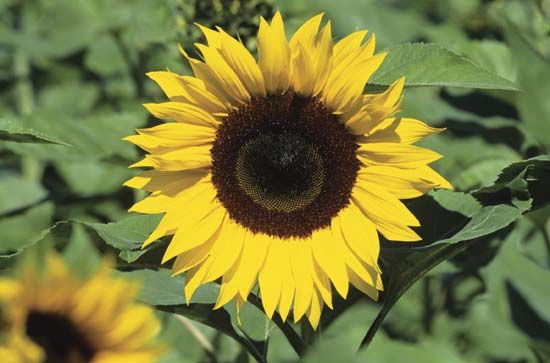
- Asteraceae: Also known as the aster, daisy, or composite family, this is one of the largest plant families, containing more than 25,000 species of herbs, shrubs, and trees.12
- Poaceae: The grass family is arguably the most important to humans, serving as the world’s primary food source. Grasses are incredibly abundant, covering about 24 percent of the Earth’s vegetation.13
- Fabaceae: The pea family is the third-largest angiosperm group. It is essential for both human and livestock nutrition, including crops like soybeans, peanuts, and alfalfa.14
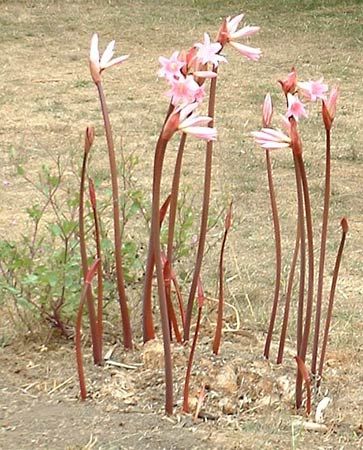
- Asparagaceae and Amaryllidaceae: These families form the core of the order Asparagales, which also includes other notable groups like the iris family (Iridaceae) and the aloe family (Asphodelaceae).15
Sources
- Dactylorhiza — Encyclopædia Britannica
- frog orchid — Encyclopædia Britannica
- orchid - Structural diversity — Encyclopædia Britannica
- orchid - Floral structure — Encyclopædia Britannica
- orchid - Seeds — Encyclopædia Britannica
- orchid - Natural history — Encyclopædia Britannica
- orchid - Ecology — Encyclopædia Britannica
- fungus - Mycorrhiza — Encyclopædia Britannica
- mycoheterotroph — Encyclopædia Britannica
- epiphyte — Encyclopædia Britannica
- Asteraceae — Encyclopædia Britannica
- Poaceae — Encyclopædia Britannica
- Fabaceae — Encyclopædia Britannica
- Asparagales - Organization and taxonomy — Encyclopædia Britannica
- angiosperm - Annotated classification — Encyclopædia Britannica
Published on · 3 min read