Amaranthaceae
Plants in the Amaranthaceae family exhibit several physiological and structural adaptations that allow them to thrive in diverse and often challenging…
How are plants in the Amaranthaceae family adapted to different environments?
Plants in the Amaranthaceae family exhibit several physiological and structural adaptations that allow them to thrive in diverse and often challenging environments, such as saline soils and arid regions.12
Photosynthetic Adaptations
A primary adaptation of many Amaranthaceae species is the use of the C4_4 photosynthetic pathway. This mechanism spatially separates carbon fixation, allowing the plants to concentrate carbon dioxide within their cells. By doing so, they minimize photorespiration—a process that otherwise reduces efficiency in hot or dry conditions—and allow the plants to keep their stomata partially closed to conserve water. This makes them particularly well-suited for warm, arid climates where water loss is a significant threat.1345
Structural and Physiological Traits
- Saline Tolerance: Many members of the family are adapted to grow in poor, saline soils.12
- Succulence and Morphology: Some species possess succulent or hairy leaves, which help manage water retention and protect against environmental stressors.1
- Resilience: Certain weedy species, such as pigweed, are highly competitive and tolerant of a wide variety of growing conditions, enabling them to thrive in waste areas and agricultural fields.13
What is the geographical distribution of plants in the Amaranthaceae family?
Plants in the Amaranthaceae family, also known as the amaranth family, have a broad geographical distribution, occurring nearly worldwide.21
This family, which includes approximately 175 genera and more than 2,500 species, is highly adaptable to a variety of habitats. A defining ecological characteristic of the family is its prevalence in alkaline and arid regions across the globe. Many members are also halophytic, meaning they are specifically adapted to thrive in saline soils that are often inhospitable to other vegetation.216
While the family is globally distributed, specific genera exhibit localized presence; for instance, certain species of pigweed are commonly found in waste areas throughout Europe and parts of the Americas. Because of their resilience and ability to grow in poor soil conditions, these plants have successfully established themselves in diverse environments ranging from temperate zones to harsh desert landscapes.126

What are some common examples of plants from the Amaranthaceae family that we might encounter in everyday life?
The Amaranthaceae family includes a wide variety of plants that are common in gardens, kitchens, and even as weeds in our everyday surroundings.
Common Food Crops
Many plants in this family are staples in the human diet, valued for their nutritional content:
- Root and Leaf Vegetables: The genus Beta vulgaris includes common garden beets, chard, and sugar beets. Spinach (Spinacia oleracea) is another widely consumed leafy green.17
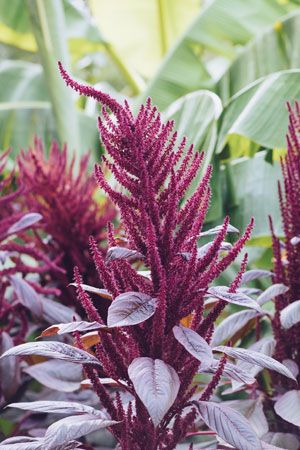
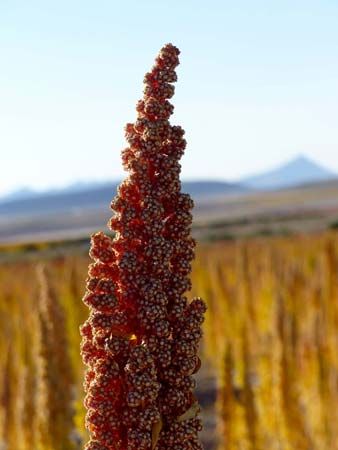
- Pseudo-grains: Quinoa and various species of amaranth are grown for their protein-rich seeds, which are used like cereal grains.14
- Other Greens: Lamb’s quarters and Lagos spinach (Celosia argentea) are also utilized as nutritious food sources.17
Garden Ornamentals
Several species are cultivated for their aesthetic appeal, often featuring colorful leaves or showy flowers:
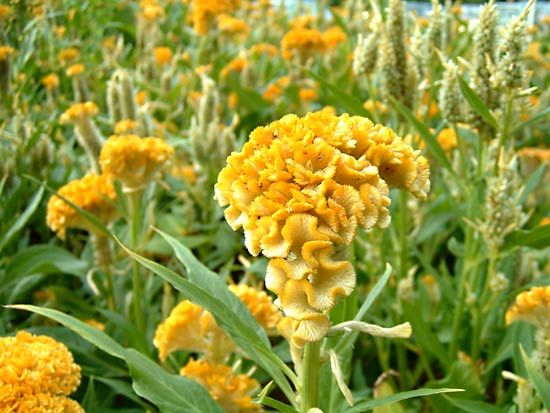
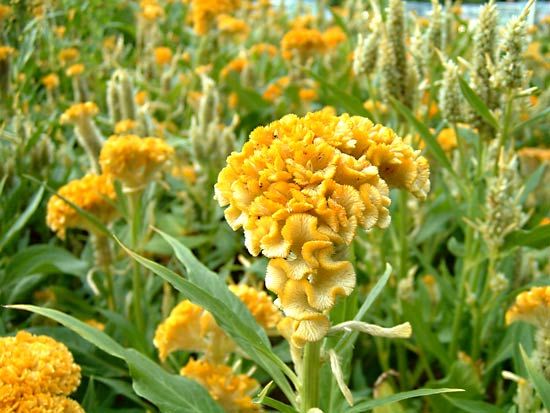
- Cockscomb: Species of Celosia are popular for their unique, crested flower heads.1
- Globe Amaranth: Gomphrena is frequently grown in gardens for its vibrant, long-lasting blooms.1
- Bedding Plants: Genera such as Alternanthera and Iresine are often used in landscaping for their attractive, colorful foliage.1
Common Weeds
You may also encounter members of this family in waste areas or agricultural fields, where they are often collectively referred to as pigweed. These hardy, competitive plants are known for their ability to thrive in diverse conditions.14
Are there any medicinal uses for plants in the Amaranthaceae family?
Yes, several plants within the Amaranthaceae family have a history of medicinal use, often rooted in traditional practices.
- Amaranth (Amaranthus): Historically, various species were used as medicinal herbs by Native Americans and pre-Columbian civilizations. Specifically, teas made from the leaves of certain pigweed species have been purported to have astringent properties and have been used in attempts to treat dysentery, diarrhea, and ulcers.41
- Garden Orach (Atriplex hortensis): This plant was historically utilized as a traditional remedy for gout.1
It is important to note that while these plants have been used in traditional medicine, their efficacy and safety for treating specific health conditions should be evaluated through modern scientific standards.
Sources
- Amaranthaceae — Encyclopædia Britannica
- list of plants in the family Amaranthaceae — Encyclopædia Britannica
- photosynthesis - Carbon fixation in C 4 plants — Encyclopædia Britannica
- Amaranth — Encyclopædia Britannica
- plant - Specific variations in photosynthesis — Encyclopædia Britannica
- Caryophyllales - Distribution and abundance — Encyclopædia Britannica
- Spinach — Encyclopædia Britannica
- Caryophyllales - Amaranthaceae — Encyclopædia Britannica
Published on · 3 min read