Amaranth
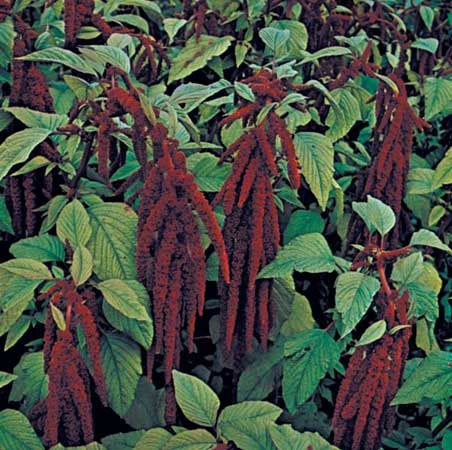
Amaranth refers to a genus (Amaranthus) of 60–70 species of flowering plants within the Amaranthaceae family. These plants are typically annuals or…
What is Amaranth?
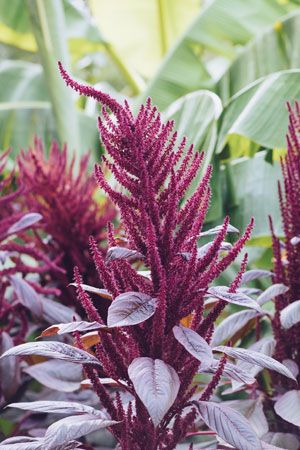
Amaranth refers to a genus (Amaranthus) of 60–70 species of flowering plants within the Amaranthaceae family. These plants are typically annuals or short-lived perennials that utilize a C4 photosynthetic pathway, which enhances their drought tolerance.1
The genus is diverse, serving several roles:
- Food Crops: Certain species, such as red amaranth, love-lies-bleeding, and prince’s feather, are cultivated for their nutritious leaves and seeds. The seeds are considered a pseudocereal—a nongrass seed used like a grain—and are valued for their high protein, fiber, calcium, and iron content.1
- Ornamentals: Species like Joseph’s coat are popular in gardens for their showy inflorescences.1
- Weeds: Many species are known as pigweed and are considered troublesome agricultural weeds. Some, such as Palmer’s amaranth, have developed resistance to common herbicides.1
Historically, these plants were significant to pre-Columbian civilizations, including the Aztecs, who used them for food, medicine, and ceremony.1
What makes amaranth a pseudocereal rather than a true grain?
Amaranth is classified as a pseudocereal rather than a true grain because it is not a member of the grass family (Poaceae), which includes traditional cereal grains like wheat, rice, and corn.
While true grains are the seeds of grasses, amaranth seeds are produced by flowering plants in the Amaranthaceae family. Despite this botanical distinction, amaranth seeds are nutritionally dense and are prepared and consumed in ways similar to cereal grains—such as being cooked into a porridge, popped, or ground into flour—which is why they are categorized as pseudocereals (nongrass seeds used like cereal grains).14
How did ancient civilizations like the Aztecs use amaranth in their daily lives?
For the Aztecs and other pre-Columbian civilizations, amaranth was a versatile and essential resource integrated into many aspects of daily life. Its utility extended well beyond basic nutrition, serving roles in medicine and ritualistic practices.
Dietary Uses
The Aztecs consumed both the seeds and the leafy greens of the plant. The leaves were typically eaten fresh or cooked similarly to spinach, while the nutty-tasting seeds were highly valued as a staple food. These seeds were often popped, prepared as a porridge, or ground into flour to be used in various baked goods.5
Medicinal and Ceremonial Roles
Beyond its nutritional value, amaranth held significant cultural and practical importance:
- Medicine: The plants were utilized as medicinal herbs to treat various ailments.5
- Ceremonial Use: Amaranth was a key component in religious and social ceremonies, where it was frequently used as a source of pigment for face and body paint.5
The plant’s ease of cultivation and high yield made it a reliable crop, helping these civilizations sustain their populations alongside other agricultural achievements like chinampa farming.35
What are some other examples of plants in the Amaranthaceae family?
The Amaranthaceae family is a diverse group of over 2,500 species, ranging from important food crops to common garden ornamentals and wild weeds.
Food Crops
Many members of this family are staples in human diets, valued for their leaves, roots, or seeds:
- Beets and relatives: Various forms of Beta vulgaris include garden beets, chard, and sugar beets.12
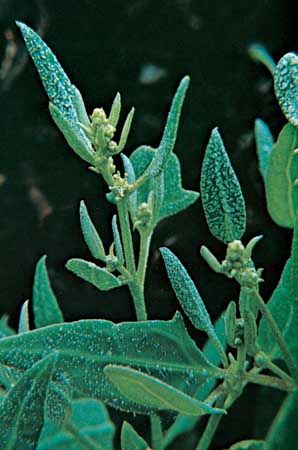
- Leafy greens: Spinach (Spinacia oleracea) and lamb’s quarters (Chenopodium album) are widely consumed.12
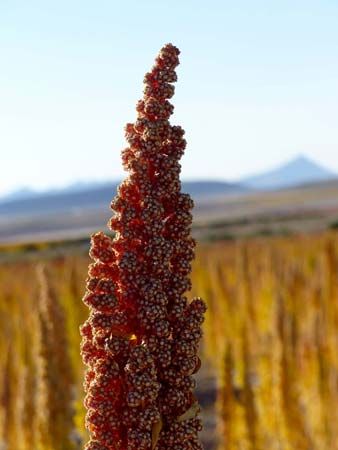
- Pseudocereals: In addition to amaranth, quinoa (Chenopodium quinoa) is a well-known high-protein seed crop.12
Ornamentals
Several species are cultivated for their striking appearance:
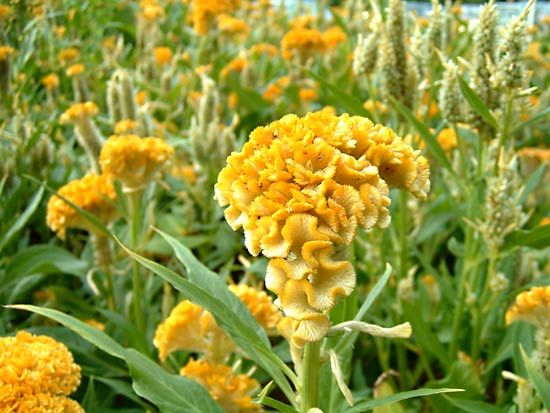
- Cockscomb: Species of Celosia, such as cockscomb, are popular garden plants.12
- Globe amaranth: Globe amaranth (Gomphrena globosa) is frequently grown for its colorful flowers.12
- Bedding plants: Genera such as Alternanthera and Iresine are often used for their vibrant foliage.1
Other Notable Plants
Sources
- Amaranthaceae — Encyclopædia Britannica
- list of plants in the family Amaranthaceae — Encyclopædia Britannica
- Amaranth — Encyclopædia Britannica
- grain amaranth — Merriam-Webster
- Pre-Columbian civilizations - Agriculture — Encyclopædia Britannica
- Caryophyllales - Amaranthaceae — Encyclopædia Britannica
Published on · 3 min read