Caryophyllaceae
The Caryophyllaceae family, commonly known as the pink or carnation family, is widely valued for its horticultural and medicinal applications.
How are Caryophyllaceae plants used by humans, either ornamentally or for other purposes?
The Caryophyllaceae family, commonly known as the pink or carnation family, is widely valued for its horticultural and medicinal applications.
Ornamental Uses
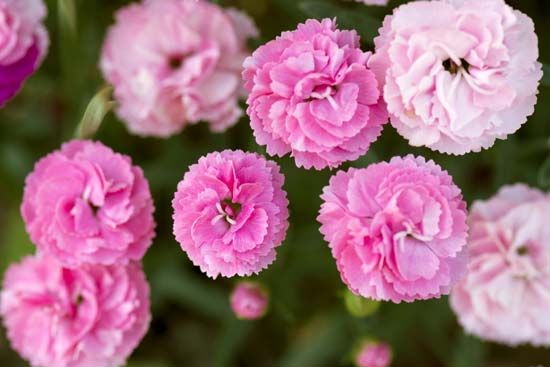
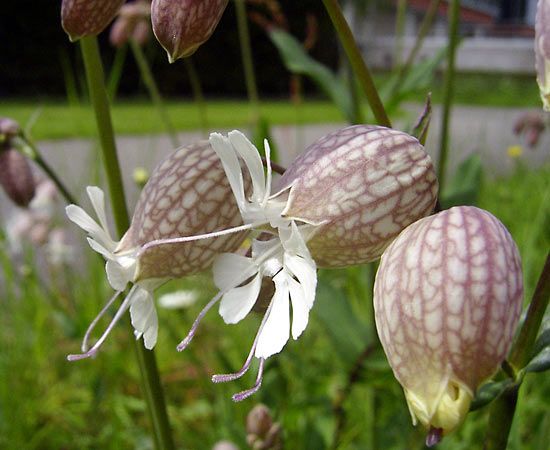
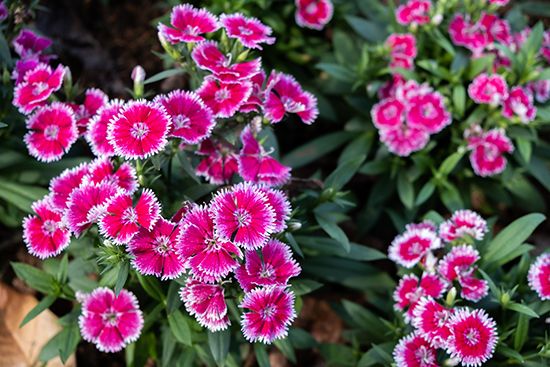
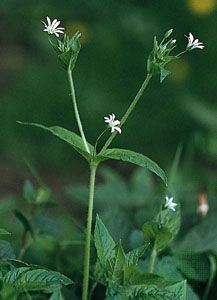
Many species are cultivated as garden ornamentals or as cut flowers for the floral industry. The genus Dianthus is particularly significant, featuring popular garden flowers such as sweet William and various cottage pinks. The carnation (D. caryophyllus) is a major commercial cut flower and is also grown for use in perfumes. Additionally, Gypsophila, known as baby’s breath, is a staple in the floral industry for its delicate, misty flowers. Other genera, such as Silene (campion), Minuartia, and Stellaria (chickweed), are frequently used in rock gardens and borders.12
Medicinal and Other Uses
Beyond aesthetics, some members of the family have historical medicinal applications. For example, red sandspurrey (Spergularia rubra) has been used in folk medicine to treat cystitis, while the dried roots and flowers of soapwort (Saponaria officinalis) have been used to address skin conditions.2
What are some unique adaptations found in Caryophyllaceae plants?
Plants in the Caryophyllaceae family exhibit several unique morphological and evolutionary adaptations that allow them to thrive in diverse environments:
- Modified Floral Structures: Within the “core” group of the order Caryophyllales, true petals have been lost. The structures that appear to be petals in Caryophyllaceae are actually considered to be derived from stamens rather than true floral leaves.5
- Habitat Specialization: Many members of the family are well-adapted to challenging environments, such as rocky or sandy soils. Genera like Minuartia, Stellaria (chickweed), and Sagina (pearlwort) are specifically suited for rock gardens, while Spergularia rubra (red sandspurrey) has adapted to thrive in sandy heaths near the sea.6
- Growth Habits: The family is known for developing in clumpy, resilient growth patterns, which is a characteristic feature of many wild species, including various pinks (Dianthus).6
- Chemical Defenses and Utility: Some species produce unique chemical compounds that have been utilized by humans for medicinal purposes, such as the use of soapwort for skin conditions or red sandspurrey for cystitis.6
How do plants in the Caryophyllaceae family reproduce?
Plants in the Caryophyllaceae family, like other angiosperms, reproduce through the process of pollination and fertilization.
In these flowering plants, pollen is transferred from the stamens to the stigma, which is the receptive surface of the pistil. Once deposited, the pollen germinates to form a pollen tube that grows down through the style to reach the ovules located in the ovary. Through double fertilization, one sperm cell fuses with the egg to form an embryo, while another combines with nuclei in the ovule to initiate the development of endosperm, a nutrient-rich tissue that supports the growing seed.58
As sedentary organisms, these plants typically rely on external agents—most commonly insects—to transport pollen between flowers. While many species utilize cross-pollination to maintain genetic diversity, some have evolved mechanisms to prevent self-fertilization, such as dichogamy, where the stamens and pistils mature at different times. Conversely, when pollinators are scarce, some plants may resort to self-pollination to ensure the production of seeds.5910
What is the evolutionary history of the Caryophyllaceae family?
The evolutionary history of the Caryophyllaceae family is primarily understood through the study of living members, as the order Caryophyllales has left virtually no fossil record. Before the use of DNA evidence, the origins of this group were largely obscure and speculative.
Phylogenetic analysis places Caryophyllales in a remote position within the eudicot flowering plants. Within the order, Caryophyllaceae belongs to the “core” group. A defining evolutionary trait of this core lineage is the loss of true petals; the structures that appear to be petals in Caryophyllaceae are considered to be derived from stamens instead.
Genetic data suggests that Caryophyllaceae is closely related to the Amaranthaceae and Achatocarpaceae families. While the order as a whole displays a complex history regarding the development of betalain and anthocyanin pigments, the family’s placement within the core Caryophyllales highlights its specialized position among diverse lineages, ranging from carnivorous plants to desert-adapted succulents.
Sources
- Caryophyllaceae — Encyclopædia Britannica
- Caryophyllales — Encyclopædia Britannica
- Caryophyllales - Caryophyllaceae — Encyclopædia Britannica
- Caryophyllales - Economic importance — Encyclopædia Britannica
- Caryophyllales - Characteristic morphological features — Encyclopædia Britannica
- Caryophyllales - Evolution — Encyclopædia Britannica
- Mountain ecosystem - Flora — Encyclopædia Britannica
- orchid - Bee pollination — Encyclopædia Britannica
- pollination - Mechanisms that permit self-pollination — Encyclopædia Britannica
- pollination — Encyclopædia Britannica
- pollination - Structural — Encyclopædia Britannica
- angiosperm - The gynoecium — Encyclopædia Britannica
Published on · 3 min read