Asparagales
Plants within the order Asparagales have been utilized for centuries in diverse medicinal and cultural traditions.
How have humans used Asparagales plants in traditional medicine and cultural practices?
Plants within the order Asparagales have been utilized for centuries in diverse medicinal and cultural traditions.
Traditional Medicinal Uses
- Aloe: Known for its fleshy leaves, Aloe is widely recognized as a medicinal plant.1
- Lilies: The Madonna lily was cultivated in Asia Minor during the 2nd millennium BCE for use in medicinal ointments, a practice later adopted by the Greeks and Romans.2
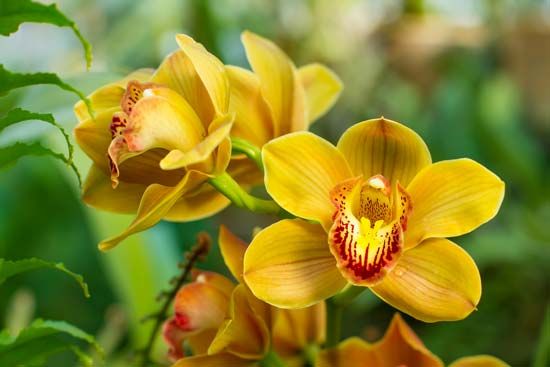
- Orchids: Various species serve as folk remedies globally. For example, Bletia purpurea bulbs are used in the West Indies to treat fish poisoning, Nervilia aragoana leaves are used in Malaysia for post-childbirth recovery, and Spiranthes diuretica is employed as a diuretic in Chile. Additionally, Catasetum mucilage is traditionally used in Ecuador to treat broken bones, and Oberonia anceps poultices are used to treat boils in Malaysia.3
Cultural and Historical Practices
- Symbolism: During the Middle Ages, the Madonna lily became a cultural symbol of purity associated with the Virgin Mary.2
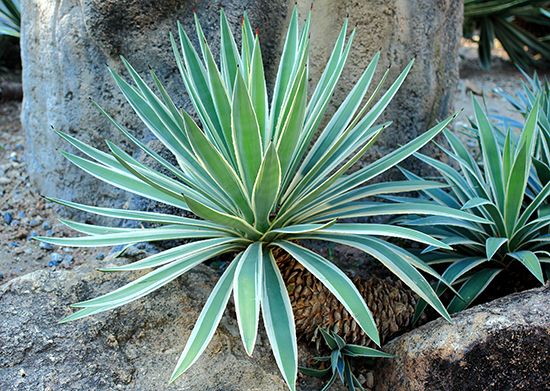
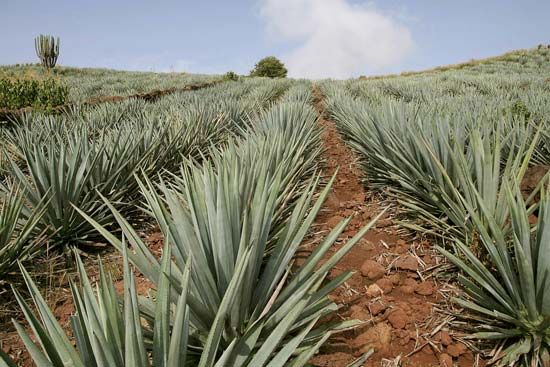
- Culinary Traditions: Many Asparagales are central to cultural diets, including onions, garlic, and asparagus. In Mexico, the juice of Agave is fermented to produce culturally significant beverages like tequila and pulque1.1
What is the geographical distribution of plants in the Asparagales order?
The order Asparagales exhibits a broad, nearly cosmopolitan distribution, with its members adapted to a wide variety of environments ranging from moist, wet tropics to regions with seasonal aridity and Mediterranean climates.26
Regional and Ecological Distribution
- Tropical and Arid Regions: Many families within the order, particularly the Asparagaceae, are especially diverse in tropical areas that experience seasonal aridity.6
- The Tropics: Epiphytic species, which are extraordinarily well-developed within the Orchidaceae family, are primarily found in moist and wet tropical forests.2
- Mediterranean Climates: The subfamily Scilloideae is predominantly found in Mediterranean climates, with a range extending from southern Africa through the Indian subcontinent to Central Asia and Japan.6
- Regional Specifics:
- Australia: The subfamily Lomandroideae is predominantly Australian in its distribution.6
- The Americas: The subfamily Brodiaeoideae is found from Guatemala north through British Columbia, Canada. Additionally, the genus Oziroë (Scilloideae) is found in western South America.6
- Africa: Many genera, such as Eriospermum and various members of the Asphodelaceae family, are notably diverse across the African continent.26
Are there any endangered species within the Asparagales order, and why are they threatened?
Yes, there are several endangered species within the Asparagales order, primarily threatened by habitat loss and overharvesting.
Endangered Species
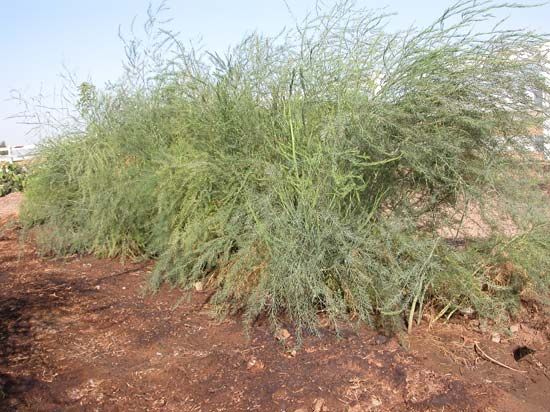
Within the genus Asparagus, several species face significant conservation risks:
- Critically Endangered: A. macrorrhizus (Spain).
- Endangered: A. fallax and A. nesiotes (Canary Islands), A. kiusianus (Japan), A. sekukuniensis (South Africa), and A. usambarensis (Tanzania).
- Vulnerable: A. arborescens and A. plocamoides (Canary Islands).
Primary Threats
- Habitat Fragmentation: This is a major driver of decline, particularly for the species listed in the Canary Islands, where natural habitats have been broken up or degraded.
- Agricultural Conversion: Tropical-deciduous seasonal hardwood forests, which often host high orchid diversity, are frequently cleared for cultivation, leading to the loss of specialized plant populations.
- Overharvesting and Collecting: Many orchid species are threatened by collectors who harvest them for the ornamental plant trade. Because some orchids are restricted to very small, specific areas—such as a single mountainside—even limited collection can jeopardize their survival.
How does the Asparagales order differ from other plant orders in terms of its evolutionary history?
The evolutionary history and classification of the Asparagales order have undergone significant revision, moving away from traditional morphological systems toward frameworks based on molecular evidence.
Taxonomic Reorganization
Historically, many genera within Asparagales were categorized under the subclass Liliidae in the Cronquist system, which relied on morphological, chemical, and anatomical characters. Since the 1980s, and particularly with the rise of the Angiosperm Phylogeny Group (APG) system, these plants have been realigned based on DNA sequencing of chloroplast and nuclear genomes. This shift has resulted in a more robust understanding of plant phylogeny, often contradicting older, morphology-based schemes.610
Evolutionary Distinctions
- Molecular Definition: Unlike many other plant orders, Asparagales families are defined primarily by DNA characters rather than unique, easily observable morphological features. This makes laboratory analysis often necessary for accurate identification.6
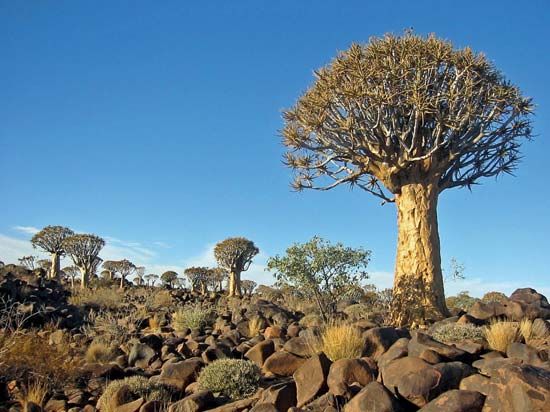
- Secondary Growth: While most monocotyledons lack lateral meristems, some arborescent members of Asparagales exhibit true secondary growth involving a lateral cambium layer. This process differs from the vascular cambium found in dicotyledons, as it produces different tissue arrangements.7
- Monophyletic Grouping: The APG system presumes that the families within Asparagales are monophyletic, meaning they share a common ancestor. This represents a shift from earlier systems that grouped plants based on broader, less hierarchical subclasses.10
Sources
- Asparagales — Encyclopædia Britannica
- Asparagales - Order growth characteristics — Encyclopædia Britannica
- lily — Encyclopædia Britannica
- orchid - Economic importance — Encyclopædia Britannica
- Asparagus — Encyclopædia Britannica
- Asparagales - Organization and taxonomy — Encyclopædia Britannica
- Asparagaceae — Encyclopædia Britannica
- orchid - Ecology — Encyclopædia Britannica
- conservation - Logging and collecting — Encyclopædia Britannica
- angiosperm - Annotated classification — Encyclopædia Britannica
Published on · 4 min read