Baby’s Breath
Baby’s breath refers to a diverse genus of approximately 150 species of flowering plants known as Gypsophila, which belongs to the pink family…
What is baby’s breath?
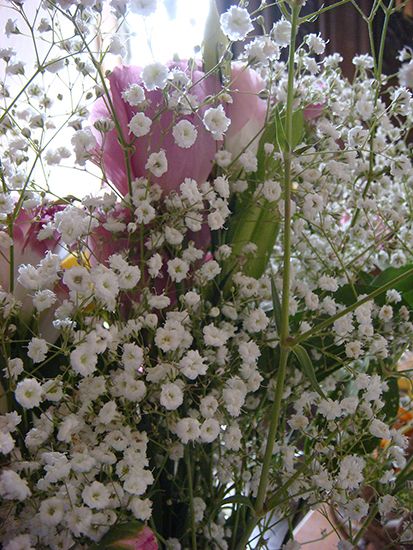
Baby’s breath refers to a diverse genus of approximately 150 species of flowering plants known as Gypsophila, which belongs to the pink family (Caryophyllaceae)2. Native to Eurasia, these plants are characterized by their loosely branching clusters of numerous small, delicate flowers that are typically white or pink.12
Because of their fine, misty appearance, these plants are frequently cultivated for use in rock gardens, flower borders, and floral arrangements. The genus includes both annual varieties, such as Gypsophila elegans, and perennial varieties, such as Gypsophila paniculata, which features a stout storage rootstock.2
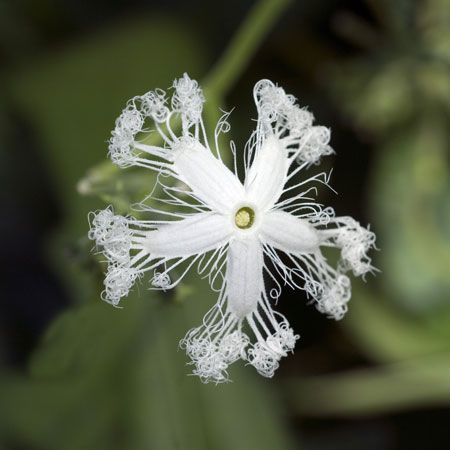
What plants belong to the pink family?
The Caryophyllaceae family, commonly known as the pink or carnation family, comprises approximately 100 genera and 2,200 species of flowering plants. These plants are primarily herbaceous annuals and perennials characterized by swollen leaf and stem joints.3
Key genera and notable members of this family include:
- Dianthus: Often referred to as pinks, this genus includes the carnation (D. caryophyllus), sweet William (D. barbatus), and the cottage or grass pink (D. plumarius) grass pink (D. plumarius).34
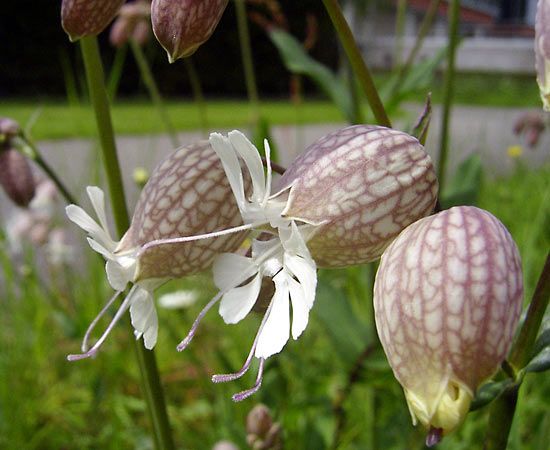
- Silene: The largest genus in the family, commonly known as campion or catchfly, which includes the showy bladder campion (S. vulgaris).3
- Gypsophila: Famous for baby’s breath, which is highly valued in the floral industry for its delicate, misty flowers.3
- Stellaria: Includes the common chickweed (S. media), a widely naturalized lawn weed.3
- Other Genera: This group also includes sandwort (Arenaria), Cerastium, and soapwort (Saponaria).3
How do annuals and perennials differ?
The primary difference between annual and perennial plants lies in the duration of their life cycles.
- Annuals: These plants complete their entire life cycle—germination, growth, flowering, and seed production—within a single growing season. Once they produce seeds, the plant dies, and the seed is the only part that survives to the next season. Common examples include corn, marigold, and lettuce10.910
- Perennials: These plants live for an indefinite number of years. They are capable of regrowing and reblooming year after year, typically renewing their top growth from a perennating part, such as a rootstock, or persisting as woody structures like trees and shrubs.9
It is also worth noting the existence of biennials, which occupy a middle ground by completing their life cycle over two growing seasons. They spend the first season developing vegetative structures like roots and leaves, and the second season producing flowers and seeds before dying.11
Why is baby’s breath popular in bouquets?
Baby’s breath (Gypsophila) is highly valued in the floral industry primarily for the fine, misty effect it provides in arrangements. Its loosely branching clusters of numerous small, delicate flowers serve as an ideal filler, adding texture and a sense of lightness to bouquets without overpowering the primary blooms.12
Whether using the annual variety (G. elegans) or the perennial species (G. paniculata), florists rely on these plants to create a soft, airy aesthetic that complements a wide variety of other flowers.21
Sources
- baby's breath — Merriam-Webster
- baby’s breath — Encyclopædia Britannica
- Caryophyllaceae — Encyclopædia Britannica
- Caryophyllaceae — Merriam-Webster
- Caryophyllales - Characteristic morphological features — Encyclopædia Britannica
- pink — Encyclopædia Britannica
- carnation — Encyclopædia Britannica
- Caryophyllales - Other families — Encyclopædia Britannica
- Is That Plant 'Perennial' or 'Annual'? — Merriam-Webster
- Annual — Encyclopædia Britannica
- Biennial — Encyclopædia Britannica
Published on · 2 min read