Insect
Insects utilize a sophisticated array of communication methods to coordinate social activities, attract mates, and signal danger. Because they often inhabit…
How do insects communicate with each other, and what methods do they use?
Insects utilize a sophisticated array of communication methods to coordinate social activities, attract mates, and signal danger. Because they often inhabit environments where visual cues are limited, they rely heavily on chemical, tactile, and vibratory signals.12
Primary Communication Methods
- Chemical Signaling: Insects frequently use pheromones—endogenous chemicals secreted to elicit specific reactions from others of the same species. Ants are particularly prolific, using different glandular secretions to mark foraging trails, recruit colony members for defense, attract mates, and distinguish between colony members and outsiders.31
- Sound and Vibration: Many insects produce sound through stridulation, a process of rubbing two hard body parts together, such as wings or legs. Crickets and katydids use this to attract mates or establish territorial chirping patterns. Additionally, many insects communicate via substrate-borne vibrations detected through receptors on their legs, which is vital for termites to signal alarm or direction in dark environments.142
- Tactile Signals: Physical contact, such as grooming or bumping into others, serves as a critical communication tool for social insects to convey alarm or maintain group cohesion.12
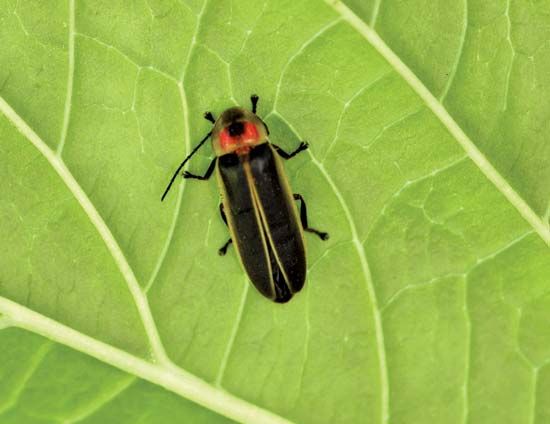
- Visual Cues: While less effective in dark habitats, some insects use light signals. This includes bioluminescence in fireflies and the use of color patterns or movement to signal to others in environments where ambient light is present.1
How do insects breathe, and what is the function of their tracheal system?
Insects do not possess lungs; instead, they rely on a specialized network of internal tubes called the tracheal system to facilitate respiration. This system is a hallmark of insect anatomy and functions by delivering oxygen directly to tissues and removing carbon dioxide, bypassing the need for a circulatory system to transport respiratory gases.5
How the Tracheal System Functions
- Spiracles: Air enters and exits the insect’s body through paired, valvelike external openings called spiracles, typically located on the thorax and abdomen. These valves can open and close to regulate gas exchange and prevent water loss, which is critical for survival in dry environments.56
- Tracheae and Tracheoles: Once inside, air travels through a branching network of tubes known as tracheae. These tubes divide into increasingly smaller vessels called tracheoles. The terminal endings of these tracheoles are embedded directly into the insect’s tissues, allowing oxygen and carbon dioxide to be exchanged via diffusion.67
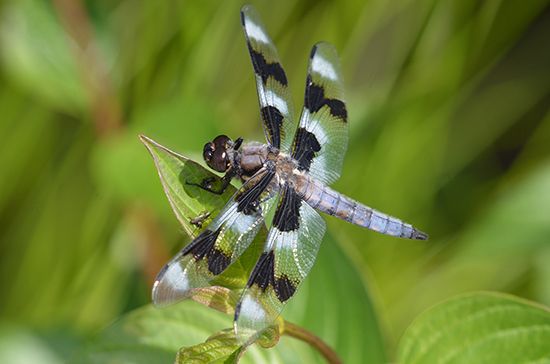
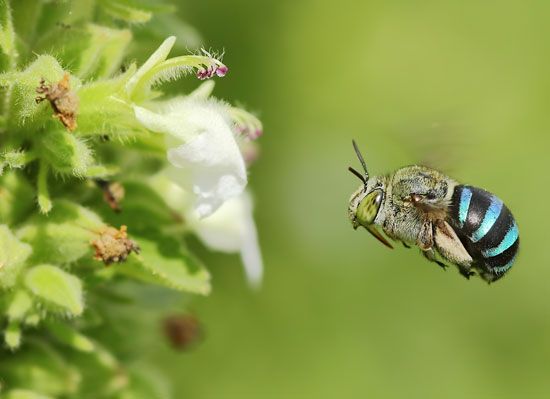
- Ventilation: While many insects rely on passive diffusion, active species—such as dragonflies and bees—use rhythmic abdominal pumping to mechanically ventilate the system, forcing air through the tubes.6
Because gases diffuse slowly in narrow tubes, the tracheal system is only effective over short distances, which is widely believed to impose a physical size limit on insects.57
How have humans utilized insects throughout history, from agriculture to medicine?
Humans have utilized insects throughout history for a wide range of commercial, agricultural, and medical purposes.
Commercial and Raw Materials
Insects have long served as vital sources of raw materials. The silkworm (Bombyx mori) has been cultured for thousands of years to produce silk, while the honeybee provides honey and beeswax. Other insects contribute to industry through secretions, such as the lac insect used for shellac and scale insects like the cochineal, which provide crimson dyes used in textiles, cosmetics, and food.910
Agriculture and Pest Control
Insects are essential for pollination, supporting the growth of fruit trees and various crops. Conversely, humans have developed methods of biological control to manage insect pests. Ancient Chinese civilizations utilized predacious ants to protect trees from wood-boring insects. Modern integrated control strategies now combine biological methods—such as releasing predators or using pheromone traps—with selective chemical applications to protect agricultural yields.9111213
Medicine
Insects play a unique role in modern medicine. Blow fly maggots are recognized as approved medical devices; they are used to clean open wounds by consuming dead tissue, which helps eliminate bacteria and stimulate the healing process.14
What roles do insects play in different ecosystems and food chains?
Insects are integral components of ecosystems and food webs, functioning as primary consumers, predators, and decomposers that facilitate the flow of energy and the cycling of nutrients.151617
Roles in Ecosystems and Food Chains
- Primary Consumers: Many insects are herbivores that feed directly on plants, serving as a critical link between producers and higher trophic levels. By consuming leaves, seeds, and other plant tissues, they transfer energy from the base of the food pyramid to secondary consumers, such as birds, spiders, and predatory fish.16
- Predators: Predatory insects, such as certain heteropterans, help regulate populations of other insects, mites, and small aquatic animals. By preying on herbivores, they exert top-down pressure that influences the structure of biological communities.1215
- Decomposers and Detritivores: Insects are essential for the breakdown of organic matter. Larvae of flesh flies and blowflies, for example, rapidly colonize carrion, accelerating decomposition. Other insects, such as beetles and springtails, fragment leaf litter and decaying material, creating a substrate for bacteria and fungi to complete the nutrient cycle.151718
- Pollinators: Many plants have coevolved with insects, relying on them for pollination. This relationship is vital for the reproductive success of numerous plant species, which in turn supports the broader food web by providing fruits, seeds, and habitats for other organisms.1519
Sources
- Animal communication - Signal production — Encyclopædia Britannica
- pheromone — Encyclopædia Britannica
- sound reception - Behavioral observations — Encyclopædia Britannica
- termite - Communication — Encyclopædia Britannica
- Respiratory system - Trachea — Encyclopædia Britannica
- spiracle — Encyclopædia Britannica
- How Do Cockroaches Breathe? — Encyclopædia Britannica
- arthropod - Respiratory system — Encyclopædia Britannica
- insect - Insects as a source of raw materials — Encyclopædia Britannica
- entomology — Encyclopædia Britannica
- Pest — Encyclopædia Britannica
- insect - Commercial significance — Encyclopædia Britannica
- 10 Questions About Insects Answered — Encyclopædia Britannica
- Biology - Biological knowledge of Egyptians , Chinese, and Indians — Encyclopædia Britannica
- insect - Role in nature — Encyclopædia Britannica
- What Would Happen If All the Bees Died? — Encyclopædia Britannica
- food web — Encyclopædia Britannica
- soil organism — Encyclopædia Britannica
- heteropteran - Food habits — Encyclopædia Britannica
- blow fly: Top Questions — Encyclopædia Britannica
Published on · 4 min read