Coevolution
Coevolution is a fundamental process of reciprocal evolutionary change that occurs between interacting species, where the activity of each participant…
What is the significance of coevolution in symbiotic relationships?
Coevolution is a fundamental process of reciprocal evolutionary change that occurs between interacting species, where the activity of each participant applies selection pressure on the others. In symbiotic relationships, such as mutualistic interactions, this process is significant because it organizes biological communities and leads to highly specialized adaptations.1
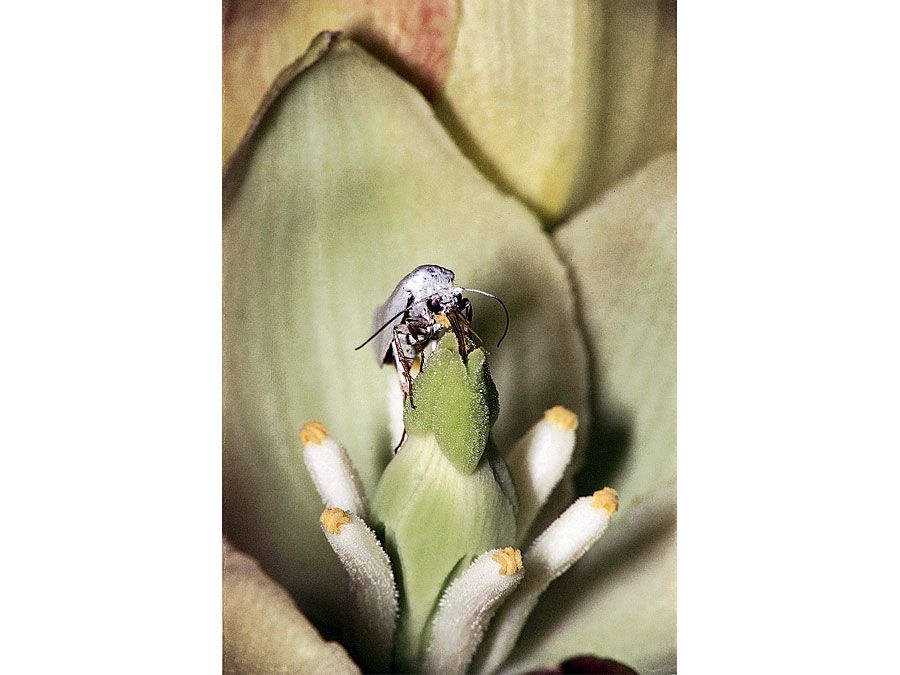
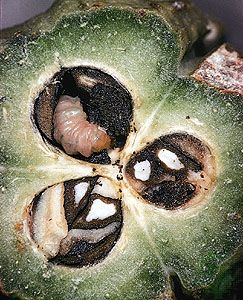
Rather than being designed for maximum efficiency, coevolution functions through a process of “tinkering,” where natural selection molds existing traits and behaviors to fine-tune the relationship. For example, the relationship between yucca moths and yucca plants evolved as both species gained reproductive advantages: the plants ceased energy-intensive nectar production, while the moths developed specialized behaviors to ensure their offspring had a food source.2
This process is not static; it often operates as a geographic mosaic, where interactions vary across regions, allowing diverse adaptations to spread and influence the long-term evolutionary direction of the species involved. Ultimately, coevolution highlights the interconnectedness of life, though human activities like habitat fragmentation can disrupt these delicate, evolved balances.31
Can you provide some examples of coevolution in nature?
Coevolution is a process of reciprocal evolutionary change where interacting species exert selection pressure on one another, often leading to specialized adaptations. Here are several notable examples of coevolution in nature:1
- Yucca Moths and Yucca Plants: This is a classic example of mutualism. Yucca moths have evolved to actively pollinate yucca flowers, ensuring the plant’s reproduction, while the plant provides a site for the moth to lay eggs and a food source for its larvae.42
- Predator-Prey Arms Races: In Lake Tanganyika, endemic mollusks have evolved significantly thicker shells to defend against crabs, which in turn have evolved larger, more powerful claws to crush those shells. This “arms race” of escalating defenses and counterdefenses is a common outcome of coevolution.51
- Parasite-Host Dynamics: The myxoma virus and European rabbits in Australia demonstrate how coevolution can shift virulence. Initially highly lethal, the virus evolved toward intermediate virulence because strains that allowed the host to survive longer had a better chance of spreading to new hosts.6
- Mimicry: Some species evolve to resemble others to gain protection. For example, nonvenomous scarlet king snakes have evolved coloration that mimics the dangerous coral snake, a strategy known as Batesian mimicry1. Similarly, distasteful butterfly species may evolve to look like one another to reinforce predator avoidance, known as Müllerian mimicry.1
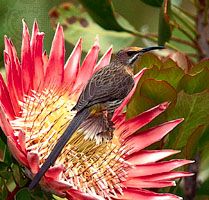
What role does coevolution play in plant-pollinator interactions?
Coevolution plays a transformative role in plant-pollinator interactions, acting as a process of reciprocal “tinkering” where natural selection molds existing traits to fine-tune the relationship between species. Rather than being engineered for perfect efficiency, these interactions evolve as species adapt to one another’s behaviors and structures.8
Mechanisms of Coevolution
- Reward and Advertisement: As plants evolved to rely on specific pollinators, they developed “advertisements” such as floral colors, patterns, and scents to guide insects to nectar rewards. In a pattern of parallel evolution, insects simultaneously developed specialized mouthparts to access these resources.9
- Specialization: Coevolution can lead to extreme mutual dependence. For example, the Madagascar orchid Angraecum sesquipedale features a nectar receptacle that perfectly matches the length of its exclusive pollinator’s proboscis, a relationship predicted by Charles Darwin and Alfred Russel Wallace long before the moth was discovered.9
- Active vs. Passive Pollination: In some cases, such as with yucca moths and yucca plants, the interaction is highly active. The moth purposefully pollinates the flower to ensure its larvae have a food source, while the plant has evolved to stop producing nectar, saving energy by relying solely on this specialized pollinator.8
Evolutionary Convergence
Coevolution also drives convergence, where unrelated species evolve similar traits to participate in successful interactions. For instance, many different plant families have independently evolved floral shapes that attract hawkmoths, demonstrating how the presence of a specific pollinator can shape the evolution of diverse plant lineages.7
What are some ways that humans have impacted natural coevolutionary processes?
Human activities significantly disrupt coevolution, the process of reciprocal evolutionary change between interacting species, by altering the ecological conditions necessary for these relationships to persist.110
Key ways humans impact these processes include:
- Habitat Fragmentation: By dismantling biological communities, humans break the physical connections between species, preventing the ongoing interactions that drive coevolutionary adaptations.110
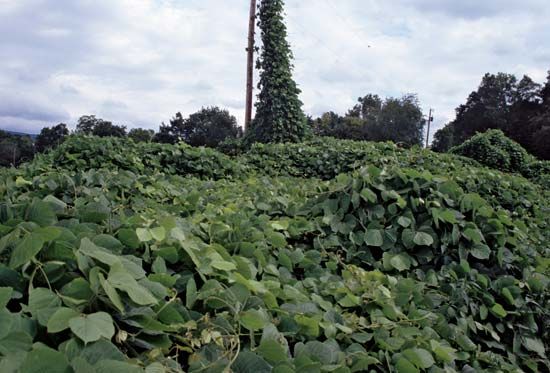
- Introduction of Exotic Species: The introduction of invasive species can devastate native populations that lack the evolutionary defenses to handle new predators or competitors. This often leads to the localized extinction of native species and fundamentally alters the selection pressures within an ecosystem fundamentally alters the selection pressures within an ecosystem.111
- Altered Population Dynamics: Human activities such as hunting and the favoring of specific species change population densities. These shifts can force parasites to evolve more virulent genotypes or cause the accidental loss of genetic diversity essential for long-term coevolutionary interactions.110
- Resource Disruption: By favoring certain species over others, humans interfere with the natural balance of mutualistic relationships, such as those between plants and their pollinators.1
We could dive deeper into how specific conservation strategies might help restore these disrupted evolutionary pathways.
Sources
- coevolution — Encyclopædia Britannica
- community ecology - The study of coevolution — Encyclopædia Britannica
- community ecology - The geographic mosaic theory of coevolution — Encyclopædia Britannica
- geographic mosaic theory of coevolution — Encyclopædia Britannica
- community ecology - Predator-prey interactions — Encyclopædia Britannica
- community ecology - Parasite - host interactions — Encyclopædia Britannica
- Botanical Sex: 9 Alluring Adaptations — Encyclopædia Britannica
- pollination - Evolution of insect pollination — Encyclopædia Britannica
- community ecology - Convergence — Encyclopædia Britannica
- community ecology - Human disruption — Encyclopædia Britannica
- invasive species — Encyclopædia Britannica
Published on · 5 min read