Apiaceae
The Apiaceae family, also known as the parsley or carrot family, is a significant group of flowering plants comprising nearly 3,820 species. Many members are…
What are some common and economically important plants that belong to the Apiaceae family?
The Apiaceae family, also known as the parsley or carrot family, is a significant group of flowering plants comprising nearly 3,820 species. Many members are economically important as vegetables, herbs, and spices, valued for their aromatic essential oils.12
Economically Important Plants
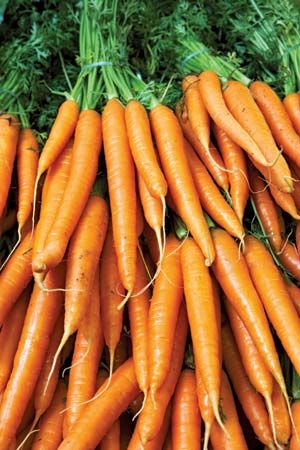
- Root and Leaf Vegetables: This category includes staples such as carrot, celery, parsnip, fennel, and lovagefennel), and lovage.2
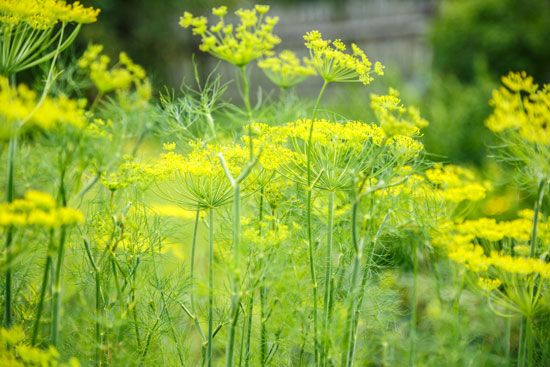
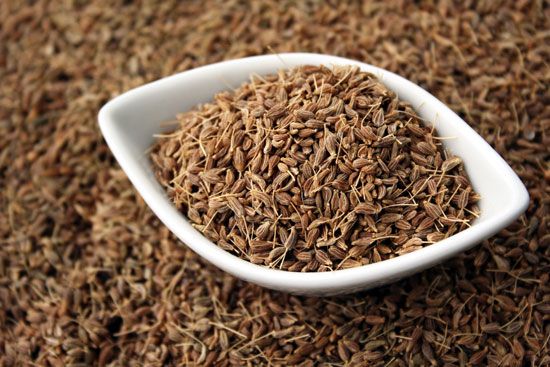
- Herbs and Spices: Many species are widely used for flavoring, including parsley, coriander (cilantro), dill, cumin, caraway, and anise2.
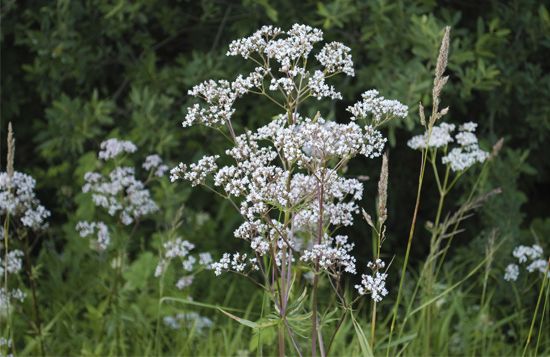
- Ornamentals: Some species, such as Queen Anne’s lace and sea holly, are cultivated for their aesthetic value in gardens.2
While many species are edible, it is important to note that the family also contains highly toxic plants, such as poison hemlock and water hemlock, which can be lethal if ingested.2
How did the Apiaceae family get its name, and what was it previously called?
The plant family Apiaceae derives its name from the New Latin Apiaceae, which is based on the genus Apium (the genus that includes celery).42
Historically, this family was widely known as Umbelliferae. This name is derived from the New Latin umbellifer, meaning “bearing umbels,” a reference to the family’s characteristic flat-topped, umbrella-like flower clusters known as umbels. While the name Apiaceae is now the standard botanical term, the term “umbelliferous” is still used to describe plants that possess these distinct flower structures.51462
How are the flowers and inflorescences typically arranged in Apiaceae plants?
In plants belonging to the Apiaceae family, flowers are characteristically arranged in a structure known as an umbel.82
An umbel is a type of inflorescence where the flower stalks, or pedicels, arise from a common point at the end of a stem, causing the flowers to appear at approximately the same level. Botanically, an umbel is considered a flattened raceme; it forms because the internodes of the main axis are shortened, allowing the pedicels to reach an equal length.8
Many members of this family exhibit a compound umbel arrangement. In this structure, the main axis branches to form multiple smaller umbels, all of which originate from a common point to create a larger, flat-topped cluster. This dense grouping of small, often bisexual flowers is a hallmark of the family and is highly effective for pollination.82
Are there any medicinal or culinary uses associated with plants from the Apiaceae family?
The Apiaceae family, often called the parsley or carrot family, is highly significant for both culinary and medicinal purposes due to the presence of essential oils and various phytochemicals in many of its species.212
Culinary Uses
Many members of this family are staples in global cuisines, valued as vegetables, herbs, and spices:
- Vegetables: Carrot, celery, parsnip, and lovage are widely cultivated for their edible roots or stalks.213
- Herbs and Spices: The family provides a vast array of aromatic flavorings, including parsley, dill, coriander, cumin, anise, caraway, and fennel.21213
Medicinal Uses
Several species have a long history of use in herbal and folk medicine. For example, celery seed has traditionally been utilized as a diuretic and as an anti-inflammatory remedy for conditions like rheumatism or gout. Other plants, such as gum ammoniac and goutweed, have also been employed in traditional remedies.142
It is important to note that while many species are edible, the family also contains highly poisonous plants, such as poison hemlock and water hemlock, which contain harmful alkaloids.212
Sources
- list of plants in the family Apiaceae — Encyclopædia Britannica
- Apiaceae — Encyclopædia Britannica
- parsley — Encyclopædia Britannica
- celery family — Merriam-Webster
- apiaceous — Merriam-Webster
- Umbellales — Merriam-Webster
- umbellifer — Merriam-Webster
- angiosperm - Inflorescences — Encyclopædia Britannica
- Asteraceae - Flowers — Encyclopædia Britannica
- bract — Encyclopædia Britannica
- palm - Inflorescences — Encyclopædia Britannica
- celery — Encyclopædia Britannica
- Apiales — Encyclopædia Britannica
- list of economically important members of the family Apiaceae — Encyclopædia Britannica
- Apocynaceae — Encyclopædia Britannica
Published on · 3 min read