Schisandraceae
Schisandraceae is a family of approximately 90 species of flowering plants belonging to the primitive order Austrobaileyales. These plants are primarily…
What is Schisandraceae?
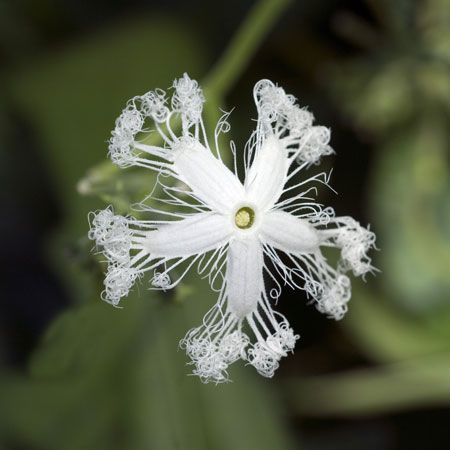
Schisandraceae is a family of approximately 90 species of flowering plants belonging to the primitive order Austrobaileyales. These plants are primarily tropical and subtropical woody species characterized by radially symmetrical, beetle-pollinated flowers that do not distinguish between sepals and petals.1
Botanically, the family is notable for retaining features reminiscent of ancient gymnosperm groups, such as wood containing primitive water-conducting vessels. The family comprises three genera:1
- Schisandra and Kadsura: These are generally climbing vines with separate male and female flowers. Some, like the magnolia vine and kadsura vine, are grown as ornamentals.1
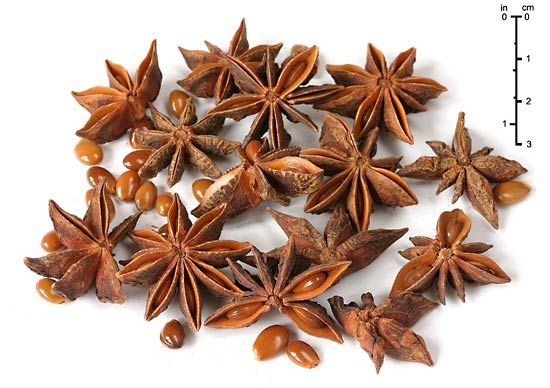
- Illicium: Formerly classified in the now-defunct family Illiciaceae, this genus includes shrubs and trees with aromatic leaves. It is well known for the star anise, which produces a distinct woody fruit used for flavoring.1
What are the characteristics of the order Austrobaileyales?
The order Austrobaileyales is recognized as one of the basalmost groups of flowering plants, representing an early lineage that branched off near the base of the angiosperm evolutionary tree.2
According to the APG IV system, this order consists of three families:
- Austrobaileyaceae
- Schisandraceae (which includes the former family Illiciaceae)
- Trimeniaceae
These plants are part of a “grade” of basal angiosperms, meaning they form a sequentially branching pattern at the base of the flowering plant phylogeny rather than a single, distinct clade. While the relationships among these early groups are still being refined by molecular data, Austrobaileyales is consistently placed among the most primitive extant lineages of angiosperms.2
How do beetle-pollinated flowers differ from other types?
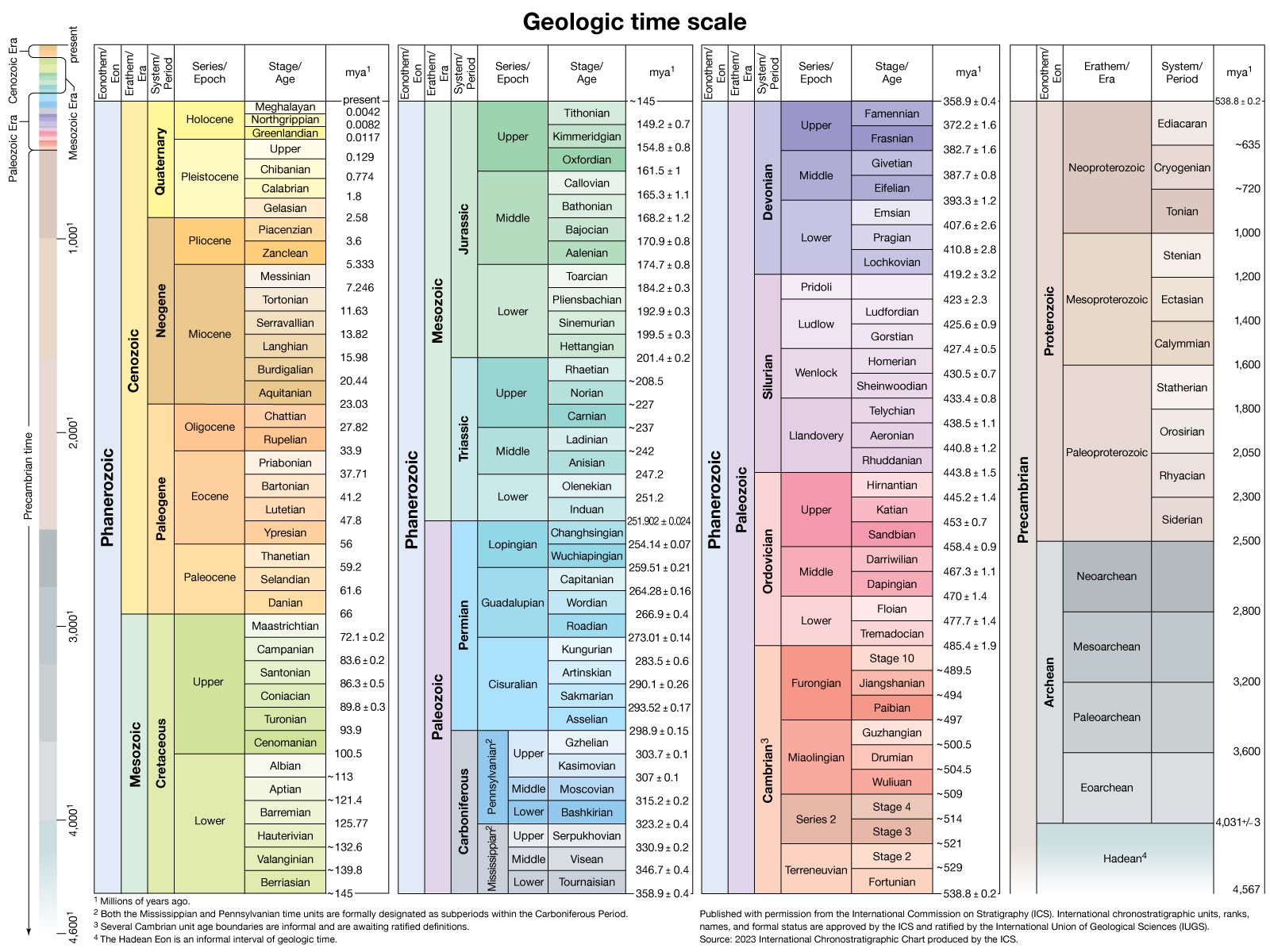
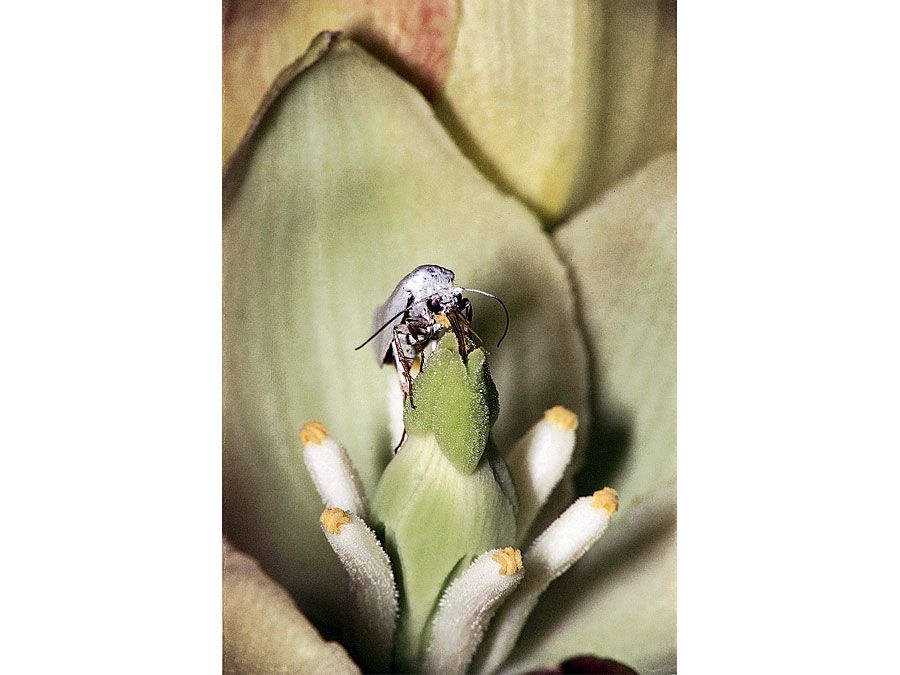
Beetle-pollinated flowers differ significantly from those pollinated by more specialized insects like bees or butterflies, primarily because they evolved during the Mesozoic Era before many modern pollinators existed.4
Key Characteristics
- Rewards: Unlike many advanced flowers that offer nectar, beetle-pollinated flowers typically lack nectaries. Instead, they provide food bodies on the perianth and stamens, or produce a superabundance of pollen to sustain the beetles, which are often pollen eaters.567
- Structure: These flowers are often open in structure, allowing beetles to forage easily on floral parts. Some ancient lineages utilize functional, traplike structures to temporarily detain insects, ensuring more effective pollination.564
- Attractants: Many beetle-pollinated plants rely on strong odors—such as those of fruit, dung, or rotting flesh—to attract their pollinators. In the case of “carrion flowers,” the blossoms may be red or brown, smell strongly of rotting meat, and even generate heat to volatilize these scents.456
In contrast, flowers pollinated by bees or birds often feature specialized landing platforms, specific color patterns (such as ultraviolet guides), and copious nectar rewards, reflecting a higher degree of coevolution between the plant and its pollinatorcoevolution](https://www.britannica.com/science/coevolution) between the plant and its pollinator.57
What is the difference between gymnosperms and angiosperms?
Angiosperms and gymnosperms are the two primary groups of vascular seed plants, distinguished by several fundamental reproductive and structural differences.8
Key Differences
- Seed Development: The most significant distinction is how seeds are formed. Angiosperms (flowering plants) develop seeds within an ovary, which matures into a protective fruit. Gymnosperms produce “naked seeds,” which are typically exposed on the scales of cones (strobili) rather than enclosed in an ovary.9810
- Reproductive Structures: Angiosperms possess flowers that facilitate pollination, often through complex interactions with animal pollinators. Gymnosperms lack flowers and fruits, relying primarily on wind for pollination.8119
- Fertilization: Angiosperms undergo a unique process called double fertilization, where one sperm fertilizes the egg and another fuses with nuclei to form endosperm, a nutrient-rich tissue for the embryo. In gymnosperms, the female gametophyte itself serves as the food-storage tissue, and double fertilization does not occur.1012
- Vascular Tissue: Most angiosperms contain specialized water-conducting vessels in their xylem, whereas gymnosperms generally lack these, with the exception of the genus Gnetum.98
Sources
- Schisandraceae — Encyclopædia Britannica
- Magnoliales - Evolution — Encyclopædia Britannica
- Angiosperm - Annotated classification — Encyclopædia Britannica
- Major types of pollinators - Beetles and flies — Encyclopædia Britannica
- Pollination - Evolution of insect pollination — Encyclopædia Britannica
- Pollination - Beetles and flies — Encyclopædia Britannica
- Angiosperm - Pollination — Encyclopædia Britannica
- Angiosperm: Top Questions — Encyclopædia Britannica
- Plant reproductive system - Seed plants — Encyclopædia Britannica
- Angiosperm - General characteristics — Encyclopædia Britannica
- What’s the Difference Between Angiosperms and Gymnosperms? — Encyclopædia Britannica
- Plant - Flowers — Encyclopædia Britannica
Published on · 3 min read