Angelica
Angelica refers to a genus of approximately 90 species of aromatic herbs in the Apiaceae family, native to the Northern Hemisphere. These plants are…
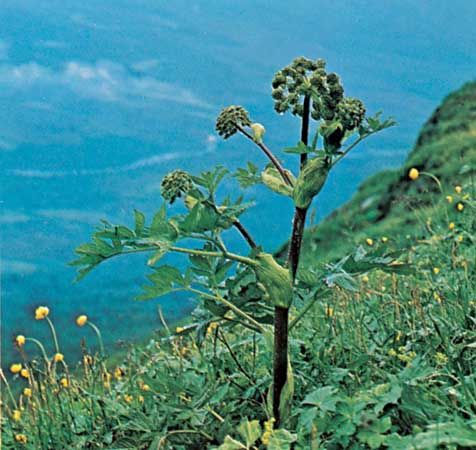
What is angelica?
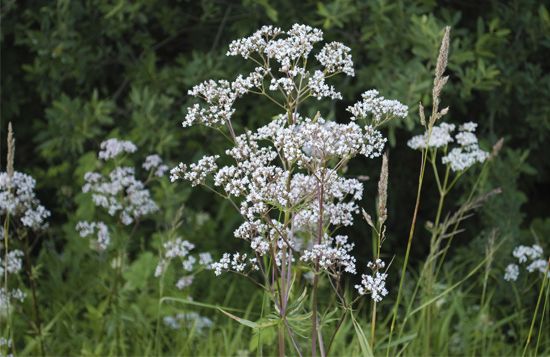
Angelica refers to a genus of approximately 90 species of aromatic herbs in the Apiaceae family, native to the Northern Hemisphere1. These plants are typically tall biennial or perennial herbs featuring large, compound leaves and clusters of small white or greenish-white flowers.1
It is important to exercise extreme caution with these plants. Because they closely resemble poisonous species such as poison hemlock, water hemlock, and hogweed, they should never be consumed unless their identity is absolutely certain. Furthermore, contact with the sap or leaves of some species can cause phytophotodermatitis, a condition where skin exposed to sunlight develops blisters. While some varieties like Angelica archangelica are used in food and traditional Chinese medicine, using them as abortifacients is dangerous and can lead to lethal hemorrhage.1
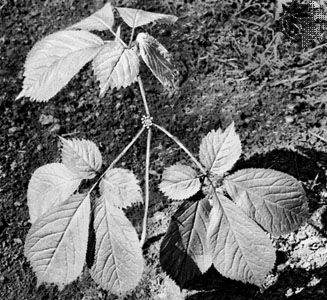
Note that the “angelica tree” (Aralia spinosa) is a distinct, unrelated plant belonging to the ginseng family.2
How can you tell the difference between angelica and poisonous plants like hemlock?
Distinguishing between Angelica and poisonous members of the Apiaceae family, such as poison hemlock and water hemlock, is extremely difficult and dangerous. Because these plants share similar physical characteristics—such as compound leaves and flat-topped clusters of small flowers known as umbels—you should never consume any plant unless its identity is absolutely certain.134
While both Angelica and poison hemlock are tall biennial or perennial herbs, there are subtle differences to note:
- Stem Appearance: The hollow, branching stems of poison hemlock are typically spotted or streaked with red or purple, particularly toward the base.3
- Venation: If comparing hemlock species, the leaflet veins of poison hemlock terminate at the tips of the leaf teeth, whereas the veins of water hemlock end at the notches between the teeth.3
- Safety Warning: Many plants in this family contain toxic alkaloids or chemicals that cause phytophotodermatitis, leading to severe skin blistering upon sun exposure.14
What is phytophotodermatitis and why does it happen?
Phytophotodermatitis is a skin condition characterized by inflammation, redness, and painful, itchy blisters that occur when skin comes into contact with certain plant chemicals and is subsequently exposed to sunlight. The term is derived from the Greek words phyto (plant), photo (light), and dermatitis (skin inflammation).5
Why It Happens
The reaction is triggered by a class of plant chemicals known as furocoumarins (or furanocoumarins). These compounds are secondary metabolites that plants produce as a defense mechanism against herbivores, diseases, and UV radiation.5
When these chemicals get on your skin, they are not inherently harmful in moderate doses. However, they interfere with the skin’s ability to manage ultraviolet (UV) light exposure. When the affected skin is exposed to sunlight, the UV radiation activates the furocoumarins, leading to cellular damage that can resemble severe sunburn or even second-degree burns. Because the reaction depends on the distribution of the plant sap or juice, the resulting rash often appears in streaks or drip-shaped patterns.5
Common Sources
While many people associate this reaction with limes—sometimes called “margarita burns”—it is caused by a wide variety of plants, including:
- Members of the carrot family (Apiaceae): Including carrots, celery, dill, parsley, parsnips, and the highly toxic giant hogweed.56
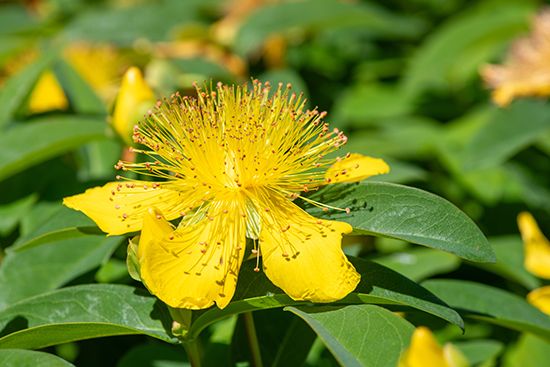
- Other plants: Including figs, grapefruit, lemons, mustard, and Saint-John’s-wort.5
In severe cases, the condition can lead to lingering dark patches of skin known as post-inflammatory hyperpigmentation, which may persist for weeks or months. Washing skin thoroughly after handling these plants can help eliminate the risk.5
What are some other common plants in the Apiaceae family?
The Apiaceae family, also known as the parsley or carrot family, includes a diverse range of plants beyond those already discussed. These species are widely utilized for their culinary, medicinal, and ornamental properties.
Culinary and Medicinal Species
Many members of this family are staples in kitchens and traditional medicine due to their rich essential oils and distinct flavors:
- Vegetables: Carrot, celery, parsnip, lovage, and fennel.48
- Herbs and Spices: Parsley, anise, coriander, caraway, and cumin./plant/caraway), and cumin.48
- Folk Remedies: Plants such as gum ammoniac (Dorema ammoniacum), smallage, and goutweed (Aegopodium podagraria).4
Ornamental Plants
Several species are cultivated specifically for their aesthetic appeal in gardens:
- Masterwort (Astrantia)4
- Blue lace flower (Trachymene caerulea)4
- Queen Anne’s lace (Daucus carota carota)4
- Sea holly (Eryngium maritimum)4
It is important to remember that while this family provides many edible plants, it also contains highly toxic species. Always exercise extreme caution and ensure positive identification before consuming any plant from this group.4
Sources
- angelica — Encyclopædia Britannica
- angelica tree — Encyclopædia Britannica
- poison hemlock — Encyclopædia Britannica
- Apiaceae — Encyclopædia Britannica
- sunburn — Encyclopædia Britannica
- Can limes burn your skin? — Encyclopædia Britannica
- 7 Dangerous Plants You Should Never Touch — Encyclopædia Britannica
- Apiales — Encyclopædia Britannica
- Brassicales - Brassicaceae , Capparaceae, and Cleomaceae — Encyclopædia Britannica
Published on · 3 min read