Apiales
The order Apiales is a member of the core asterid clade within the euasterid II group of the Angiosperm Phylogeny Group (APG) classification system. The…

What are some of the evolutionary relationships between families within the Apiales order?
The order Apiales is a member of the core asterid clade within the euasterid II group of the Angiosperm Phylogeny Group (APG) classification system. The order is considered a monophyletic lineage, meaning all its constituent families are believed to be derived from a common ancestor.12
The order comprises seven families: Apiaceae, Araliaceae, Pittosporaceae, Pennantiaceae, Griseliniaceae, Torricelliaceae, and Myodocarpaceae. Evolutionary relationships within the order are supported by molecular techniques, such as DNA sequencing, which have refined the placement of various genera. For example, the APG system has reclassified certain genera, such as the herbaceous Hydrocotyle (pennywort), moving them from Apiaceae into Araliaceae.12
While the APG system organizes these families into a hierarchy, it does not assume that all families are equivalent in an evolutionary sense; rather, it signals their relative position within the plant tree of life. The classification remains subject to modification as new molecular data become available.2
Are there any medicinal uses for plants in the Apiales order?
Yes, several plants within the order Apiales have a long history of medicinal and therapeutic use.
Within the family Apiaceae, various species have been utilized in traditional herbal and folk remedies. Notable examples include:
- Gum ammoniac (Dorema ammoniacum): Historically used in various medicinal preparations.3
- Smallage (Apium graveolens): Often associated with traditional herbal practices.3
- Goutweed (Aegopodium podagraria): Long used as a folk remedy.3
The family Araliaceae, or the ginseng family, is particularly well-known for its medicinal applications:
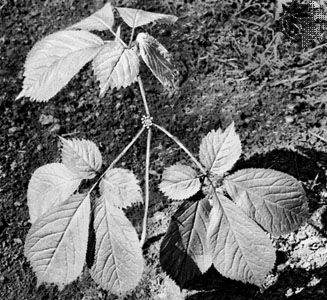
- Ginseng (Panax ginseng): This root has been used in China since antiquity to treat a wide range of diseases.4
- American ginseng (P. quinquefolius): Used in the United States as a stimulant.4
- Wild sarsaparilla (Aralia nudicaulis): Its aromatic root is used as a substitute for sarsaparilla for sarsaparilla.1
It is important to note that while some species have medicinal value, the order also contains highly toxic plants, such as poison hemlock and water hemlock, which contain harmful alkaloids.34
Which important plant families are included in the Apiales order?
The order Apiales consists of seven distinct plant families. The three largest and most prominent families within this order are:
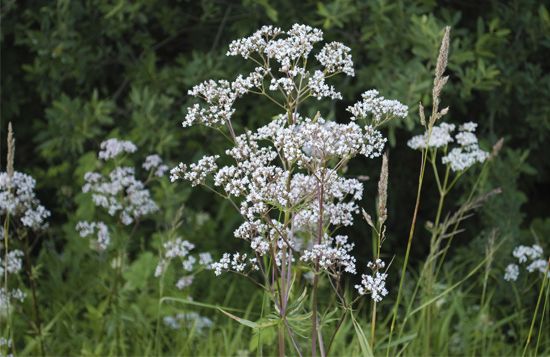
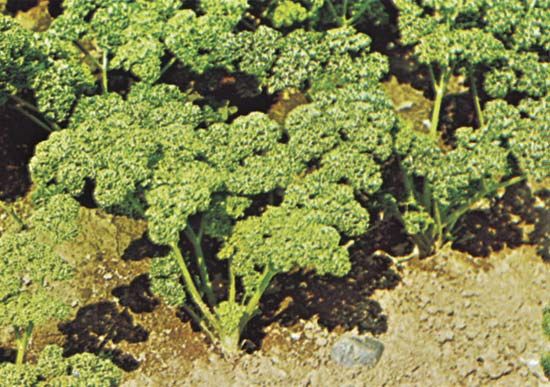
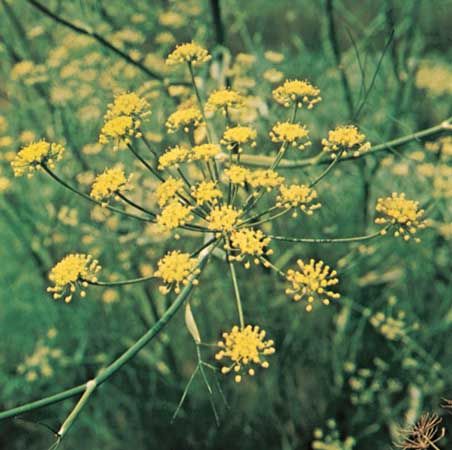
- Apiaceae: Commonly known as the carrot or parsley family, this group includes numerous important food crops, herbs, and spices, such as carrots, celery, dill, and coriander, as well as some highly poisonous species like water hemlock.
- Araliaceae: Often called the ginseng family, this group is primarily native to tropical regions and includes well-known plants like ginseng, ivy, and spikenard.
- Pittosporaceae: A family of trees, shrubs, and lianas native to tropical and warm temperate areas, particularly in Australia, with Pittosporum being the largest genus.
In addition to these, the order includes four smaller families:
- Pennantiaceae
- Griseliniaceae
- Torricelliaceae
- Myodocarpaceae
These four smaller families are characterized as woody species that typically feature separate male and female plants, flowers clustered at the ends of branches, and single-seeded fruits.12
How are plants in the Apiales order economically important?
Plants in the order Apiales are of significant economic importance, primarily through the families Apiaceae and Araliaceae.
Apiaceae (Carrot or Parsley Family)
This family is a major source of food, herbs, and spices. Economically vital crops include:
- Food Crops: Carrots, celery, celeriac, parsnips, and fennel.15
- Herbs and Spices: Dill, coriander, cumin, caraway, anise, parsley, asafoetida, and angelica.15
Araliaceae (Ginseng Family)
This family contributes to medicine, timber, and the ornamental plant industry:
- Medicinal: Ginseng (Panax species) is highly valued for its use in traditional medicine and as a stimulant. Wild sarsaparilla serves as a substitute for sarsaparilla.167
- Ornamental: Ivies and various Schefflera species are widely cultivated as houseplants and garden ornamentals.16
- Industrial: The rice-paper plant is a source of rice paper, while species like Dendropanax arboreum and Acanthopanax ricinifolius provide timber for construction and furniture.16
Pittosporaceae
Members of this family, particularly the genus Pittosporum, are utilized as street trees or potted ornamentals, and some species are harvested for timber.1
Sources
- Apiales — Encyclopædia Britannica
- angiosperm - Annotated classification — Encyclopædia Britannica
- list of economically important members of the family Apiaceae — Encyclopædia Britannica
- Apiaceae — Encyclopædia Britannica
- palm - Economic importance — Encyclopædia Britannica
- Araliaceae — Encyclopædia Britannica
- ginseng — Encyclopædia Britannica
Published on · 3 min read