Araliaceae
The family Araliaceae, commonly known as the ginseng family, includes several species with significant medicinal and culinary applications. It is important…
What are some common uses of Araliaceae plants in medicine or cuisine?
The family Araliaceae, commonly known as the ginseng family, includes several species with significant medicinal and culinary applications. It is important to distinguish this family from the unrelated Araceae (aroids), which are a distinct group of flowering plants.12
Key medicinal and culinary uses of Araliaceae include:
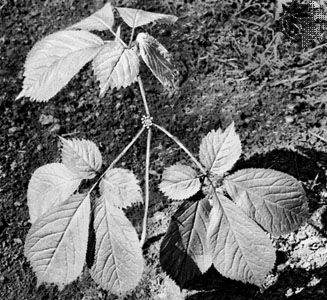
- Ginseng (Panax species): The roots of Asian ginseng and American ginseng are widely used in traditional medicine. In China, Korea, and Japan, Asian ginseng is frequently prepared as a stimulating tea and has historically been regarded as a panacea for various illnesses. It is believed to improve mental performance, learning, memory, and sensory awareness.13
- Wild Sarsaparilla (Aralia nudicaulis): This plant features an aromatic root that serves as a culinary substitute for sarsaparilla.1
While some members of the family are economically important for other reasons—such as ivies used as ornamentals, the rice-paper plant used for paper production, and various species used for timber—their primary fame in health and food contexts remains centered on the medicinal properties of the Panax genus.1
Are there any endangered species within the Araliaceae family?
Sorry, the Britannica knowledge base does not contain this information.
What are the defining characteristics of the Araliaceae plant family?
The Araliaceae family, commonly known as the ginseng family, is a group of flowering plants within the order Apiales that includes approximately 1,450 species across 43 genera. While they are primarily native to tropical regions of Southeast Asia and the Americas, the family also includes important temperate species.12
The defining characteristics of the Araliaceae family include:
- Growth Habit: Most members are shrubs or trees, though the family also includes a number of climbers and a few herbaceous plants.12
- Leaves: They typically possess large, alternate, and compound leaves.12
- Flowers: The flowers are five-parted and are characteristically arranged in compound umbels, which are flat-topped clusters.152
- Fruit: The plants produce fleshy fruits, which are generally categorized as berries or drupes.152
Economically, the family is notable for ornamental plants like ivies (Hedera), the rice-paper plant, and various timber-producing species. Additionally, the genus Panax is widely recognized for its medicinal use, particularly in the form of ginseng root.12
Which well-known plants belong to the Araliaceae family?
The Araliaceae family, often referred to as the ginseng family, includes a diverse range of plants that are economically and ornamentally significant. Some of the most well-known members include:
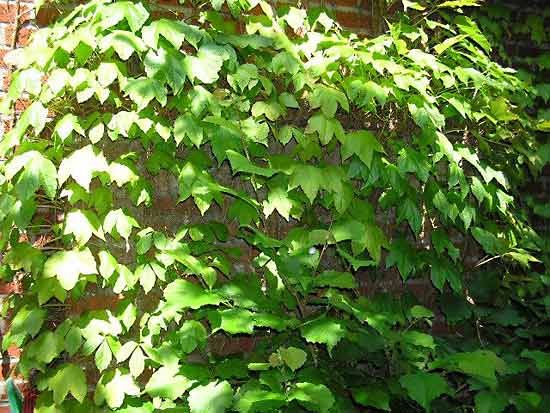
- Ivies (Hedera): This genus includes popular climbing ornamentals and houseplants, such as the common English ivy (Hedera helix), which is frequently used to cover walls and as ground cover.17
- Ginseng (Panax): Highly valued for their medicinal properties, this genus includes Asian ginseng (Panax ginseng) and its American relative, American ginseng (Panax quinquefolium).13
- Schefflera: These tropical evergreen trees and shrubs are widely cultivated as indoor foliage plants due to their tolerance for low-light conditions. The Australian umbrella tree (Schefflera actinophylla) is one of the most popular examples.8
- Rice-paper plant (Tetrapanax papyriferum): A small Asiatic shrub or tree known for its pith, which is used to produce rice paper.19
- Wild sarsaparilla (Aralia nudicaulis): A plant with an aromatic root often used as a substitute for sarsaparilla.1
- Castor aralia (Acanthopanax ricinifolius): Also known as hari-giri, this species is utilized in Japan for building and furniture making.1
Sources
- Araliaceae — Encyclopædia Britannica
- Araliaceae — Merriam-Webster
- ginseng — Encyclopædia Britannica
- Araceae — Encyclopædia Britannica
- Apiales — Encyclopædia Britannica
- palm - Leaves — Encyclopædia Britannica
- rice-paper tree — Merriam-Webster
- schefflera — Encyclopædia Britannica
- ivy — Encyclopædia Britannica
- Alismatales - Araceae — Encyclopædia Britannica
Published on · 3 min read