Araceae
The Araceae family, colloquially known as aroids, is a large group of flowering plants in the order Alismatales that comprises more than 4,000 species across…
What is the Araceae plant family?
The Araceae family, colloquially known as aroids, is a large group of flowering plants in the order Alismatales that comprises more than 4,000 species across over 140 genera. While found worldwide, they are most common in tropical regions and include a variety of climbers, herbaceous plants, and aquatic species.12
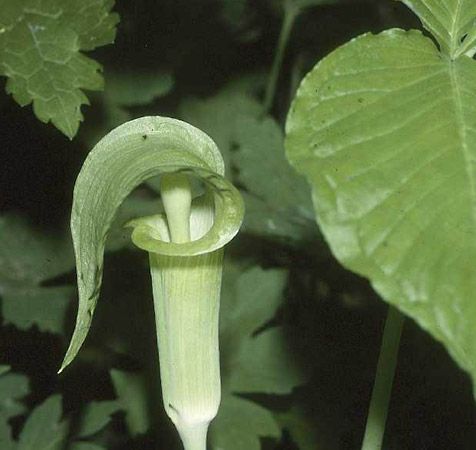
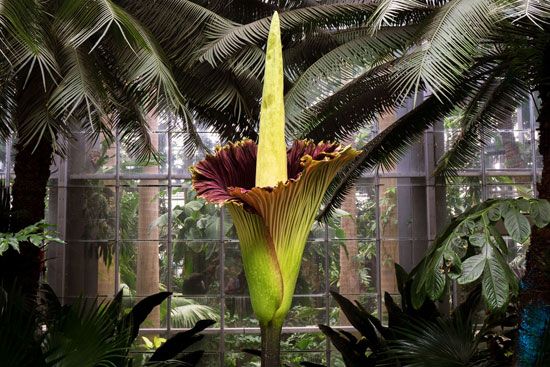
The family is distinguished by a unique inflorescence consisting of a fleshy, thickened spike called a spadix, which is typically surrounded by a leafy or fleshy bract known as a spathe. Many species are notable for being thermogenic, generating heat to protect against cold or to attract pollinators with odors that mimic rotting flesh.314
Common members of the family include:
- Houseplants: Philodendron, Monstera, peace lily, and pothos.31
- Garden and Wild Plants: Jack-in-the-pulpit, cuckoopint, and skunk cabbage.31
- Food Crops: Taro.31
What types of plants are found in the Araceae family?
The Araceae family, often referred to as aroids, is a diverse group of over 4,000 species of flowering plants. These plants exhibit a wide range of growth habits, including climbers, herbaceous plants, and both rooted and free-floating aquatics.14
Common Types of Araceae
The family is well-known for its popularity in the floral and houseplant industries due to its striking foliage and unique inflorescences. Common examples include:14
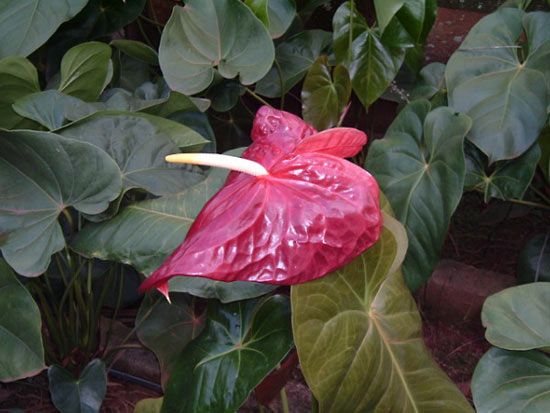
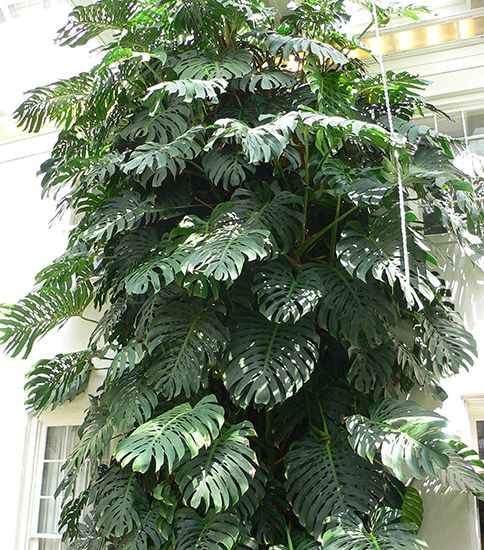
- Houseplants: Popular varieties include philodendrons, Monstera (such as the Swiss cheese plant), peace lilies, pothos, dumb cane, and Anthurium.13
- Garden and Wild Plants: This category features species like jack-in-the-pulpit, cuckoopint, and skunk cabbage.14
- Food Crops: The family includes taro, which is a significant source of nutrition.16
- Specialized Species: The titan arum is famous for producing one of the largest and most foul-smelling inflorescences on Earth.14
These plants are characterized by a spadix—a fleshy spike of flowers—typically accompanied by a spathe, a leaf-like bract.174
Where do most Araceae plants grow?
Members of the Araceae family are found worldwide, though they are most common in tropical regions. While their distribution is primarily tropical, the family’s diversity allows them to inhabit various environments, ranging from terrestrial habitats to aquatic settings.352
Specific distribution patterns vary by subfamily:
- Pantropical: The subfamily Lasioideae, for example, consists of nearly 60 pantropical species.3
- Regional Restrictions: Some groups are more geographically limited, such as the Zamioculcadoideae, which are restricted to central Africa, and the Orontioideae, which are found in temperate East Asia and temperate North America.3
What are common features of Araceae plants?
The Araceae family, colloquially known as aroids, consists of over 4,000 species of flowering plants that share several distinct characteristics.2
Key Morphological Features
- Inflorescence Structure: The most defining feature of the family is its unique inflorescence. The tiny flowers are densely packed onto a fleshy, thickened spike known as a spadix. This spike is typically subtended or surrounded by a leafy or fleshy bract called a spathe2.2
- Leaf Anatomy: As monocotyledons, these plants typically have a single cotyledon. Their leaves usually feature a distinct petiole and an expanded blade that is uncharacteristically reticulate (net-veined) for a monocot.2
- Chemical Composition: The leaves often contain calcium oxalate, which may form stinging, needle-shaped crystals known as raphides.2
Biological Adaptations
- Thermogenesis: A notable trait in several species, such as the titan arum and cuckoopint, is the ability to generate heat. By maintaining temperatures independent of the environment, these plants can protect themselves from cold and attract pollinators with a fetid odor that mimics rotting flesh.2
Sources
- list of plants in the family Araceae — Encyclopædia Britannica
- Araceae — Merriam-Webster
- Araceae — Encyclopædia Britannica
- angiosperm - Inflorescences — Encyclopædia Britannica
- Alismatales - Araceae — Encyclopædia Britannica
- Alismatales - Economic value — Encyclopædia Britannica
- Arisaema — Encyclopædia Britannica
- houseplant - Foliage plants — Encyclopædia Britannica
- houseplant - Trees — Encyclopædia Britannica
- 'Pistil,' 'Stamen,' and Other Flower Part Name Origins | Spadix/Spathe — Merriam-Webster
- palm - Leaves — Encyclopædia Britannica
- angiosperm - Leaves — Encyclopædia Britannica
Published on · 3 min read