Archean Eon
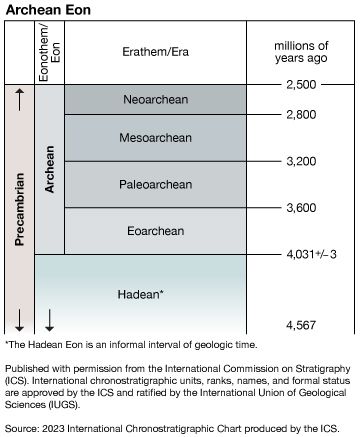
The Archean Eon (approximately 4 billion to 2.5 billion years ago) was a formative period that established the foundational architecture of Earth's…
What role did the Archean Eon play in shaping Earth’s current continents and oceans?
The Archean Eon (approximately 4 billion to 2.5 billion years ago) was a formative period that established the foundational architecture of Earth’s continental crust and oceans.
Crustal Growth and Tectonics
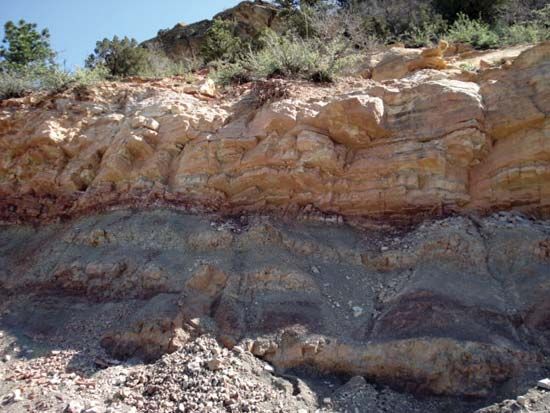
During the early and middle Archean, Earth experienced rapid tectonic processes driven by high internal heat production. This environment facilitated the formation of greenstone-granite belts—remnants of primitive oceanic crust and island arcs—and granulite-gneiss belts. While much of this early crust was recycled through rapid subduction, these processes laid the groundwork for future landmasses. By the late Archean (Neoarchean), the crust reached a state of maturity, stability, and rigidity, evidenced by the emergence of the first major rift valleys and large sedimentary basins.1
Development of the Oceans
Oceans existed early in the Archean, as confirmed by 3.85-billion-year-old marine sediments. During this eon, seawater composition was primarily regulated by the circulation of water through basaltic oceanic crust at spreading centers. Furthermore, biological activity—specifically the metabolic processes of early life—was essential; without these organisms, the loss of hydrogen to space might have prevented the long-term persistence of Earth’s oceans.23
What evidence do scientists use to study and understand the Archean Eon?
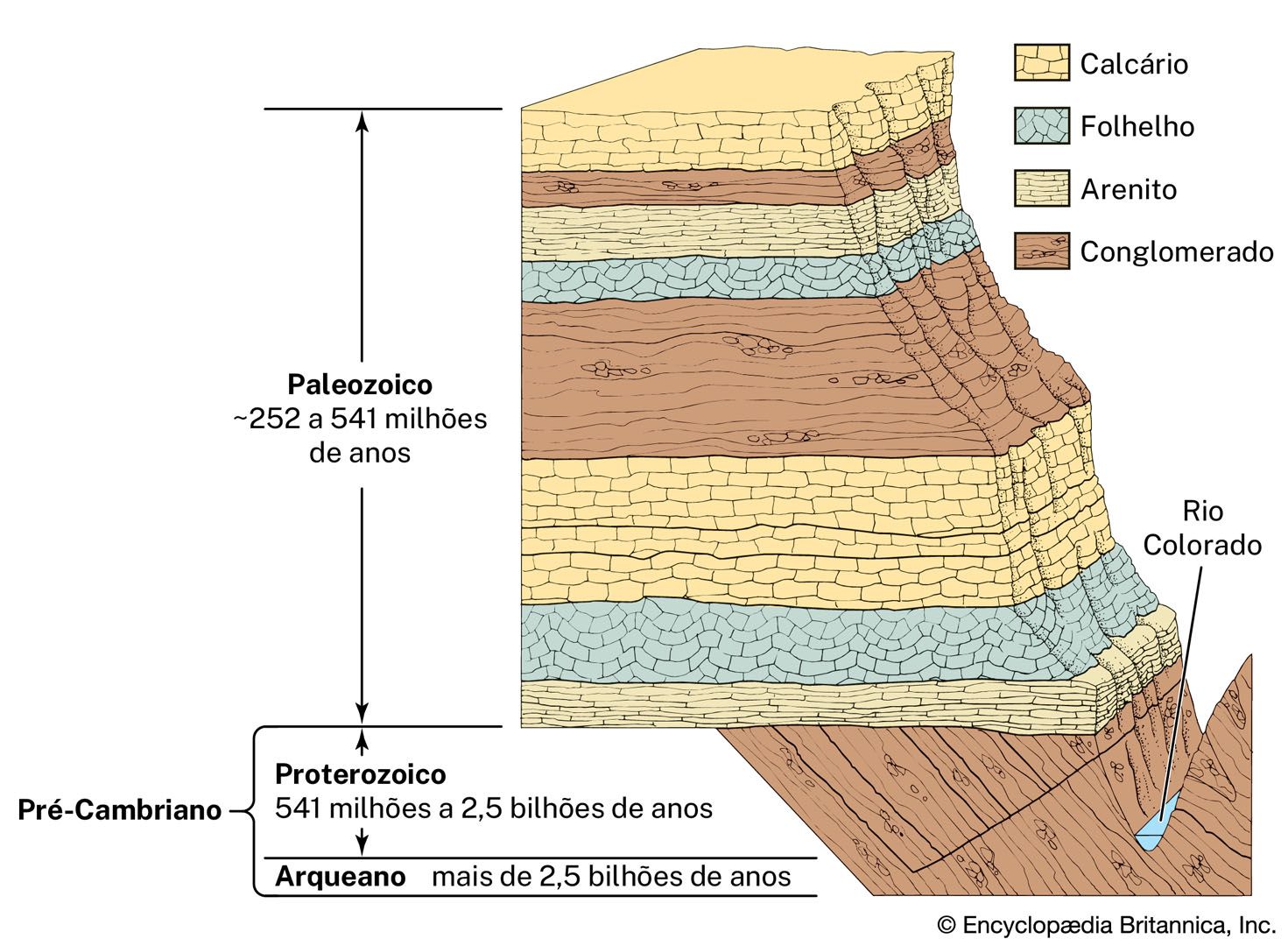
To study and understand the Archean Eon, scientists rely on a combination of geological, geochemical, and biological evidence preserved in ancient rock formations. Because this eon spans from approximately 4.6 billion to 2.5 billion years ago, researchers use sophisticated analytical techniques to interpret these remnants.
Geological and Geochemical Evidence
- Rock Formations: Scientists examine greenstone-granite belts and granulite-gneiss belts, which represent the oldest preserved crustal material. These rocks provide clues about early tectonic processes, such as primitive plate movement and volcanic activity.7
- Isotopic Dating: Isotopic age determinations are essential for establishing a timeline. Techniques like uranium-lead dating of zircon grains allow scientists to date the crystallization of igneous rocks and understand the history of the crust.8
- Analytical Advances: Modern tools, such as the sensitive high-resolution ion microprobe (SHRIMP) and laser ablation mass spectrometry, enable researchers to analyze tiny mineral grains with high precision, minimizing contamination.8
Biological Evidence
- Microfossils: Researchers study microfossils found in cherts and shales, which provide direct evidence of early life, including photosynthesizers and organisms that relied on methane cycling.19
- Stromatolites: These layered structures, formed by microbial mats, serve as evidence of complex biological communities existing as early as 3.5 billion years ago.19
- Chemical Signatures: Scientists analyze carbon isotope ratios in ancient sediments to identify organic origins, even when physical fossils are absent.1
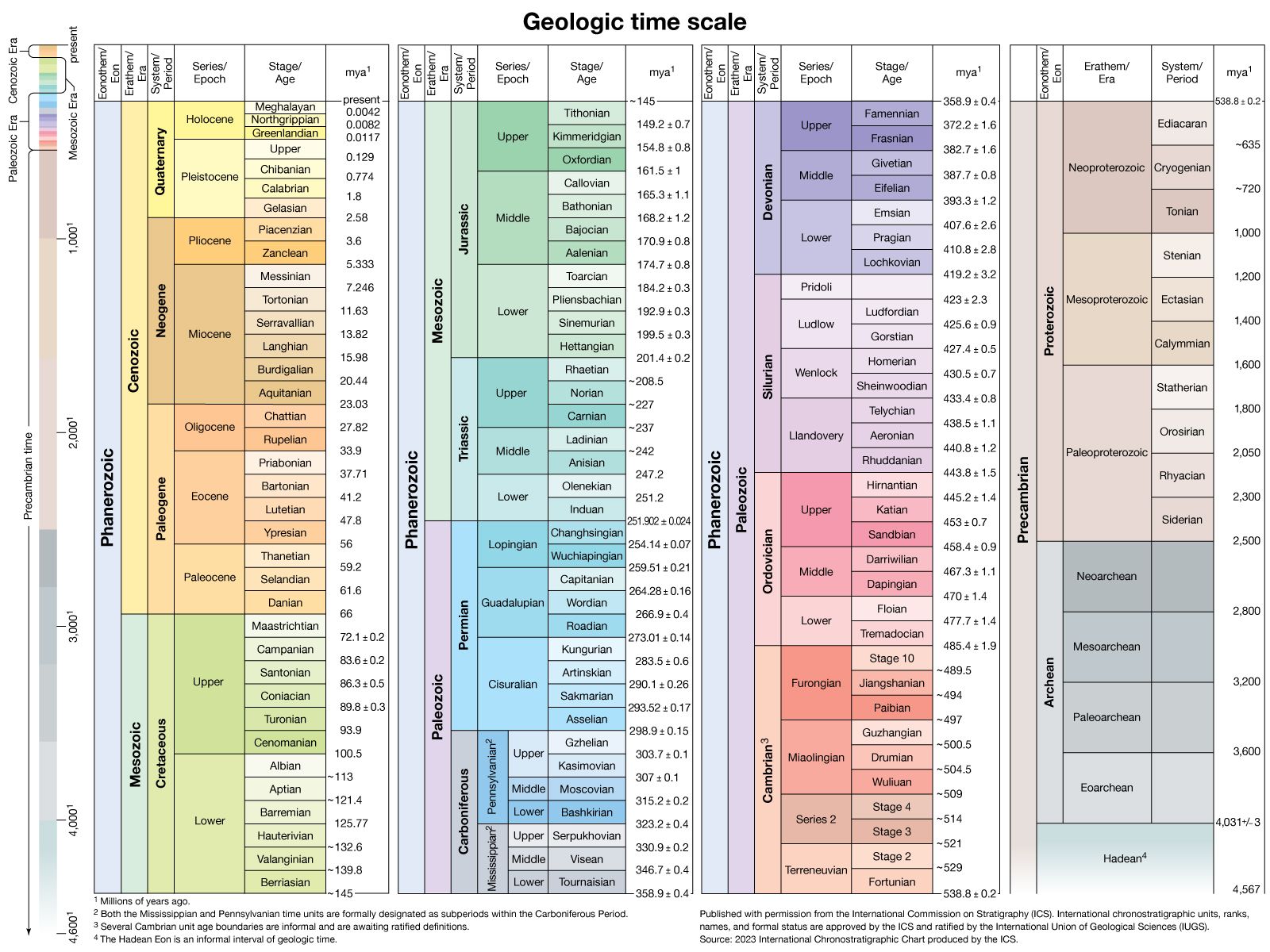
What were the major geological events that characterized the Archean Eon?
The Archean Eon (approximately 4.0 to 2.5 billion years ago) was defined by rapid tectonic activity and the initial formation of Earth’s crust. Key geological events included:
- Crustal Growth: The early Archean was characterized by the formation of greenstone-granite belts (metamorphosed oceanic crust and island arcs) and granulite-gneiss belts. High internal heat production drove rapid tectonic processes, including frequent subduction and the formation of numerous oceanic ridges and plateaus.1
- Neoarchean Stabilization: By the late Archean, the continental crust achieved significant maturity and rigidity. This era saw the development of the first major rift valleys, such as the Pongola Rift, and the formation of large sedimentary basins like the Witwatersrand.1
- Magmatic Activity: The period featured the intrusion of major basic dikes, such as the Great Dyke, and the creation of large stratiform layered igneous complexes like the Stillwater Complex.1
How did early life forms develop and evolve during the Archean Eon?
During the Archean Eon (4.0 to 2.5 billion years ago), life emerged and evolved within a harsh, oxygen-free environment. Early life forms were primarily prokaryotes—simple, single-celled organisms lacking membrane-enclosed organelles—that were well-adapted to the high levels of ultraviolet radiation present before the formation of the ozone layer.1610
Early Biological Development
- Metabolic Diversity: The earliest life forms included photosynthetic bacteria, methane-producing bacteria, and Archaea, which thrived in extreme environments Archaea, which thrived in extreme environments. Some early organisms relied on non-oxygenic metabolic processes, utilizing compounds like hydrogen sulfide rather than water.3107
- Stromatolites and Microfossils: By 3.5 billion years ago, complex biological communities were established. Stromatolites—layered structures formed by microbial mats—provide clear evidence of these early ecosystems. Microfossils found in ancient cherts reveal a diversity of filamentous and spherical organisms, some of which were early photosynthesizers.163
Transformation of the Environment
The evolution of cyanobacteria was a pivotal event, as these organisms began producing oxygen as a byproduct of photosynthesis producing oxygen as a byproduct of photosynthesis. Because oxygen was toxic to many existing anaerobic organisms, it was initially sequestered through the precipitation of iron formations in the oceans. By the end of the Archean, this biological activity had fundamentally transformed Earth’s atmosphere from a reducing, greenhouse-gas-rich environment to one increasingly dominated by oxygen, setting the stage for the later rise of eukaryotes and more complex life.1671710
Sources
- Precambrian - Archean crustal growth — Encyclopædia Britannica
- Precambrian - Development of the ocean — Encyclopædia Britannica
- Climate - The evolution of life and the atmosphere — Encyclopædia Britannica
- Phanerozoic Eon — Encyclopædia Britannica
- plate tectonics - Plate tectonics and the geologic past — Encyclopædia Britannica
- Precambrian - Proterozoic plate movements — Encyclopædia Britannica
- Precambrian - Precambrian life — Encyclopædia Britannica
- Precambrian - Greenstone-granite belts — Encyclopædia Britannica
- dating - Technical advances — Encyclopædia Britannica
- Precambrian - Microfossils and stromatolites — Encyclopædia Britannica
- Precambrian - Age and correlation of granulite-gneiss belts — Encyclopædia Britannica
- Precambrian - Age and occurrence of greenstone-granite belts — Encyclopædia Britannica
- Precambrian - Oxygenation of the atmosphere — Encyclopædia Britannica
- Precambrian - Climatic conditions — Encyclopædia Britannica
- Proterozoic Eon — Encyclopædia Britannica
- geologic history of Earth - Formation of the secondary atmosphere — Encyclopædia Britannica
- photosynthesis - Evolution of the process — Encyclopædia Britannica
Published on · 4 min read